
Check an Alibaba Supplier’s Company Registration
Find the registered company behind an Alibaba storefront using its business license, Chinese name and USCC, then match the lookup to the supplier’s documents.
Start with the Chinese legal name or USCC. Confirm the matching company before opening its profile.
To check the company behind an Alibaba supplier, start with its Chinese registered name and Unified Social Credit Code (USCC). Look up that identity in Mainland Chinese company records, then compare the result with the documents attached to the supplier’s storefront. Searching the English shop name alone can lead you to a similarly named company.
The useful result is a specific match: this storefront identifies this registered company. A company record by itself cannot establish who controls an Alibaba account. The following walkthrough shows how to connect the two without treating a familiar logo or a similar English name as proof.
Identify the company
Keep the link to the exact Alibaba.com storefront you are checking. In its company information, look for a business license or a supplier assessment report, where available. If you cannot find the registered identity, ask the supplier to provide its Chinese legal name, complete USCC and a readable business license. Ask whether that company operates the storefront and will be the seller on your quotation.
For a Verified Supplier, the assessment report can be a useful starting point. Alibaba’s program description says third-party assessments cover matters such as the business license, company ownership, facilities and production capabilities. Read the company identity and assessment date in the actual report. A badge alone does not tell you which entity a particular document describes, and an assessment is not a live company-register result.
On a Mainland business license, look for the company name beside 名称 and the code beside 统一社会信用代码. Copy those values from the original, checking any text extracted from an image against the visible characters. Do not mistake a report number, storefront address or Alibaba membership identifier for the company’s registration code.
The USCC has 18 characters and identifies one registered entity. It remains unchanged during that entity’s existence when details such as its representative or business scope change, as explained by the National Development and Reform Commission. That makes it more useful for matching records than an English trading name. A copied code still needs to be checked against the company it belongs to.
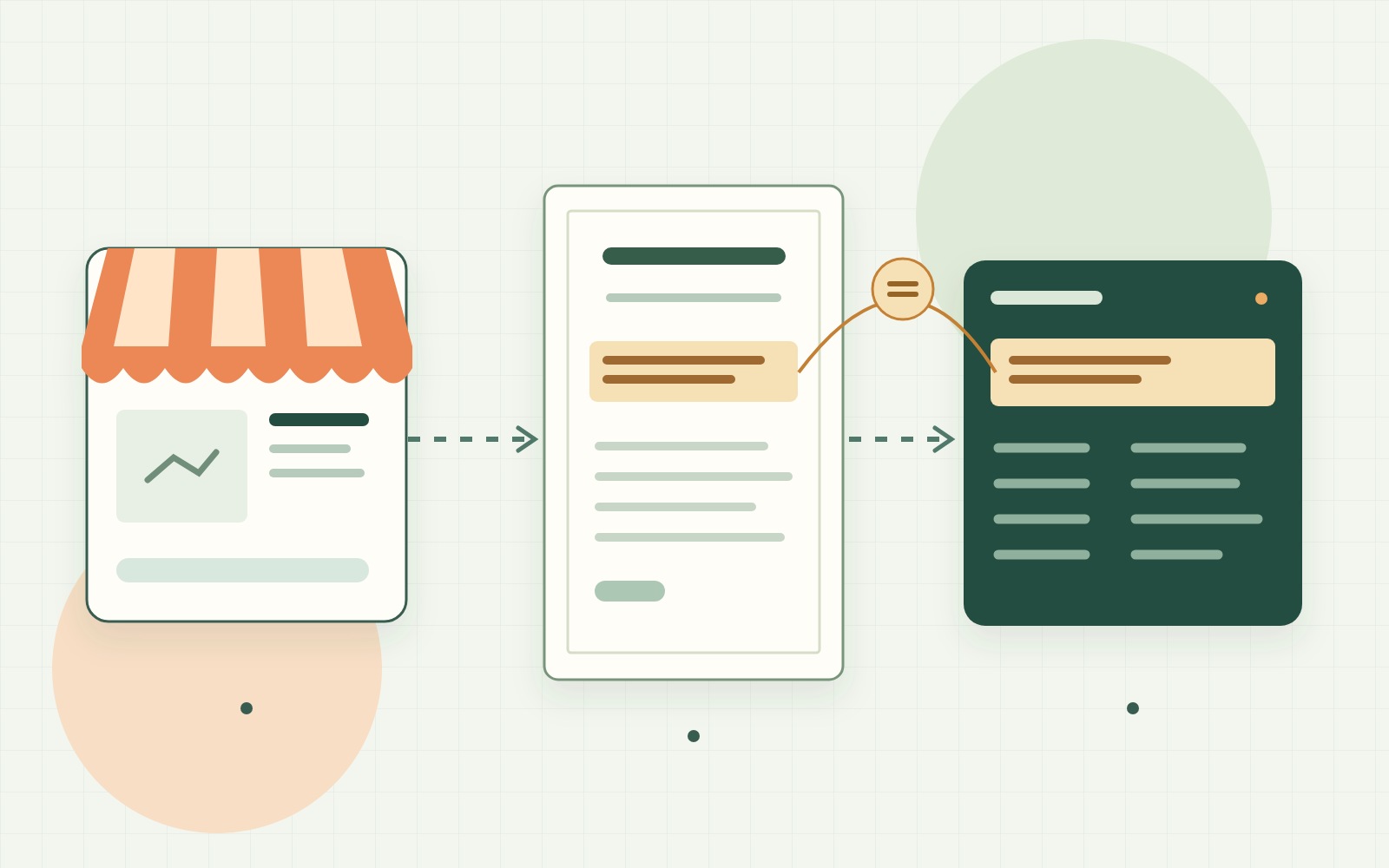
Run the registration search
You can use China’s National Enterprise Credit Information Publicity System to look for the registered entity. Our Chinese company registration search guide explains the official routes and their practical limitations. For a multilingual starting point, use ChinaValidate’s company search with the supplied company name or USCC, and inspect the information available for the returned company.
Do not paste an Alibaba shop URL into a company-name search or invent a Chinese translation of the supplier’s English brand. If you have only an English name, ask for the registered identity first; the English-name lookup guide explains how to handle incomplete clues.
When several candidates appear, compare the full Chinese name and complete code with the supplier’s document before opening a more detailed report. A similar name in the same city is not enough. If there is no convincing match, recheck the original characters and ask for a clearer or current document. An unsuccessful search leaves the identity unresolved; it does not, on its own, establish that the supplier is fraudulent.
Match the record to the documents
Imagine a fictional storefront called “Harbor Tools.” Its supplier assessment report names Company A, and the attached license gives Company A’s Chinese name and USCC. Your independent search returns Company A. That is a promising match, but the conclusion depends on which details actually agree.
| What you compare | What the fictional result shows | What to do with it |
|---|---|---|
| Chinese name and USCC | The license and company record show the same full name and code. | You have matched the document’s registered entity. Still confirm its connection to the storefront. |
| Company status | The lookup shows an active registration status. | Record the status and lookup date. This says something about registration, not product quality or delivery. |
| Establishment date | The company was established later than the storefront’s claim about years of experience. | Ask whether the experience belongs to the team or another business. Do not replace the company’s actual founding date with the marketing claim. |
| Registered address | The registered address differs from the factory location in the assessment. | Clarify which is the registered office and which is the production site. An address difference alone does not resolve that question. |
Keep the date and source of each result. A dated assessment, an older license image and a current company record can describe the same business at different times. Where a material detail differs, request the current document or explanation and check any available change history. Do not quietly choose whichever version looks more reassuring.
Now suppose the quotation names Company B instead. Your successful lookup of Company A does not verify Company B. Ask why a different company is selling the goods and obtain that company’s registered identity too. Even if both companies belong to one group, their records answer different questions. The guide to different supplier company names explains those distinctions.
Confirm the storefront connection
Send a focused request through the supplier conversation associated with the storefront: “Please confirm the Chinese registered name and USCC of the company operating this Alibaba storefront. Is it also the company issuing our quotation? Please provide its current business license and explain any different company named in the assessment report or quotation.”
The reply is a supplier statement, so compare it with the available storefront materials and independently retrieved registration information. Finding a real company does not authenticate every person using its name. If the materials cannot be connected consistently, keep the match unresolved instead of presenting the company record as proof of the account’s identity.
Save the storefront link, the identity document, the lookup date and the unresolved differences together. You should be able to explain which company you checked and why it is relevant to this supplier. For payment terms, platform protection and product evidence after that identity check, continue with the Alibaba supplier verification guide.