
Verify a Chinese Supplier on WeChat
Connect a WeChat contact to a mainland Chinese company, confirm the salesperson’s role and keep order changes tied to the right seller.
Start with the Chinese legal name or USCC. Confirm the matching company before opening its profile.
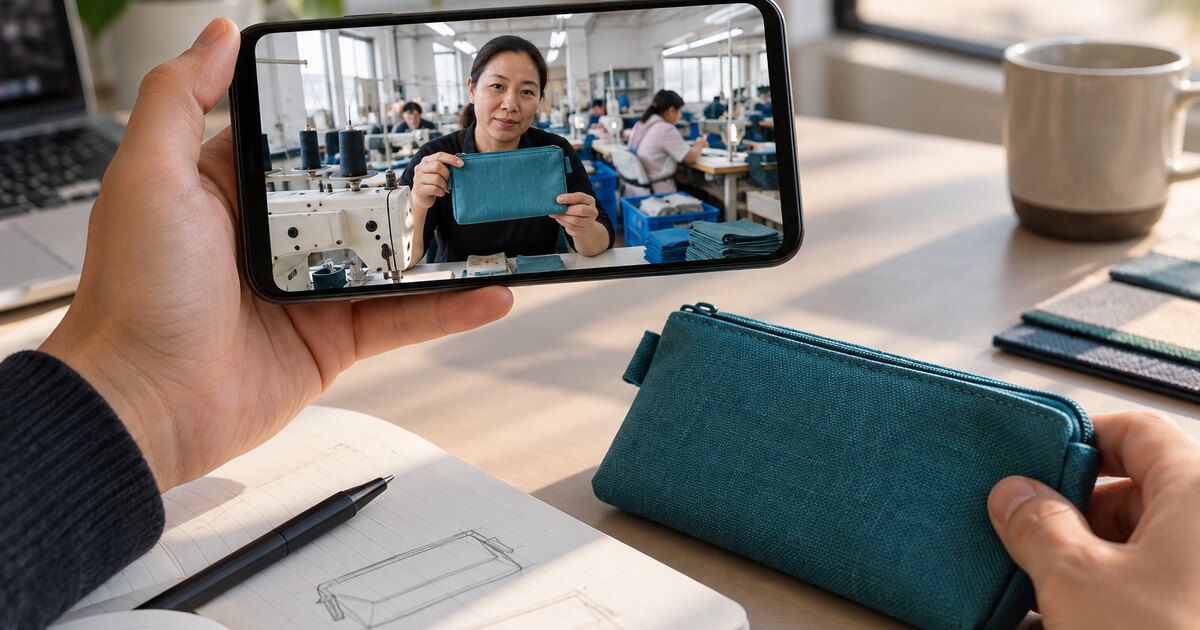
Your new supplier answers quickly on WeChat, sends product photos and offers to show the workshop on a video call. The conversation feels personal. You still need to establish which mainland Chinese company stands behind the offer, and whether this contact can speak for it.
Start with that connection. A WeChat nickname identifies an account in a conversation; it is not a company-registration search key. A business license identifies a registered entity; possession of its image does not prove the sender works there. The useful check connects the account, the person, the company and the particular order.
You can do this without turning a normal sourcing conversation into an interrogation. Ask for a small set of business details, compare them with an independent record and confirm the contact through a company channel obtained separately.
The account sets the starting point
First identify what you are looking at. A personal contact, a WeCom contact and a public account can all appear in a business relationship, but they give you different information. Do not assign all of them the same meaning because they appear inside a familiar messaging app.
Tencent describes Weixin and WeChat as separate, interoperable services, with Weixin intended for mainland China and WeChat for users elsewhere. The name seen by an overseas buyer therefore does not, by itself, identify the supplier’s registration jurisdiction.
| Contact type | Useful starting information | What still needs checking |
|---|---|---|
| Personal chat account | The account you actually contacted and the conversation it contains. | The registered seller and the person’s relationship to it. |
| WeCom contact | Any organization details displayed with the contact. | The full legal entity behind the displayed name and the person’s role in this order. |
| Official Account | The account’s published information and any operator details available in its profile. | Whether that operator is the proposed seller, a brand owner or another participant. |
WeCom is Tencent’s enterprise communication product. It supports communication between company staff and customers using Weixin. That makes it useful context for a business contact, but an organization label should still be connected to the full Chinese legal identity you are checking.
An Official Account is a publishing and service channel. Tencent describes subscription and service accounts and says individuals or organizations can publish through the product. The words “Official Account” alone are not a certificate that the account operator is your supplier.
Read the details available in your actual session. If a full operator name is shown, preserve it. If you see only a shortened display name, request the legal name. Account functions and visible fields can differ; a missing public field should lead to a specific request, not a guessed identity.
Ask for a business identity
Ask who will be named as the seller on the quotation and order. For a mainland company, obtain its full Chinese registered name and Unified Social Credit Code. Request a clear business-license copy as supporting material, and ask the contact to type the name and code so you can compare the text with the image.
Use the full name rather than translating an English brand back into Chinese. On the license, the name is labeled 名称, and the credit code is labeled 统一社会信用代码. The code has 18 characters; a WeChat ID, phone number or chat-group name is not a substitute.

A concise request is usually enough: “Please send the full Chinese registered name and credit code of the company selling this order, its business license, and your role at that company. Please also identify a company contact who can confirm the arrangement.” Adapt the wording to your relationship and retain the reply.
Ask about a trading company or agent openly. The person may sell on behalf of a manufacturer, work for a purchasing service or represent an exporter. Those are different commercial arrangements, not automatic evidence of dishonesty. The order should make the actual seller and responsibilities clear.
There is no need to ask for a salesperson’s private identity-card number to begin this company check. The relevant starting information is the business identity and the person’s role. A collection of personal documents would not resolve an unexplained difference between the seller on the quotation and the company on the license.
Confirm the company and the contact
Search the Chinese name or credit code in the National Enterprise Credit Information Publicity System or a company information service. Compare the result with the supplied license, including the name, code and current registration status. Keep the date of the lookup with the material you reviewed.
China’s market-entity registration rules describe the fields carried on a business license. They provide a basis for identifying the company. They do not provide a list of its salespeople or certify that a particular messaging account is authorized to negotiate with you.
Use ChinaValidate company search when you have the name or code. If your starting point is a document image, business-license verification can help you read and compare its company information. Check extracted text against the original, especially where the image is blurred or cropped.
Then confirm the person through a channel obtained independently of the new chat. That might be the established marketplace conversation where you first met the supplier, a previously verified company contact or a phone number you already know belongs to the business. Sending a question to a second number supplied by the same unconfirmed person is not an independent check.
- Identify the conversation. Give the company the contact’s name or account reference and the quotation you received.
- Confirm the role. Ask whether this person handles the proposed order and who approves changes to it.
- Resolve the entity. Confirm which company will sell the goods if the contact, brand and manufacturer use different names.
- Keep the response. Record who confirmed the relationship, the channel and the date.
For a new company website or email address, use the separate website and email verification guide. The point is to establish a reliable company channel, not to treat every website with a matching logo as independently verified.
Use photos and calls for specific checks
A workshop video can help you discuss the work proposed for your product. It should answer a specific operational question: where a seam is sewn, how a material is cut or how a finished item is checked. A quick sweep across machines is less useful when you do not know which operation matters.

For example, a buyer ordering fabric pouches can ask to see the proposed material beside the approved sample and discuss the zipper and seam finish. Keep the questions tied to the specification. The useful evidence concerns the process shown and the answers given, not how impressive the room looks.
Ask who operates the site and which tasks are subcontracted. If the seller is a trading company, a factory visit or call may involve a separate manufacturer. Record that relationship rather than assuming the business owns every building or machine it can show you.
A long history of product posts can provide conversation context, but copied images and old posts are possible. An empty feed is also not proof of a fake company: people use visibility settings differently. Avoid turning social activity into a registration or reliability score.
Where a product or order justifies an inspection, arrange the appropriate site or goods check separately. A call can help prepare that work. It cannot supply the same observations as an agreed inspection performed on the relevant site or shipment.
Keep changes attached to the order
Chat is convenient for discussing a sample, but important changes can disappear between photographs, voice messages and short replies. After an agreement, send a concise written recap identifying the product, specification, quantity, price basis and intended seller. Ask the responsible company contact to confirm it through the established order process.
Consider a fictional case. Alex sends a pouch quotation under one company name, then adds a colleague who asks the buyer to use another seller. The new colleague may be taking over a genuine order. The change still needs an explanation that names both companies and states which one is responsible for the sale.
Keep the earlier quotation instead of overwriting it. Ask the established company contact to confirm the new arrangement and obtain updated order documents from the responsible issuer. A message saying “same group” does not identify the contracting seller or explain the change.
A bank-detail change requires its own verification. The Australian Cyber Security Centre’s business-email-compromise guidance recommends independently verifying sensitive requests. Apply that checking principle to unexpected payment instructions received in chat, and use the bank-beneficiary guide for the company comparison.
Preserve original files and the relevant conversation context. A cropped screenshot of “yes” is hard to interpret without the proposal it answered. If a voice message changes an order term, ask for a written confirmation of that term rather than relying on a later recollection of the call.
Finish with a clear contact record
The outcome should be specific: this account is the channel used by this contact, the company confirmed this role, and this registered entity is the proposed seller. That is more useful than putting a general “verified on WeChat” label in the purchasing file.
If the company exists but the contact cannot be connected to it, keep that distinction visible. If the contact is confirmed but the seller changes, check the new entity and its role. Neither result cancels the work already done; it tells you exactly which connection remains unresolved.
For the initial company check, obtain the Chinese legal name and credit code, look up the mainland company, and keep the result beside the quotation and contact confirmation. You can continue the conversation with a documented business identity instead of relying on a nickname, a license image or a friendly call alone.