
1688 vs Taobao for Business Buyers
Compare 1688 and Taobao for trial stock, samples and repeat orders, then connect the shop, registered supplier and purchase documents.
Start with the Chinese legal name or USCC. Confirm the matching company before opening its profile.
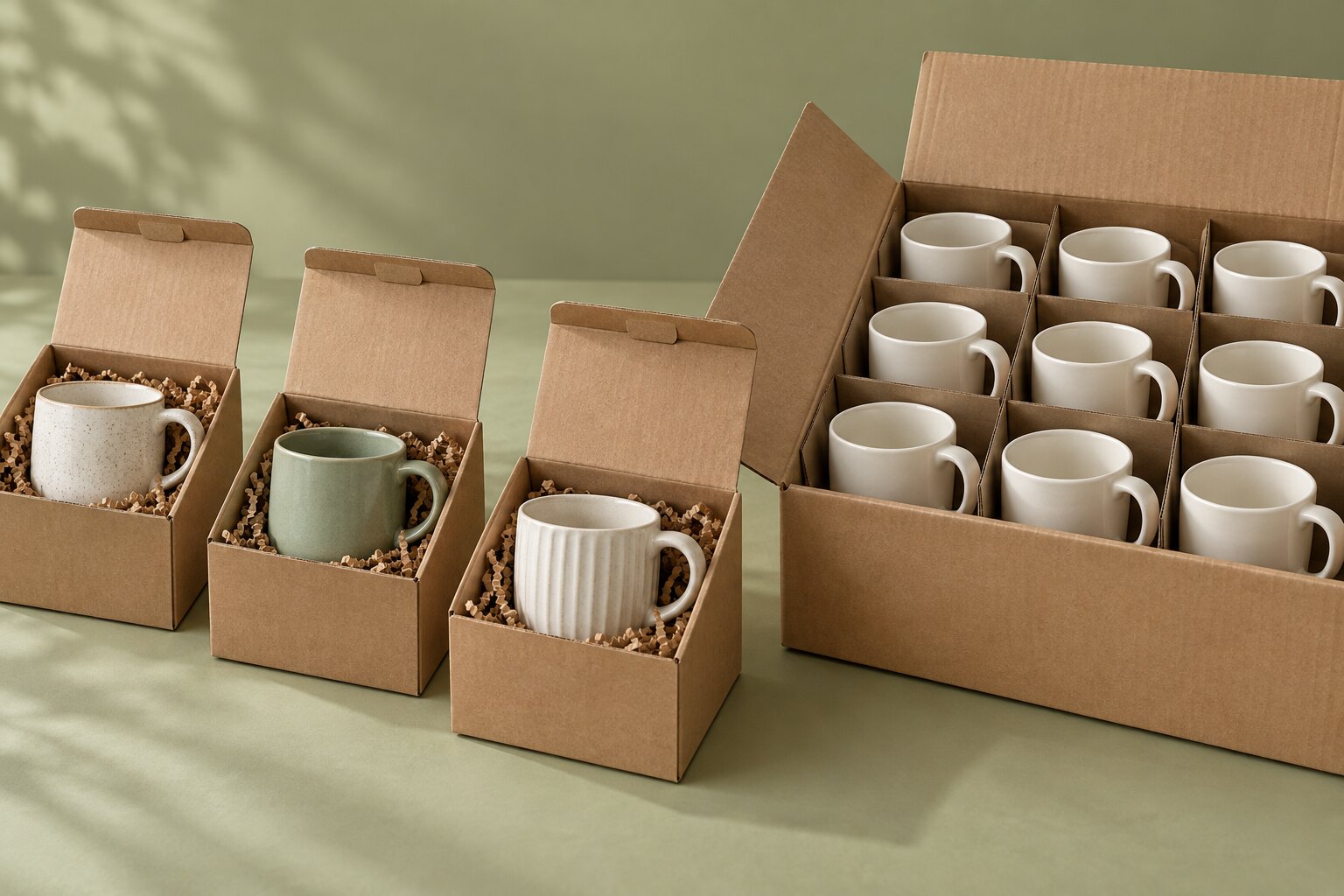
A small shop wants twelve ready-made cups to test customer interest. A month later, it wants two hundred and forty matching cups with repeatable packaging. Both orders could begin with a similar product photograph, but they need different evidence and different commitments from the seller.
For business buyers comparing 1688 and Taobao, that difference is more useful than a blanket claim that one platform is cheaper or safer. Start with the purchase you need to make, then identify the business behind the offer. This comparison concerns Mainland Chinese sellers and the supplier records needed for an overseas business purchase.
Choose around the order
Alibaba Group describes 1688 as a domestic wholesale marketplace that also serves procurement needs beyond traditional business buyers. It describes Taobao as a consumer retail platform, with access to several shopping channels through its app. These are useful starting points, not guarantees about every seller or listing.
| Your purchasing task | Useful starting point | Evidence to request |
|---|---|---|
| A few finished items for a trial assortment | Retail listings, including suitable Taobao offers | Exact variant, available stock, dispatch commitment and seller identity |
| Repeated orders of the same product | Wholesale offers on 1688 or another supplier able to commit | Stable specifications, reorder terms, batch availability and responsible business |
| Your own packaging or product changes | A seller that actually offers the required customization | Written specification, approved sample, production responsibility and acceptance terms |
| A recognizable branded product | An appropriately authorized sales channel | Product authenticity and relevant resale or distribution rights, separate from company registration |
Do not treat the table as an exclusive allocation. A Taobao seller may support a larger order; a 1688 offer may accept a small quantity. Ask about the specific variant and order. The listing's minimum quantity, available services and agreement matter more than a rule inferred from the platform name.
WorldFirst's 1688 and Taobao comparison highlights wholesale versus retail purchasing as a common buyer question. Payment, delivery and protection arrangements still need checking for your account, destination and transaction. Avoid building a procurement plan around absolute statements that all overseas buyers require an agent or that one platform has no usable safeguards.
The first assortment
Consider a fictional homeware retailer choosing twelve cups in several colors. Its immediate goal is to learn which designs customers like, not to establish a custom production line. A listing for finished stock may suit that task if the seller can confirm the selected variants and dispatch them as agreed.
Save the product page, selected variant and order details. Similar photographs can hide different sizes, materials or quantities per pack. Confirm whether the displayed price refers to one item, a set or a particular quantity tier. A cheap price for an unwanted variant is not a useful comparison.
At this stage, ask focused questions. Confirm what is physically available, whether the shipment can contain the chosen mix, and what happens if one color is unavailable. If substitutions are unacceptable, say so in the order record. A general “same quality” message leaves too much room for a different product to arrive.
Record the shop's identity before the purchase becomes part of your supplier database. A store name can be a brand or a trading label rather than the registered seller's legal name. Save the disclosed operator information and the order reference together. That connection becomes valuable when a colleague handles a return, invoice request or reorder later.
A successful retail trial establishes only what the trial actually demonstrated: particular goods arrived under particular conditions. It does not prove that the seller made them, can reproduce them continuously or can supply your next order on the same terms. Treat customer interest and supplier capability as separate findings.
The repeat order
Now the retailer wants 240 cups of one design, supplied in batches. The task has changed. Before choosing a wholesale offer, describe the product in terms another person can check: material, dimensions, usable capacity, finish, color reference, packing arrangement and acceptable variations. Include any destination-specific product requirements that apply.
Suppose the target cup is described as 350 ml. Ask how that capacity is measured rather than assuming two sellers use the same method. A brim-full capacity and an intended serving capacity can describe different quantities. An image match cannot resolve that ambiguity, and a familiar model name may not identify an unchanged specification.
Request a sample under the proposed bulk specification, not merely a retail item that looks similar. Keep the approved sample or a documented reference, record the version and connect it to the order. Agree how a difference between sample and shipment will be assessed. The words “same as sample” are less useful when nobody can establish which sample was approved.

Ask who will supply the goods and who will make them if manufacturing is involved. A trading company can be a legitimate supplier; its role needs to be clear. A store calling itself a factory does not establish that it owns the site or equipment shown. Match claims to evidence instead of treating a marketplace category as a factory inspection.
Reorder terms deserve their own short record. Confirm whether the same product will remain available, how changes will be communicated, what lead time applies and how partial shipments are handled. If the seller changes the maker or material, decide whether a new sample is required before proceeding. The original purchase should not silently authorize future substitutions.
The business behind the shop
China's Measures for the Supervision and Administration of Online Transactions, as amended in 2025, distinguish platform operators from businesses selling through them. They provide for disclosure of seller information and recognize specified registration exemptions. Do not use Alibaba Group's corporate registration as evidence for an unrelated shop, or assume every personal seller must be a limited company.
For a registered Mainland business, obtain the Chinese legal name and Unified Social Credit Code from its disclosed information or license. Compare those details with a company record. The useful outcome is identifying the contracting business and understanding its registration, not merely finding an English name that resembles the store label.
If the shop operator, quotation issuer and proposed supplier differ, ask for their roles in the transaction. There may be a trading, agency or group-company arrangement, but a shared brand does not explain it by itself. Keep a written explanation and the relevant documents. Do not merge separate entities in your vendor system to remove an inconvenient mismatch.
Our 1688 supplier check and Taobao and Tmall seller guide cover the platform-specific identity work. Use them when collecting the source information. The purchasing decision here is whether that identified seller can support the order you actually intend to place.
Keep paperwork tied to the purchase
A platform order, a Chinese tax invoice and an overseas commercial invoice can describe different parts of a transaction. Decide which documents your business needs and who will issue them before the order is finalized. Do not assume a retail receipt automatically satisfies company accounting, or that the supplier will replace the buyer's identity after delivery.
If an intermediary buys in its own name and resells to you, its purchase from the shop and its sale to your business are separate transactions. If it acts as your purchasing agent, establish that arrangement instead. A warehouse delivery address does not by itself determine the legal buyer or the issuer of your invoice.
Keep the goods, service fees and shipping charges understandable in the documents. Ask for the exact buyer name, seller name, descriptions and totals relevant to each transaction. Our 1688 invoice guide for overseas buyers explains the document roles in more detail. The aim is a coherent purchase file, not a collection of unrelated PDFs bearing the word “invoice.”
Registration matching and invoice verification answer different questions. A company can exist while a particular invoice fails to match your order. A genuine invoice does not establish that future goods will meet the approved sample. Use each check for its proper purpose and retain the transaction evidence that connects them.
A practical comparison file
Compare offers against the same purchase brief. For the trial assortment, that brief may be the exact finished items and dispatch date. For repeat procurement, it should include the agreed specification, sampling arrangement, delivery commitments and documents. Without a shared brief, a lower quote may simply omit something another seller included.
- Identify the seller. Record the shop link, Chinese legal name and available registration identifier.
- Define the goods. Preserve the exact variant or approved specification, including packaging.
- Confirm the commitment. Record quantity, availability, timing and any permitted substitutions.
- Assign the paperwork. Identify the buyer, issuer and document needed for each transaction.
- Set the next decision. Decide what must be confirmed before moving from a small order to repeat purchasing.
Include the date of the comparison. Listings, stock and terms can change, so a saved quotation should not become an unlimited promise. When an order is placed, attach the accepted terms rather than relying on an old chat summary. When the order changes, record the revised agreement so the warehouse and accounts team follow the same version.
For the fictional retailer, Taobao may be a useful place to assemble the first assortment, while a suitable 1688 supplier may offer a clearer route to repeat batches. Either outcome depends on the actual seller and offer. There is no need to force both tasks onto one platform if doing so weakens the evidence or the supply commitment.
Use ChinaValidate company search or business-license verification once you have the Mainland seller's identity. Use invoice verification when a supported Chinese invoice is available. These tools help connect business records and documents; product compliance, account control and delivery performance need their own evidence.