
Digital vs Paper Invoices in China
Compare Chinese electronic and paper invoices, distinguish originals from scans and printouts, and retain the right evidence for verification and purchase records.
Start with the Chinese legal name or USCC. Confirm the matching company before opening its profile.
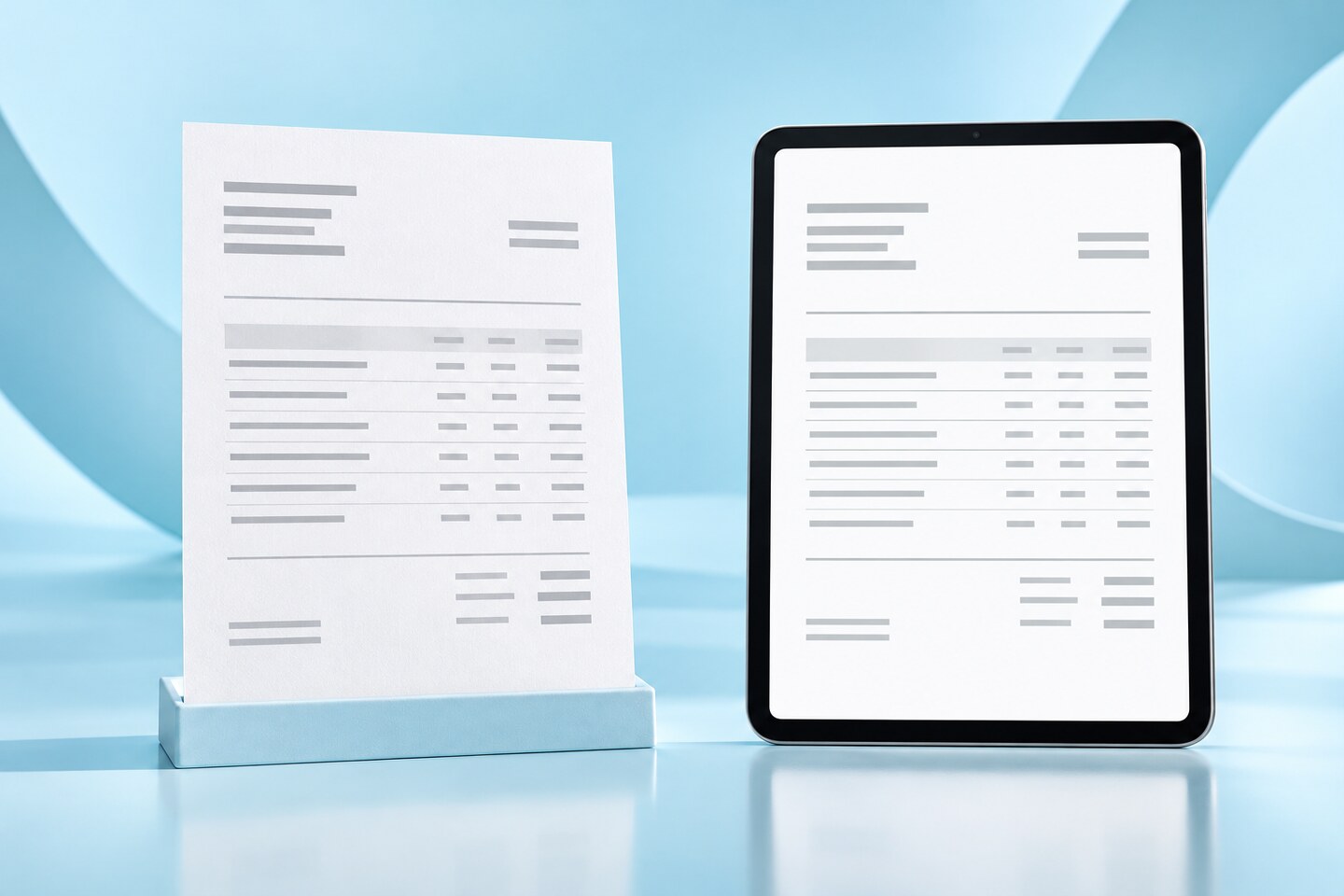
One supplier hands over a paper invoice with a stamp. Another emails an electronic invoice that looks simpler and has no familiar red seal. Your team is comfortable with the first and suspicious of the second. The difference in appearance deserves explanation, but it is not a reliable ranking of which document is genuine.
Mainland China recognizes paper and electronic invoices. Fully digitalized invoices are a form of electronic invoice, and a printed electronic invoice does not become a separately issued paper invoice. For buyers, the task is to identify the document, retain the appropriate original evidence and check the information that matters.
Two different distinctions
Keep the invoice's medium separate from its tax category. “Paper” and “electronic” describe form. “Ordinary” and “special VAT” identify categories with different purposes and rules. An electronic invoice can belong to either category; choosing paper does not automatically make it a special VAT invoice.
| Question | Examples | Decision it helps with |
|---|---|---|
| How does the invoice exist? | Paper original or electronic data | What evidence to retain and how to handle it |
| Which invoice category is it? | Ordinary or special VAT invoice | Which document rules and verification route apply |
| What copy did you receive? | Original electronic file, paper original, scan or printout | Whether another source file or copy is needed |
The 2024 announcement on fully digitalized invoices gives those invoices the same legal effect as paper invoices and describes their digital existence, categories and fields. That legal position does not mean every PDF is a fapiao or that every image resembling an invoice is authentic.
If your main question is ordinary versus special VAT invoices, use our invoice-category comparison. Here the focus is accepting and handling the different forms without losing the evidence that was issued.
The original may be electronic
When an invoice originates electronically, the issued electronic file is not merely an informal preview waiting for a “real” paper version. Ask the issuer for the available original electronic document and keep it unchanged. A readable viewing copy can help colleagues, but it should remain distinguishable from the source.
As a practical issuer example, AWS China's digitalized fapiao guide describes electronic delivery and tells customers to retain the electronic form even if they print it. Its own format choices and paper-switch policy apply to that issuer; they should not be presented as identical arrangements at every Chinese business.
A supplier's email attachment can be an electronic original, a scan of paper or a converted copy. The filename alone does not settle that question. If origin matters and is unclear, ask how the document was obtained and request the issued file rather than a photograph pasted into a PDF.
Keep an annotation or translation separate. Replacing Chinese names with English, adding a stamp graphic or editing a buyer field changes the copy you are holding. It does not create a corrected invoice. The issuer must address actual errors through the process applicable to that document.
A printout is a representation
A printed electronic invoice can be useful for a paper approval folder or an in-person discussion. Printing changes the medium you are viewing, not the underlying invoice identity. If the number, parties and transaction are the same, the paper printout and electronic file should normally be connected in your records rather than treated as separate purchases.
Do not request a new invoice merely because one colleague wants paper and another wants a file. First establish whether printing the issued electronic document meets the practical need. If a different document is genuinely required, ask the issuer how that request can be handled without creating an unexplained duplicate.
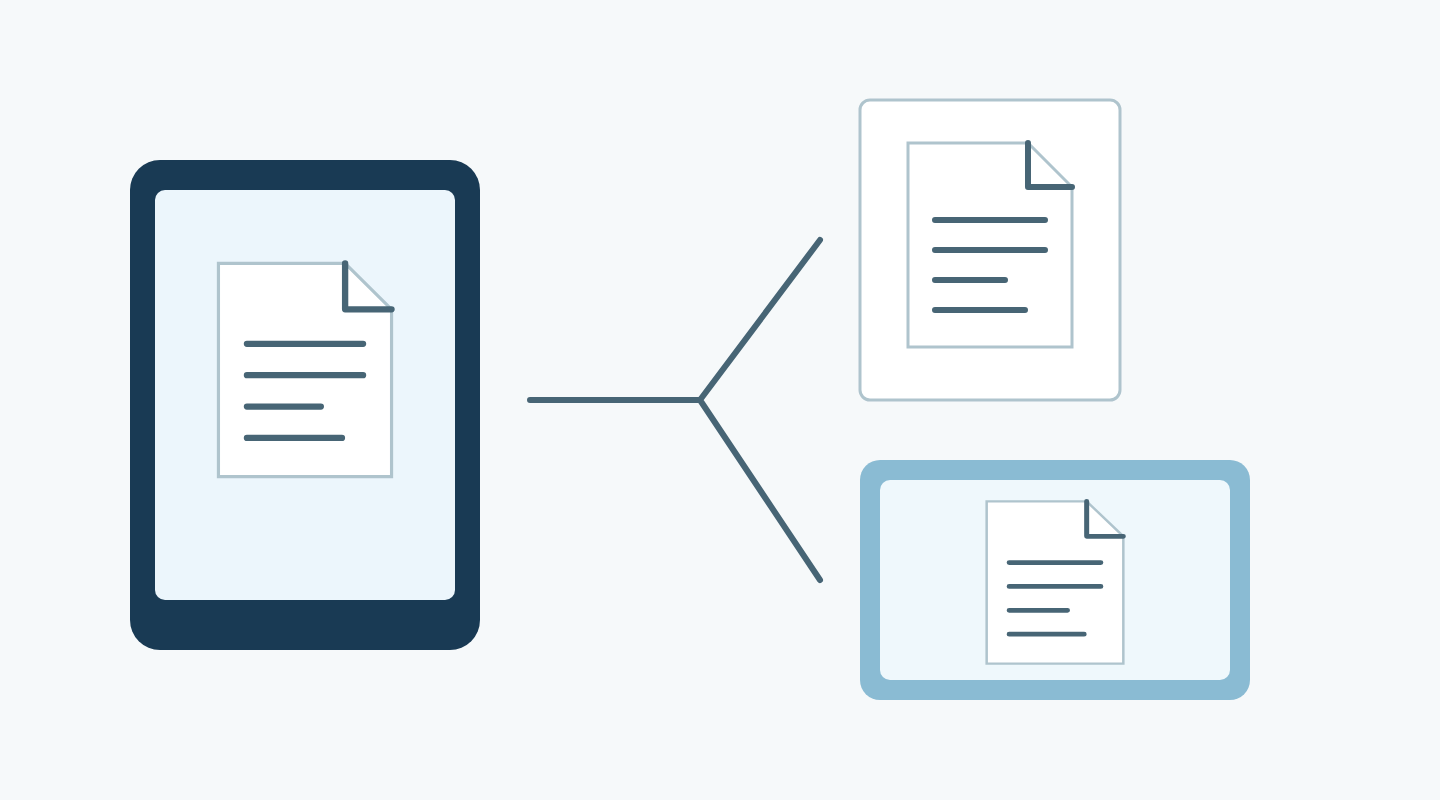
The same logic works in the other direction. A scan of a paper invoice is a digital image of the paper document; it is not automatically an electronic invoice issued through the tax system. Keep the paper source where your process requires it and label the scan accurately.
A cropped phone photograph may be enough to discuss a field but can omit identifiers or annotations. Ask for a complete image or the proper source document before relying on it. Do not infer authenticity from the resolution, paper color or apparent quality of the printer.
Appearance follows the format
Older paper layouts and newer digital layouts can differ in fields, numbering and seals. A fully digitalized invoice uses a 20-digit invoice number under the national announcement. Other invoice formats may show a separate code and number. Read the document type before deciding that an absent field proves a defect.
The absence of a familiar red stamp is not a universal reason to reject an electronic invoice. Nor does a visible stamp authenticate a paper invoice. The applicable format and current rules matter. Our unstamped electronic-invoice guide explains that issue in more detail.
A QR code is also not a universal authenticity symbol. It can lead to a download, request form, payment page or other destination. Identify what it does before entering business information or assuming the invoice has already been checked. Use a known verification route rather than trusting the visual presence of a code.
Do not ask a supplier to add familiar-looking features that the actual format does not require. A fabricated seal, invented invoice code or altered title makes the evidence less reliable. Request an explanation of the format or a suitable verification result instead of redesigning the invoice to match an old template.
Verify the information, not the texture
First identify the type and issuing system, then use the fields required by the relevant verification route. The national invoice-verification instructions distinguish the applicable inputs. Whether your current copy is on paper or on a screen is not enough to select the correct combination.
Compare returned details with the invoice received. Check the seller, purchaser, identifier, date, items and amounts. A successful result for a similar-looking invoice does not establish that your copy is unchanged. A genuine invoice for another order does not substantiate this purchase.
If a file will not open, treat that first as a viewing problem. Request a supported readable export of the same invoice or use an approved compatible reader. Our PDF, OFD and XML guide addresses those file-handling details. Renaming a file extension or taking another screenshot does not verify its content.
If the public service returns no record or a technical error, preserve that outcome accurately. Do not describe the invoice as verified merely because the seller prefers electronic billing, and do not declare it false merely because the website failed. Resolve the specific input, coverage or service issue.
Keep evidence suited to its origin
For organizations subject to China's accounting rules, the 2020 electronic-accounting-voucher notice is relevant. It sets conditions for electronic-only reimbursement, bookkeeping and archiving, and requires retaining the corresponding electronic voucher when a paper printout is used for those purposes.
That is not an instruction that every foreign business must install one Chinese accounting application. Overseas teams should follow their own applicable accounting and retention requirements while preserving the issued evidence. Keeping the original electronic file and an understandable link to the order usually makes later review easier than keeping only a printout.
Store the source, readable copies and any translation under one invoice identity. Label their roles. A useful file can include the original attachment, a viewing PDF, the verification outcome and the order reference without presenting each as a new charge.
Access should reflect the information involved. Invoice files can include purchaser identifiers and commercially sensitive transactions. Share them through the company's approved channels, and avoid uploading them to an unfamiliar conversion site merely because a colleague cannot open one format.
Handle changes without losing history
If the issuer resends the same electronic invoice, compare the identifier before creating another record. A different filename or delivery date does not necessarily mean a new invoice. Likewise, printing the file again should not produce a second expense claim in your records.
A correction needs its own explanation. Preserve the relationship between an original invoice, any red-letter adjustment and a replacement. Do not silently overwrite the older file and leave colleagues unable to understand why totals or buyer details changed.
If a paper document is lost or an electronic file is unavailable, ask the issuer which replacement or copy process applies. Do not recreate a document from memory. A typed summary can help describe the missing item, but it should not be presented as the issued invoice.
- Identify the invoice category and the form in which it was issued.
- Distinguish originals from printouts, scans and working copies.
- Check the required invoice information through the appropriate route.
- Retain source evidence and connect all representations to one identity.
- Keep corrections and replacement explanations with the purchase.
Use ChinaValidate invoice verification for the invoice types and input methods the tool supports. Use company search when the invoicing business needs separate identification. Neither the paper medium nor the electronic medium replaces those checks.
A good acceptance process can handle both forms without favoring appearances. It asks what was issued, what the file says, whether it matches the recorded invoice and whether it belongs to the actual purchase. That approach remains useful even as layouts and delivery methods change.