
Verify a DHgate Seller
Connect a DHgate storefront to its Mainland Chinese business, compare the seller’s documents and keep the right identity with your order.
Start with the Chinese legal name or USCC. Confirm the matching company before opening its profile.
You find a promising DHgate shop, order a sample and consider buying a larger quantity. The product page gives you a store name and customer reviews. Your finance colleague asks for the business behind the purchase. Those are different pieces of information, and a successful sample order does not automatically connect them.
For a seller operating through a Mainland Chinese business, start with the shop’s disclosed business information or request its Chinese registered name and Unified Social Credit Code, usually shortened to USCC. Match that identity to a current registration record, then connect the same business to your quotation and order. Keep product quality, brand authorization and payment arrangements as separate checks.
This approach is particularly useful for repeat purchasing, wholesale orders and supplier onboarding. It does not require treating every low-value consumer purchase as a factory audit. It gives you a repeatable way to answer the practical question your purchasing file needs to settle: which business is responsible for this sale.
Keep the store and business separate
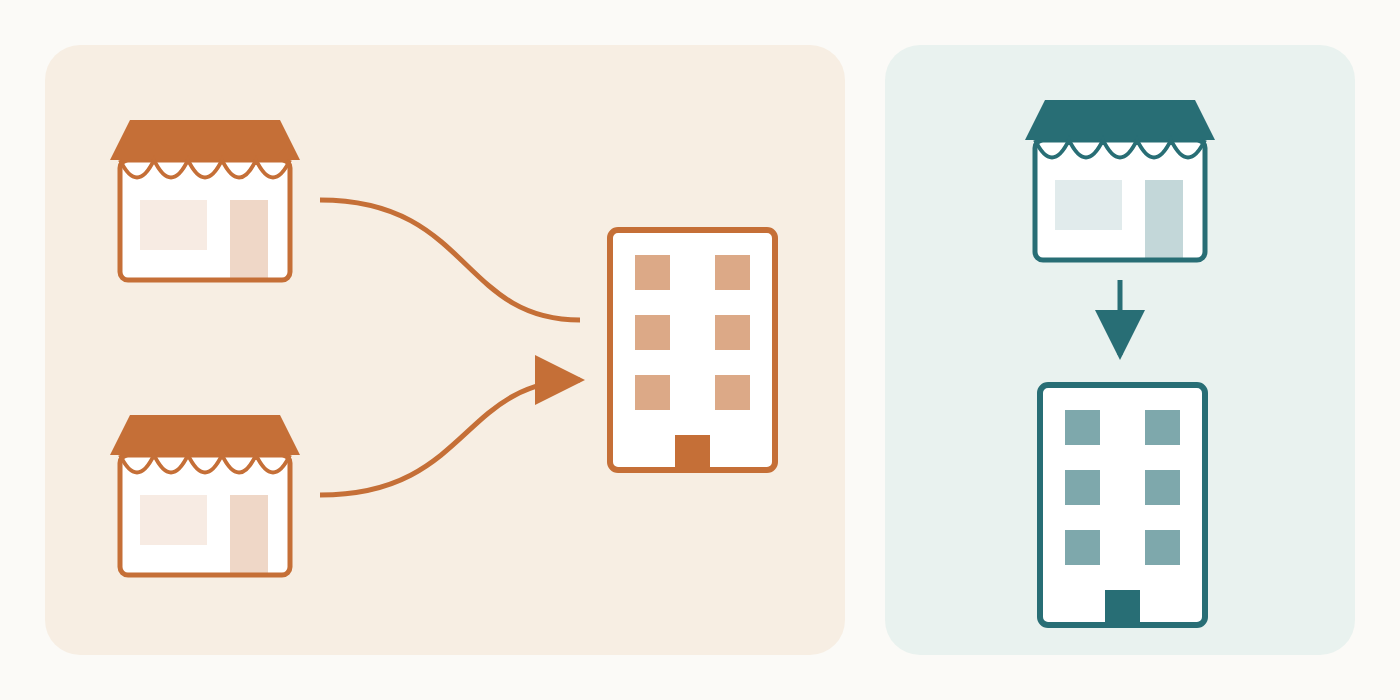
A storefront can use a memorable English name that is not the name registered with a Chinese market regulator. Several shops may also be operated by one business. Conversely, similar product photographs and store names do not establish common ownership. Record the shop URL and seller identifier before searching for a legal company.
DHgate’s buyer help center directs product questions to the seller and describes contacting the merchant from the item or order information. Use the contact route attached to your actual listing or order. Interface labels can differ between the app and website, so anchor your record to the seller and order rather than to a remembered button position.
| Record | Useful evidence | What it cannot establish alone |
|---|---|---|
| DHgate shop | Store URL, seller identifier, listing and messages | The registered legal entity or factory owner |
| Business registration | Chinese name, USCC, status and registered address | Product quality or a salesperson’s authority |
| Specific order | Agreed item, quantity, price, seller and delivery terms | Brand authorization or all destination-market requirements |
A marketplace rating belongs in the shop record. A registry result belongs in the business record. Keeping both is useful; copying a rating into the company identity field is not. The distinction also makes a later seller change easier to notice.
Ask for a usable identity
Look for disclosed operator or business information in the shop and account views available to you. If the legal name is absent or cannot be copied reliably, ask through the platform message thread. Request the Chinese registered name, USCC, business-license copy and confirmation that this entity operates the store and will sell the ordered goods.
A short request works better than a long questionnaire at this stage: “Please send the Chinese registered name and USCC of the business operating this shop, a readable business-license copy, and the legal name that will appear on our invoice. Please confirm whether the invoice issuer and shop operator are the same entity.” Keep the reply with the listing and proposed order.
China’s E-commerce Law distinguishes platform operators from merchants. Article 15 addresses disclosure of business-license information or the relevant registration-exemption information. Article 10 includes exceptions to registration for specified activities. Therefore, a missing company number is a reason to clarify the operator’s status, not enough by itself to declare the seller fraudulent.
Ask which category applies if the seller says it is an individual operator. Do not create a company name from a person’s name or assign a random company found through a similar address. Where your own procurement rules require a registered business, explain that requirement and leave the supplier unapproved until the necessary information is supplied.
Match the registration record
Search using the complete Chinese legal name or USCC. For Mainland companies, the National Enterprise Credit Information Publicity System is the official registration-information starting point. Our company registration search guide explains the relevant fields and labels. If you begin with only an English trading name, first obtain the Chinese identity instead of accepting the closest-looking search result.
- Match the identifier. Compare every character of the USCC against the license and company record. Treat the complete code as text so leading characters and letters are preserved.
- Match the legal name. Keep the original Chinese name beside any English translation. An English brand or abbreviation is not a replacement for it.
- Read the current status. Record the status shown and the date checked. Registration is an identity fact, not a prediction of future delivery.
- Compare the address and business type. Note whether a different address is an office, warehouse or claimed production location. Do not silently substitute one for another.
If you have a readable license photo, business-license verification can help compare its details with company information. A match supports the document-to-company connection. It does not establish that the person sending the file owns the shop, controls the bank account or has authority to accept your contract.
Keep disagreements specific. “License name differs from the company result” is useful. “Supplier looks suspicious” is much harder for a colleague to reproduce. A former name, an unreadable character or a newly changed record needs a targeted explanation and updated evidence, not a guessed correction in your spreadsheet.
Follow the business into the order
Once you identify the operator, compare it with the seller named in the quotation, invoice and any separate supply agreement. The same sales contact may work with a trading company, factory and exporter. Those relationships can be legitimate, but a shared contact does not make the companies interchangeable.
Ask who is responsible for replacement goods, refunds and product complaints. If another company will invoice you, request its Chinese legal name and USCC plus an explanation of its role in the transaction. Keep the documents that actually assign those responsibilities. A message saying “same boss” does not tell your finance team which business it is paying.
For example, consider a hypothetical shop selling kitchen utensils. Its registration belongs to a trading business, while the test report names a manufacturer. This can be a normal sourcing arrangement. The next task is to connect the manufacturer, tested product and supplied model, rather than to insist that the trader must own a factory.
The same example becomes a different problem if the quotation names an unrelated business and the seller cannot explain why. Pause that order’s approval and ask for corrected or supporting documents. Do not solve the discrepancy by editing the invoice yourself or replacing the supplier’s legal name with the shop’s English display name.
Check the product separately
A correctly identified business can still supply an unsuitable product. Reviews may describe another size, model or batch; a certificate may apply to a different manufacturer or item. The sample you received is evidence about that sample, not a guarantee that the later shipment will match it.
For branded goods, ask for the evidence relevant to the claimed right to sell those goods. A registered company, product photograph or store rating does not establish authorization from the brand owner. For regulated products, identify the destination market and exact model before deciding which declarations, reports or certifications are relevant.
Record the model, material, dimensions, packaging and required markings in the order. Where practical, retain dated photographs of the agreed sample and explain how bulk goods will be compared with it. Avoid an order description that says only “same as picture” when the listing offers several variants.

These checks also explain why a seller-verification result should have a narrow description. “The disclosed Mainland business was matched to its registration” is a defensible identity finding. “Everything sold by this shop is authentic and compliant” requires evidence that a registration search cannot provide.
Keep communication tied to the purchase
Save important confirmations in the platform thread associated with the seller and order. If a discussion moves to email or messaging, carry the agreed specifications and parties back into the order record where possible. Keep the original messages; a handwritten summary can omit an important condition or correction.
Review the payment and dispute terms displayed for the actual checkout you will use. Do not assume that paying someone who claims to represent the shop creates the same platform protections as the marketplace order. For any changed payee or payment route, confirm the business and reason independently before transferring money.
Be equally careful with payment-verification messages. A request to confirm your card or account is a separate issue from verifying the supplier’s business. Use the platform’s own support route to resolve it; sending identity documents to an unfamiliar contact does not strengthen your supplier check.
For a small trial order, your evidence file can stay compact. When moving to a repeat or larger order, revisit the legal seller, current registration, product specification and payment arrangement. Reuse unchanged evidence, but do not assume a new invoice issuer or new product is covered by the earlier review.
Leave a clear purchasing record
Finish with a short record that another colleague can use: store link, Chinese legal name, USCC, registration-check date, invoice issuer, exact product and any unresolved mismatch. Attach the license or disclosure, lookup result and seller’s written explanation. Preserve the source files rather than only a translated summary.
Give each finding a practical outcome. A matched identity can move forward to the remaining product and order checks. An explainable mismatch needs the missing document. An unidentified seller remains unidentified; a screenshot full of favorable reviews does not fill the blank.
Use ChinaValidate company search to investigate the Mainland business the seller identifies. Bring the resulting legal name and identifier back to your DHgate order. The useful result is a traceable connection between the shop you chose, the business you checked and the purchase you actually intend to make.