
Chinese Fapiao Line Items
Read the category abbreviation, item description and other fields on a Chinese fapiao line, then reconcile the wording with the actual goods or services.
Start with the Chinese legal name or USCC. Confirm the matching company before opening its profile.

If a line on a Chinese fapiao starts with words between asterisks, read past the second asterisk. The words between the stars usually give the tax-classification abbreviation. The text that follows identifies the billed item or service. Compare that wording, together with any model, unit and quantity shown, to the goods or services in the actual transaction.
This is a useful place to start when the invoice uses Chinese category terms and your order uses an English product name or an internal SKU. An authentic invoice can still require a line-item reconciliation before your finance team knows what it covers. Save the original and use a separate working copy to record the match.
The words between the stars
Look in the invoice's item column. On a fully digital Chinese invoice, the basic face fields include 项目名称, the item name, followed by fields such as model or specification, unit, quantity, unit price, amount and tax. On some earlier forms you may see a heading for goods or taxable labor and services. The State Taxation Administration's national digital invoice announcement lists the basic fields on a fully digital invoice.
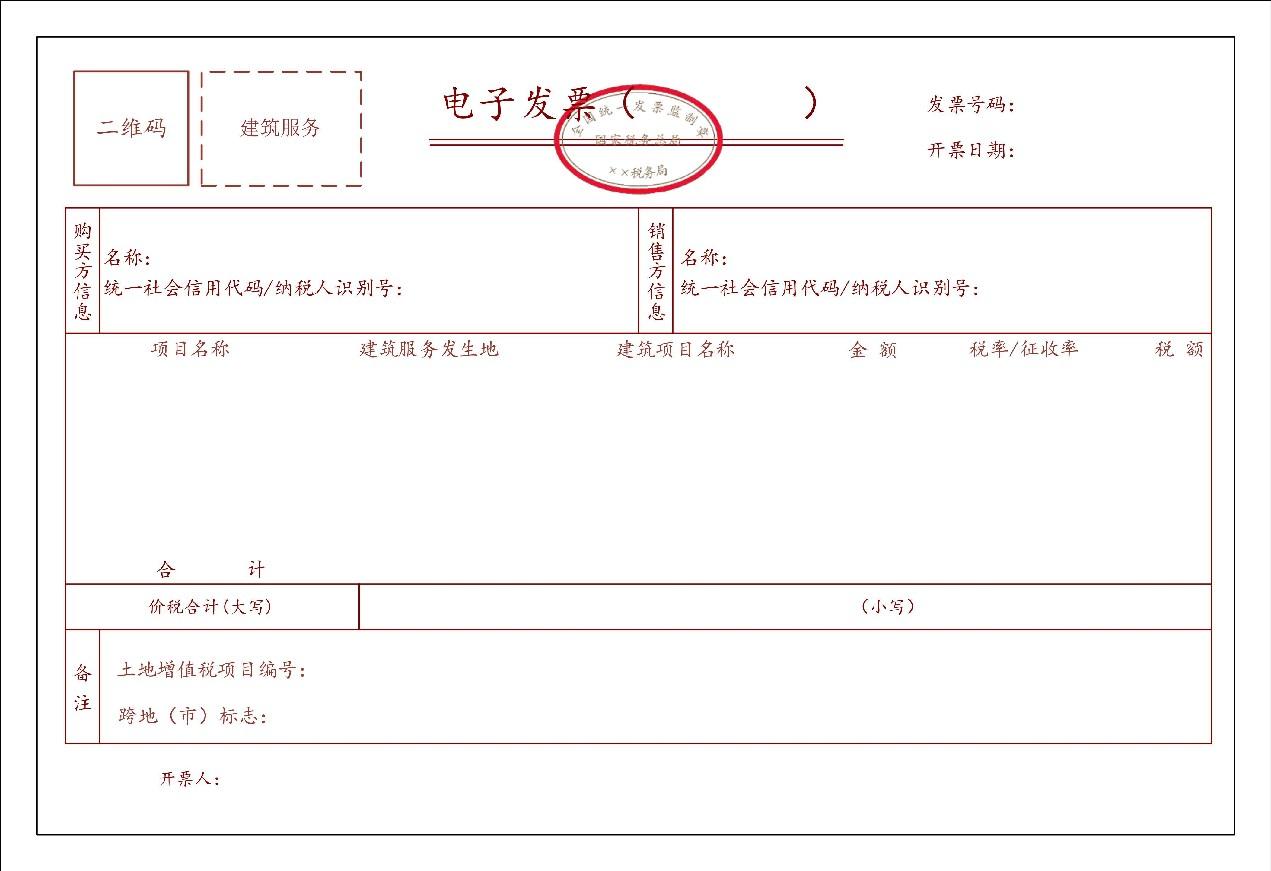
A prefix between asterisks is the short name corresponding to the tax classification used for that line. The issuer selects a classification for the actual item in the invoicing system. Qingdao's tax authority explains how issuers choose the goods and services tax classification code and abbreviation and can assign it in the electronic invoicing platform. An invoice description can therefore contain category information and item-specific wording in the same cell.
In an illustrative stationery example, *文具*钢笔 can be read as a category abbreviation for stationery followed by the item name for a fountain pen. You would match the item and any model or unit to the order. The category alone could fit other kinds of stationery. The Chinese label supplies a starting point for review, while the supplier's item description and supporting documents narrow down the actual product.
Do not read the shortened classification as a customs HS code or a stock identifier. For a shipment, use classification and product documentation appropriate to the customs task. For inventory, map the description to the model or SKU in the order and delivery records. Store these as separate fields if all three appear in your accounting or procurement system. This keeps a familiar product family from looking like a unique SKU match.
Read the row in context
| Part of the row | What it contributes | What to match |
|---|---|---|
| Tax-classification abbreviation | The brief tax category label for the issuer’s selection. | Whether it is plausible for the actual supply. Refer a material classification question to the issuer’s tax team. |
| Item name | The Chinese description of the goods or services billed. | The product or service in the order, contract or accepted work statement. |
| Model or specification | Detail distinguishing variants when present. | The model, material, dimensions or relevant reference in the product records. |
| Unit and quantity | The invoiced count or basis when provided. | The shipment or period covered, using the same unit or a documented conversion. |
| Amount and tax fields | The financial detail for this row. | The expected price basis and the line total, keeping tax-exclusive amount and tax separate. |
Read across one row before moving to the next. A long description may wrap within its cell. A blurry screenshot can make the second line look like another invoiced entry, or move a unit visually beneath the wrong product. Open the original electronic file or a full readable scan. For a large invoice, request the full item details and preserve the connection between those details and the invoice number.
Quantity and units are particularly helpful when the text only identifies a product family. A purchase order may count individual pieces while a packing list uses cartons. Ask for the pack size and compare the number of pieces after conversion. If all the figures agree only once you assume a packing convention, write down the conversion and where it was confirmed. This proof is easier for later reviewers to use than a handwritten checkmark beside the row.
Services can require a different reference. For a fee that covers a period or milestone, compare the service described and the relevant contract or acceptance record. A short service line may leave the period, milestone or underlying job to supporting documentation. Ask for the link between the invoice and the work accepted. A service line with a broadly worded label and no model may be intelligible once the supplier points to the exact contract line.
Three common reconciliation cases
A shorter Chinese name
A purchase order describes a product using a long English name, a particular finish and a buyer-assigned part number. The invoice gives a short Chinese name and the supplier’s model. First check the description and model against the supplier’s quote or order acknowledgement. If that mapping exists, save the exact Chinese phrase and the two item references. If the supplier uses the same model label across two variants, look at the additional specification and the shipment records before accepting a match.
Useful working notes keep the two names next to the same reference. A translation can help the reviewer see that the description fits. If the relevant finish, variant or specification is still unverified, ask the supplier to identify it in the linked order or delivery records. The result should make clear why these differently worded records describe the same physical item.
One line for a set
Consider an illustrative order for a kit delivered as complete sets. The packing list identifies several components. The fapiao gives one row for the set. Compare the term used on the invoice and the invoiced number of sets with the contract. Then check that the packing list explains the contents per set. A single line can be consistent with one bundled supply when the source records support that interpretation.
If the actual sale included separately priced goods and a separate service, find out how each charge was invoiced. Ask the supplier to reconcile each line with the accepted supply. A set may include packaging or fitted components, while a separate processing or freight fee may have its own contract basis. Ask for the correspondence when the detail affects your acceptance of the invoice. Avoid requiring a particular tax classification on the strength of your internal purchasing description alone.
A service on a goods order
Suppose the order concerns manufactured goods and the invoice shows processing or consulting wording. Before asking the supplier to change it, determine what that entity supplied. The party issuing the invoice could have performed a separate service under the contract. Or the line could describe a different invoice issued under the same project. Match the issuer to the agreement and request the record that explains which activity was paid for.
If the supplier confirms that the description is mistaken, ask its billing team to handle the official correction and send the complete replacement records. The State Taxation Administration's rules on VAT invoice issuance require the seller to describe the actual sale truthfully. Give the supplier the original invoice reference and the evidence of the agreed and delivered supply. A newly edited PDF or a translation made to match your order leaves the official record unchanged.
Repeated labels across multiple rows
You may see the same words between the stars on several consecutive rows. On an office supplies order, a shared category can cover items that serve different purposes or are sold in different units. Make a separate match for each row. Copy the item phrase after the stars, then add the model and unit, if printed, before recording the order reference. Grouping by the category alone will make it difficult to show where a particular item was billed.
Compare the specific quantities and units next. Imagine that your supplier billed two versions of an item. The model distinguishes them in the order, while the invoice uses one general description for both. If the related source records trace the quantities to each variant, retain the mapping. If there is no reliable mapping, ask the issuer to identify which row corresponds to each delivered product. A concise request can name the invoice, the two descriptions and the related supplier quote.
For a recurring service, the same item name on successive invoices can simply reflect a repeated monthly charge. Check the service dates or milestone in the remarks or linked records, then compare that period with what was accepted. Where remarks are short, an invoice reference on the delivery or acceptance document can close the loop. When comparing monthly entries, use the billed period to determine whether a charge is related to already recorded work.
Discounts and adjustments
A row with a negative amount can affect how you compare the original price with what was billed. Identify which goods or services the adjustment relates to and whether it is shown within the invoice or on a separate linked document. Ask for the calculation or order amendment when the connection is unclear. If the supplier sends a separate correction document, preserve its relationship to the original invoice and confirm which records finance should consider together.
Review unit price and quantity alongside any recorded discount. A quantity can remain the same while a rebate reduces the amount charged. A short delivery can change the quantity or result in a separate adjustment. Save the delivery record or commercial agreement that explains the actual event. Where a question turns on tax or accounting treatment, give your finance or tax adviser the original files and the documented transaction facts rather than a reconstructed line from a spreadsheet.
Also distinguish a quote written tax-inclusive from the amount and tax printed on the invoice. If the same numerical line appears different in two files, check the basis of the comparison before moving to the next item. The line, the related discount where applicable and the invoice total should be explainable from the underlying documents. For a fuller check of the entire document, see matching a Chinese invoice to a purchase order.
A line-item check your team can reuse
Capture the original Chinese line, any model, quantity and unit, the order reference and the evidence linking the two. A separate column for the reason is useful when one description covers several SKUs or when a service is billed against a milestone. Keep the working translation beside the original. If an invoice has multiple pages, include the line or page number so another reviewer can find the same entry quickly.
For example, an internal note might record that an abbreviated Chinese item name matches a model on the order acknowledgement and that the carton amount reconciles to the accepted delivery. Another note might say that a charge described as a service is awaiting evidence linking it to the relevant contract. A good note identifies the reason for the match, or names the evidence that would complete it. That is more useful than marking the whole invoice “checked” while one item still needs an explanation.
Use China invoice verification for the invoice authenticity and status check supported by that tool. Then retain the reconciliation evidence for the actual line items your team is paying or recording. When both checks are complete, your file answers two practical questions: whether you verified the invoice and what part of the transaction each billed line represents.