
Match a Chinese Invoice to a Purchase Order
Compare a Chinese fapiao with your purchase order and receiving record. Work through common differences in items, quantity, VAT and issuer.
Start with the Chinese legal name or USCC. Confirm the matching company before opening its profile.
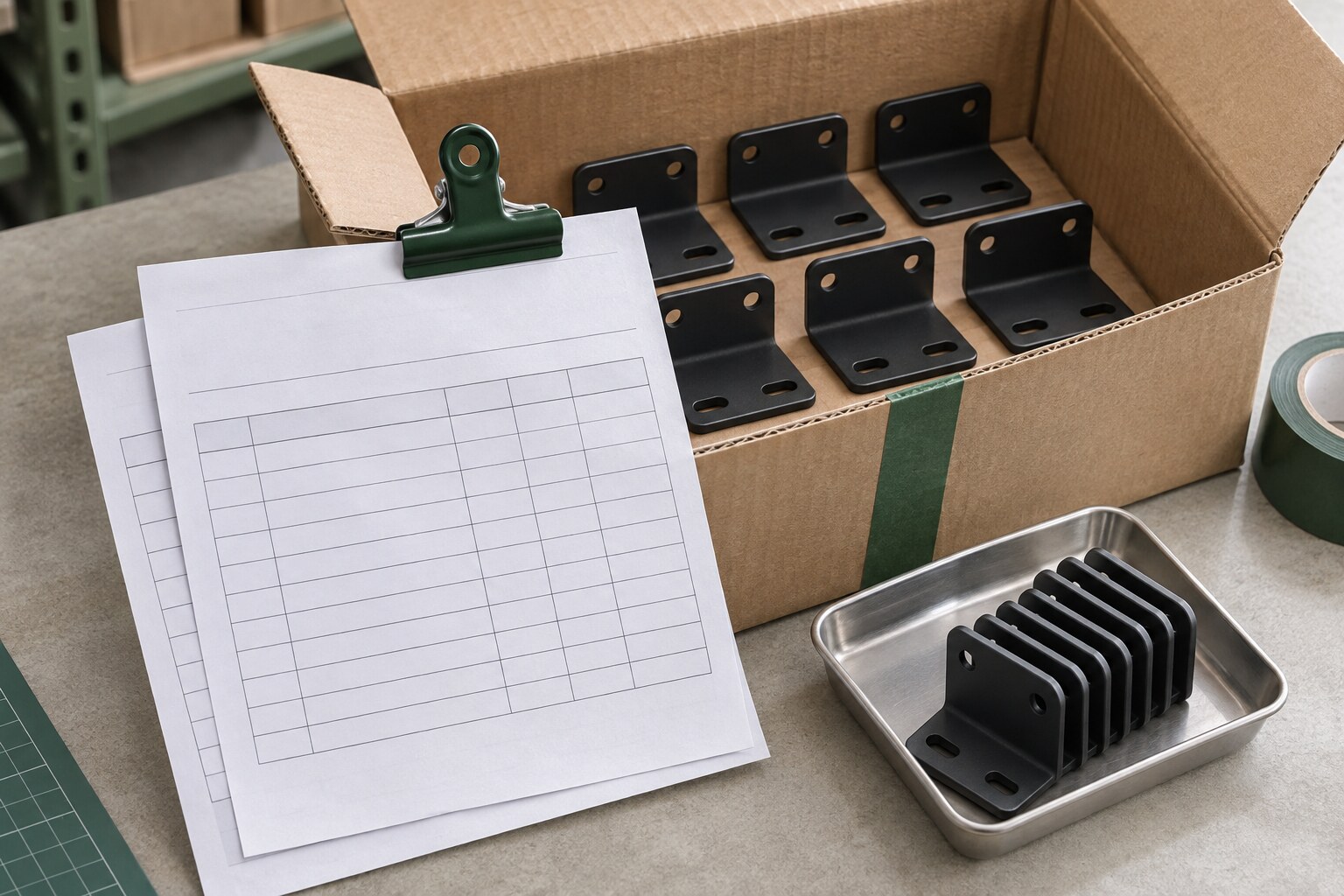
A Chinese supplier sends a fapiao for 100 mounting brackets. The purchase order is for 100, but your warehouse has booked only 60. The invoice appears in the tax authority’s verification system. Your accounts team still has a question: is this bill meant to cover the first delivery or the whole order?
Put the invoice, the current purchase order and the receiving record side by side. A successful invoice lookup helps confirm the document against the tax record. The purchase order tells you what was agreed, and the receiving record tells you what arrived. Use all three to explain the difference before you close the match.
One order, two deliveries
Take a simple example. A buyer orders 100 identical brackets at RMB 20 each before tax. The supplier ships 60 first and plans to send the remaining 40 later. For this example, assume a 13% VAT rate. The order terms, item prices and rate are illustrative. Start with what the parties actually agreed and the figures on the supplied invoice.
| Record | Quantity | Before VAT | VAT included |
|---|---|---|---|
| Approved purchase order | 100 | RMB 2,000 | RMB 2,260 |
| Goods received so far | 60 | RMB 1,200 at the agreed price | RMB 1,356 on the same basis |
| Fapiao received | 100 | RMB 2,000 | RMB 2,260 |
| Goods still expected | 40 | RMB 800 at the agreed price | RMB 904 on the same basis |
The invoice matches the order total. It does not match the quantity received so far. The next check is the contract or purchase order’s billing term. If the parties agreed to bill the full order before the second delivery, record the 40 units as outstanding and keep that receipt open. If billing was tied to each accepted delivery, ask the supplier which quantity the invoice was intended to cover and what document should follow. Do not infer the answer from the tax lookup's success message.
This is a three-way match: an invoice line, the purchase order line and a receipt can each tell you something different. A procurement system may call the difference an exception even when the supplier can explain it. The human task is to identify which document or agreed condition resolves that exception. Oracle invoice line matching documentation
Start with the right purchase order
Use the last approved order revision. It is easy to compare against the 100 units you originally ordered even if the buyer later added a finish, accepted a substitute model or changed the quantity. Keep the change approval with the order, especially if the supplier priced the change separately. If the updated quantity only appears in an email, check who approved it before treating it as the commitment in your purchasing system.
Check the document type as well. A fapiao is a Chinese tax invoice. A supplier’s commercial invoice may be part of a different billing or shipping record. Where the purchase order expects both documents, note which one you received, which entity issued it, and the amount or shipment it represents. Record the reference connecting the two if the supplier provides one. Similar words in English file names are a poor substitute for that connection.
Fields to compare
- Buyer and seller
- Compare the seller’s Chinese legal name and tax identifier with the entity approved on the order. Compare the buyer fields with the agreed invoicing details. A familiar trading name, short name or account manager does not establish legal identity. If a different company or branch issued the fapiao, ask the supplier to explain its role before you book it to the original vendor. Check the Chinese company record
- Item and model
- Match the invoice description to the ordered item or SKU. The tax invoice may use a generic category while your order names a particular model. Use the detailed invoice lines, attachment or packing record to connect the description to the items received. If several models share the same description, ask the supplier to show the breakdown.
- Quantity and unit
- Read the unit with the number. 10 cartons containing 10 pieces each could be the 100 pieces on the order. Confirm the pack size from a packing list or receiving record. Check rejected, returned or still-in-transit items separately. A shipment notice says the supplier dispatched goods. A receipt records what your team or warehouse accepted.
- Price and tax basis
- Compare like with like. The amount before VAT is generally shown in the amount column, 金额, with tax in 税额 and the tax-inclusive total under 价税合计. If the purchase order’s unit price already includes VAT, compare totals on that basis. Check whether freight, discounts or other charges are agreed separately. Keep the agreed exchange-rate basis on file when the documents use different currencies.
- Reference and date
- Use the purchase order number, shipment reference or an agreed cross-reference to connect the transaction records. An invoice issue date, a shipment date and a receiving date represent different events. Compare the dates only after you know which event each one records.
Invoice detail and sales lists
If a paper special VAT invoice summarizes several items, check whether it is accompanied by a sales list. The tax authority’s special-invoice rules describe the sales list used with summary special invoices. Ask for the list belonging to this invoice and match the issuer, invoice reference where present, descriptions, units, quantities and totals. The supplier’s own spreadsheet can explain how items map to your order. Treat it as supporting information, and obtain the invoice’s sales list when that is the document you need. Tax authority rules for special VAT invoices
Get the full original electronic file when the supplier gives you a preview or only the first page of a digital invoice. China’s digital fapiao shows transaction details in the invoice file itself. Jiangsu’s tax bureau explains that a separate sales list is unnecessary when the digital invoice includes the item-level detail. Open all pages and compare the rows with the order before deciding that a detail list is missing. Jiangsu tax authority guidance on digital invoice detail
The check is especially useful when one document summarizes a product family and the warehouse records several model numbers. Ask for a mapping that your team can follow. For example, if the supplier says the invoice’s single bracket line covers both left-hand and right-hand versions, ask which receipt or packing line establishes the quantity of each. Keep that explanation with the document set.
Mismatches that need different replies
The order and invoice agree
When the receipt is short, check timing and units first. In the example, one shipment remains open. Ask for the schedule for the remaining 40 units and find out whether your agreed terms permit billing the whole order before they arrive. You may be able to record the invoice while leaving the remainder open, or your process may require the supplier to invoice the received portion. If the warehouse found damaged items, check the receiving and quality records for what it accepted and what it sent back.
The receipt and invoice agree
If both show a quantity or price that differs from the approved order, look for a buyer-approved change. Where someone agreed to a substitute or revised pack size, confirm the details and attach the approval to the purchase record. Where the supplier delivered extra units without approval, ask the buyer to decide whether to accept them and how to record them. Receiving extras does not by itself update the purchase order.
The total agrees
Matching totals can hide a line mismatch. A lower quantity at a higher unit price can produce the same total. So can an added fee offset by a discount elsewhere. If the supplier explains a difference as rounding, compare the currency, tax basis and rounding at line or total level before closing it. Check the affected lines individually, even when the amount due comes out to the same figure.
The invoice names another entity
Confirm whether the difference is a translation, an outdated name, a branch or another company. Ask for the issuer’s Chinese legal name and tax identifier, plus the part of the purchase file that explains why it is billing for this order. If the issuer is wrong, ask the supplier about the appropriate corrected tax document. A PDF edited by the supplier is not evidence that the invoice record changed.
Several invoices against one order
On a split order, record each accepted invoice against the specific order and shipment lines it covers. A later invoice may have a new number and still bill quantities already on the first one. Keep the invoiced quantity and the received quantity in different columns. In the bracket example, once the first fapiao has been accepted as covering all 100 units, the remaining 40 represent open deliveries. A second fapiao showing 40 units against the same order needs an explanation before it is booked.
If the first document actually covered 60, the second delivery can be reconciled separately. Take the invoice references in order, tie each to the delivery record or billing milestone, and add up the units against the approved order. Where a return or a red-letter correction has changed the billed total, keep that record linked to the original. The point of the running total is to count items once, without losing the document trail.
The same distinction matters when one invoice covers two purchase orders. Ask the supplier which lines belong to which order and check each against your own receipts. Entering the full invoice against both orders would duplicate the bill even if the supplier issued it correctly. Keep any unmatched balance visible until someone can assign it to the right line or confirm that a correction is needed.
A message for the supplier
Be specific about the point that does not match. Someone in sales can often answer the shipping question, but the person responsible for invoicing may need the invoice number and approved order line to check the tax document. If you send a query to both teams, give them the same facts.
Could you confirm the quantity covered by fapiao [invoice number] for purchase order [order reference]? The order is for 100 brackets. Our receiving record shows 60 accepted so far and the invoice shows 100. Please confirm whether the invoice covers the full order or the first delivery. If a revised order or a separate invoice detail list supports the billing, please send the corresponding record.
Keep a short note with the reply. For the example above, it might say that the seller and price matched, 60 units were received, and the supplier confirmed the bill covers both deliveries under the agreed billing terms. List the remaining 40 units and who is following up. That gives the next reviewer a clear distinction between a resolved invoice match and a delivery that is still open.