
Wrong Name on a Chinese Business License
Resolve name discrepancies between a Chinese business license, the current company record and your vendor file.
Start with the Chinese legal name or USCC. Confirm the matching company before opening its profile.

A Chinese supplier sends its business license. You enter the Unified Social Credit Code (USCC), and the registration result shows a name that differs by one character. Before you edit the vendor profile, establish which name actually appears on the license. An exported spreadsheet can have a transcription error. An old license can show a former name. A genuinely different company can also turn up under the number you searched.
Lay out three records: the full license, the name typed into the vendor file and the current company record. Read the original Chinese fields first. You can usually tell which document needs correcting once you see exactly where the two names diverge.
The two fields on the license
Find 名称 for the registered name and 统一社会信用代码 for the 18-character identifier. They are among the particulars listed in the market entity registration rules. A filename, email subject or sticker on a scan might contain a label of the sender's choosing. Read what appears in the printed fields.
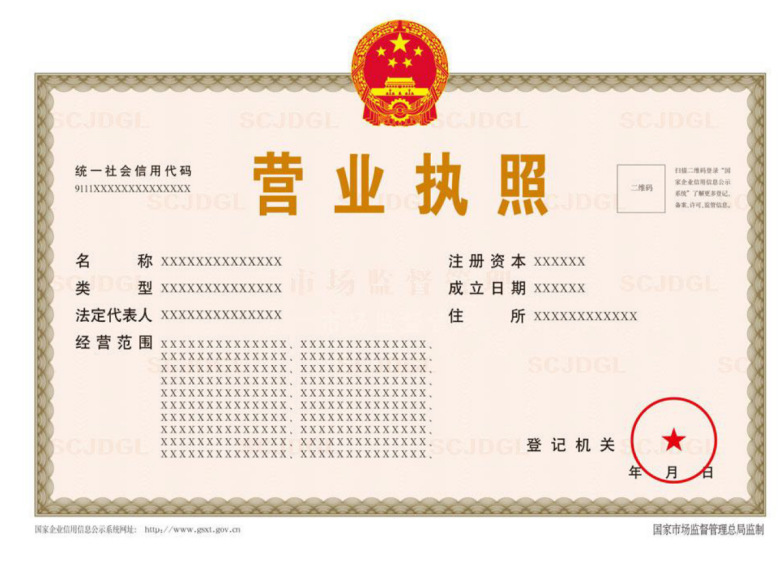
Follow the entire name across any line break. Keep the city, words in parentheses and the company or branch ending. Under SAMR's enterprise name rules, names generally include a place, a distinctive name, an industry or business characteristic and an organizational form, with exceptions. A place in parentheses can be part of the name. A branch suffix may distinguish the record you need from that of the head office.
If any characters are unreadable, request a clearer image of the full license and ask the supplier to type the entire registered name and code. The typed text makes the lookup easier. A full copy lets you check both fields on the same document. If the only copy shows one field clearly, record that gap rather than combining it with a second field taken from a different file.
A line for each source
- License. Record the Chinese name and code exactly as shown. Flag any characters hidden by a fold, watermark or poor resolution.
- Vendor system. Copy the contents of the legal-name and code fields. Find out whether the name was typed, imported from a quote or populated from optical character recognition.
- Registration lookup. Enter the code in ChinaValidate company search. Record the actual result, its current name, code, status, source and date of lookup. Keep that result visible while you check the other two records.
Locate the first differing character, then compare the rest of the string. In a low-resolution scan, characters such as 未 and 末 look similar. A stray space may come from extracting text across lines. A missing branch ending can point to a different company record. Some systems normalize punctuation or character variants to make searches easier. Preserve the actual registered string alongside any searchable variation used in your system.
The code can have its own transcription problems. Check letters and numbers from a complete image before trying a second query. Copying the code from a supplier's spreadsheet and the name from a license can accidentally pair two different companies. If a colleague obtained the two fields from separate files, ask them to record the original source for each before making a correction.
The source of the difference
- Only the vendor record differs.
- The license and registry agree, but the legal-name field in your system drops a character or contains a display translation. Correct the stored field from the verified sources. Keep a useful English alias in a separate field.
- The code matches and the registered name changed.
- Ask for the current license and evidence that connects the old and new names. Compare the change date with the date of the license on file, then update the current name. Keep earlier names searchable when there are older orders or invoices to reconcile.
- The code leads to a different entity.
- Check the license again. If its name and code still lead to different companies, request a full current license or an independently verifiable electronic credential for the exact supplier. Keep both candidates visible until their roles are clear.
- The supplier disputes the official record.
- Ask it to take the exact discrepancy to the registration authority and share the authority's response or the updated record. A discrepancy in a commercial report can first be checked against another authoritative source. Leave the identity decision open until the evidence can be reconciled.
If the code returns no match, confirm it is the USCC on the license rather than a number copied from an invoice or account form. Then search the full Chinese name and compare each candidate's code and registration details. A result with a close name still needs evidence tying it to the supplier. If the public system cannot be reached, the company registry access guide explains how to tell the difference between a connection problem and a lookup with no matching record.
Dates and document versions
Suppose you approved a supplier in March and checked it again in October. The license on file contains an extra industry term, and the current lookup shows exactly the same code. Ask for a current license and a dated name-change record. If the record shows the name was changed between your two checks, note that the names belong to the same company and record which name applies to the new order. Keep the license used at the first approval in the historical file.
Now take those same checks, but the codes differ. A reply saying “we changed our English name” does not explain the second code. Pull up both records and ask which one the supplier proposes to use on your next order. If the business says the earlier company changed its legal name, request the registration evidence linking the previous and current names. Keep the individual company records attached to the transactions they actually cover.
An official redesign can change where details appear on the page. The Dongjiang specimen illustrates the license layout update that began in September 2022. Find the field by its label before relying on its position. An older layout can still contain the information you need to confirm an earlier transaction. A convincing current layout can also contain a stale name if the copy was taken before the company renamed itself. Check the dates and the fields independently.
A business license might be included in a translated packet or have an English cover page from a service provider. On a renewal, compare the translation's source page with the license in your file. A new translation date only establishes when the translation was produced. If the underlying license uses a former name, save the translation as historical evidence and ask for the current license before replacing the vendor name.
One common variation is a multi-location vendor file. The head office and a branch share the same distinctive part of the name. The folder is labeled with the group name and contains two licenses. Put the two codes on separate lines and ask which location issued the document under review. If the name on the license starts with the head office's name and continues with a branch ending, copy the whole entry. That ending is part of what you compare in the branch's own record. If your team intends to approve the head office, request its current license. A clear company name on one document cannot fill in the identity fields on the other.
One request to the supplier
Write down the exact difference you found. A clear request saves the supplier's operations team from guessing whether you need a renewed license, a name-change record or simply a copy in higher resolution.
Please send the current business license for the company we are approving and type its full Chinese registered name and Unified Social Credit Code in your reply. Our lookup shows a different name for the code on the copy. If the company changed its registered name, please include the date and the document or record connecting the two names.
Compare the new file against the lookup again. A screenshot sent by the supplier can help show the result it saw. Keep information from a source your team can identify and check independently as well. The electronic business license guide explains another document format the supplier may provide. If a company contact sends a license from the wrong folder, the next request should identify the exact entity you need. If the new file still leaves an unexplained difference, write down what is missing and ask for that evidence.
Close the vendor record
Save the verified Chinese name, code, license evidence and check date. If the mistake was internal, keep a short note connecting the correction to its source. For a supported name change, record the former name and the effective date in history. If your team is switching to a separate company, keep the previous supplier's record and open a separate approval for the proposed one. This gives accounts payable a clear answer when a historic invoice arrives under the former name or from the previous supplier.
In a multilingual vendor file, keep the original Chinese name visible next to any display translation. A colleague should be able to repeat the same lookup without guessing which Chinese characters were used. Close the review once the license, registry and approved vendor entry lead to the company the team actually intends to use.