
China Travel Expense Invoices
Collect and check mainland China railway and domestic air invoices, match passenger and purchaser details, and reconcile each trip expense before reimbursement.
Start with the Chinese legal name or USCC. Confirm the matching company before opening its profile.
A business trip can leave you with a rail booking, an airline receipt, two payment entries and several documents called e-tickets. For domestic travel in mainland China, identify the issued tax invoice for each rail or air expense. Then check whose trip it records, which company is named as purchaser and who paid. Put the booking and payment evidence beside the invoice so the person reviewing the claim can trace the transaction.
Say a company sends an engineer to Suzhou for a supplier inspection and then to Shenzhen for a meeting. An office coordinator buys the rail ticket through Railway 12306 and pays with an approved company card. The engineer buys the domestic flight through an air travel agent and pays personally. When finance receives the claim, it needs the rail invoice to reconcile the company-card expense and the air invoice and payment record to review the engineer’s claim. The fact that both legs belong to the same trip does not make the two charges payable to the same person.
Purchaser details before invoice issuance
Confirm the purchaser with the team that will book the expense. The 购买方 section on the invoice identifies the party buying the transport service. The 旅客 is the person who travelled. The party that made the payment is shown in the payment evidence. The issuer is the railway transport enterprise or, for a domestic air itinerary invoice, the eligible airline or sales agent. The booking account, payer and invoice purchaser can answer different questions about one charge.
For a mainland Chinese company that is the purchaser, obtain its registered name and Unified Social Credit Code (USCC) from its finance team. The rail and air notices specify purchaser name, USCC and trip information as inputs to issuance. Copy the purchaser name as the company gives it to you and check it before submitting. If an overseas company is paying or the purchaser is overseas, ask the issuer what its channel can accept and ask the company’s finance team which documents it needs. Do not borrow a mainland supplier’s code or enter the traveller’s passport number as a company code. The passenger identity fields refer to the person travelling.
Save the original confirmations as each leg is booked. For each one, note the booking channel, the order reference, the passenger name as booked and the intended payer. If several people travel under one order, keep the itinerary for each passenger. The office coordinator can use those records to answer which journey a payment covered without sending a passport scan or a full card statement around the team. The published invoice channels may ask for identity evidence to retrieve a document. Finance needs access to the issued invoice and the supporting fields required for review.
The rail invoice through Railway 12306
Under Announcement No. 8 of 2024, a traveller can obtain an 电子发票(铁路电子客票) through Railway 12306 after the journey ends or after paying refund or change fees. The railway transport enterprise issues it using the purchaser and journey details and delivers it through Railway 12306 for download or via a channel such as email. The 12306 website and mobile client are part of this workflow. Get the electronic invoice for a current business trip. The earlier transition provision concerned paper reimbursement vouchers for qualifying historical journeys, and the paper voucher and electronic invoice may not both be issued for the same journey. Rail passenger invoice announcement, No. 8 of 2024
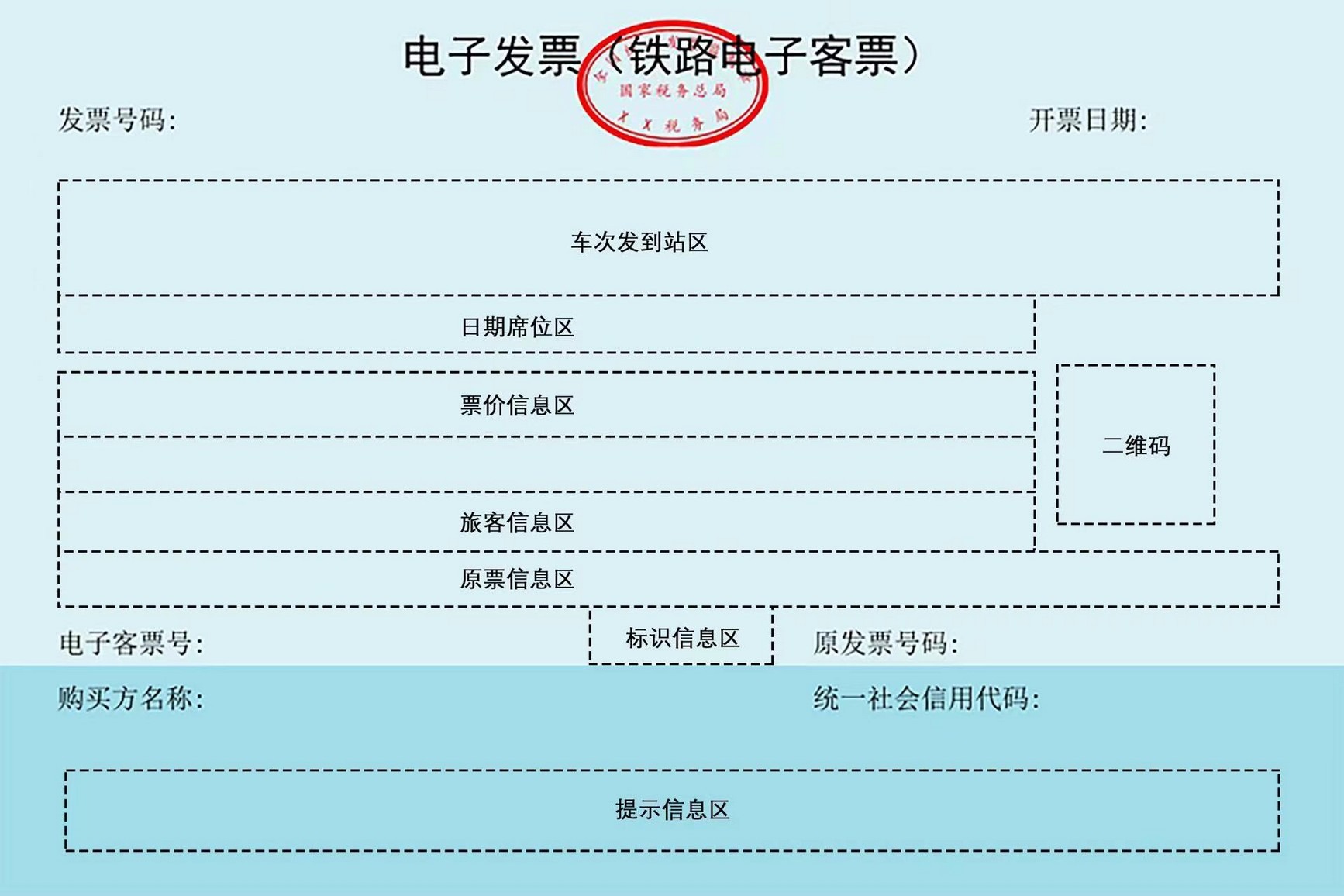
In the inspection trip, the coordinator already has the order and card evidence. Under the existing 12306 workflow, the engineer obtains the invoice after the ride with the agreed purchaser details. Compare the invoice’s 20-digit number, issue date, passenger and journey against the trip file, and match its fare to the order and payment. For a changed ticket, retain the change confirmation and separate any additional fee or refund in the expense record. Check what the issued invoice actually covers before entering the net amount.
Additional rail routes from December 1, 2026
Announcement No. 22 of 2026 takes effect on December 1, 2026. It adds routes for travellers, ticket buyers and certain third parties. Under the announcement, a ticket buyer is an individual who buys the ticket and pays for it. A third-party handler in this rule is someone other than the traveller or ticket buyer who handles a refund or change for the traveller at the station ticket window or machine. Use the route matching the role and the channel used for the transaction. Railway electronic invoice update, No. 22 of 2026
| Role and transaction | Invoice route from December 1, 2026 |
|---|---|
| Traveller buys, refunds or changes a ticket through Railway 12306 or a station sales channel | Use Railway 12306 after the journey or after paying the refund or change fee. The traveller can also use their own valid identity document to get a scan-to-invoice slip at the ticket window or machine. |
| Ticket buyer buys, refunds or changes a ticket for the traveller through Railway 12306 | Use Railway 12306 after the journey or after paying the refund or change fee. For a scan-to-invoice slip, use the traveller’s valid identity document at the station window or machine, or the buyer’s valid identity document together with the 12306 order number at the station window. |
| Ticket buyer buys for the traveller at a station ticket window or machine | Get the slip on the spot using the traveller’s valid identity document at the window or machine, or using the buyer’s valid identity document at the window. |
| Ticket buyer or third-party handler refunds or changes the traveller’s ticket at the station | Get the slip on the spot at the window or machine using the traveller’s valid identity document. The tax authority’s explanation specifies the document used to buy the ticket. |
Once you obtain a 扫码开票单, scan its QR code in the Railway 12306 mobile app to obtain the invoice. Send the issued electronic invoice to finance. The railway enterprise issues and delivers it using the information supplied through the authorized route. The announcement bars third-party rail-ticket sales platforms and individuals from offering issuance, delivery or download services for the railway electronic invoice. A third-party booking confirmation can still help explain who booked or paid. Tax authority explanation of the new routes
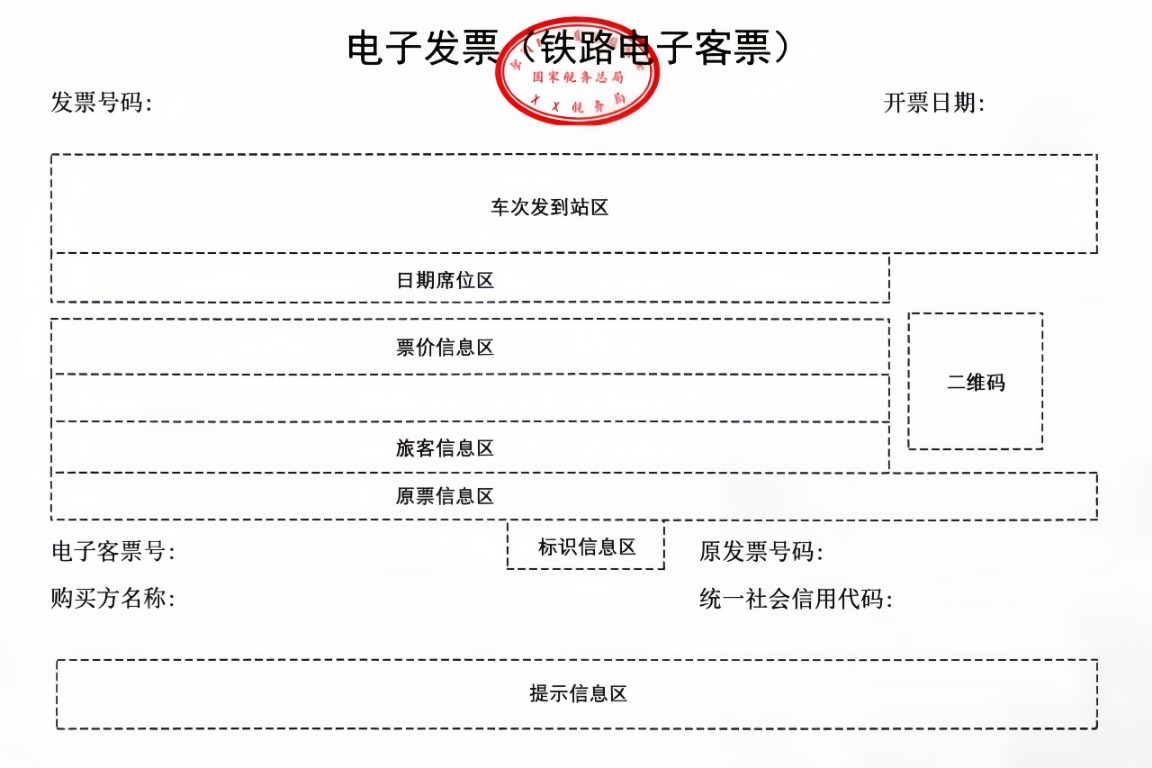
If the inspection trip uses the new rules and the coordinator personally bought and paid for the ticket through 12306, the coordinator can use the applicable ticket-buyer route. The engineer stays the passenger and the agreed company stays the purchaser on the invoice. If a different colleague later handles a change at a station, check that role and the station document requirement before relying on it. A person who only has the booking email does not automatically qualify for the same route.
The domestic air itinerary invoice
For mainland domestic civil aviation, Announcement No. 9 of 2024 covers the 电子发票(航空运输电子客票行程单). A qualifying mainland-registered public air transport enterprise or air transport sales agent can issue it. The traveller can obtain it through the airline or agent after all segments on the ticket have been completed. Use the website, app or service phone for that provider, and give the agreed purchaser and itinerary details. The provider can deliver it for download or send it by email. The announcement also allows another invoice as applicable for reimbursement and accounting. Its transition rule disallows duplicate issuance among the old paper itinerary, the electronic itinerary invoice and another invoice for the same expense. Domestic civil aviation invoice announcement, No. 9 of 2024
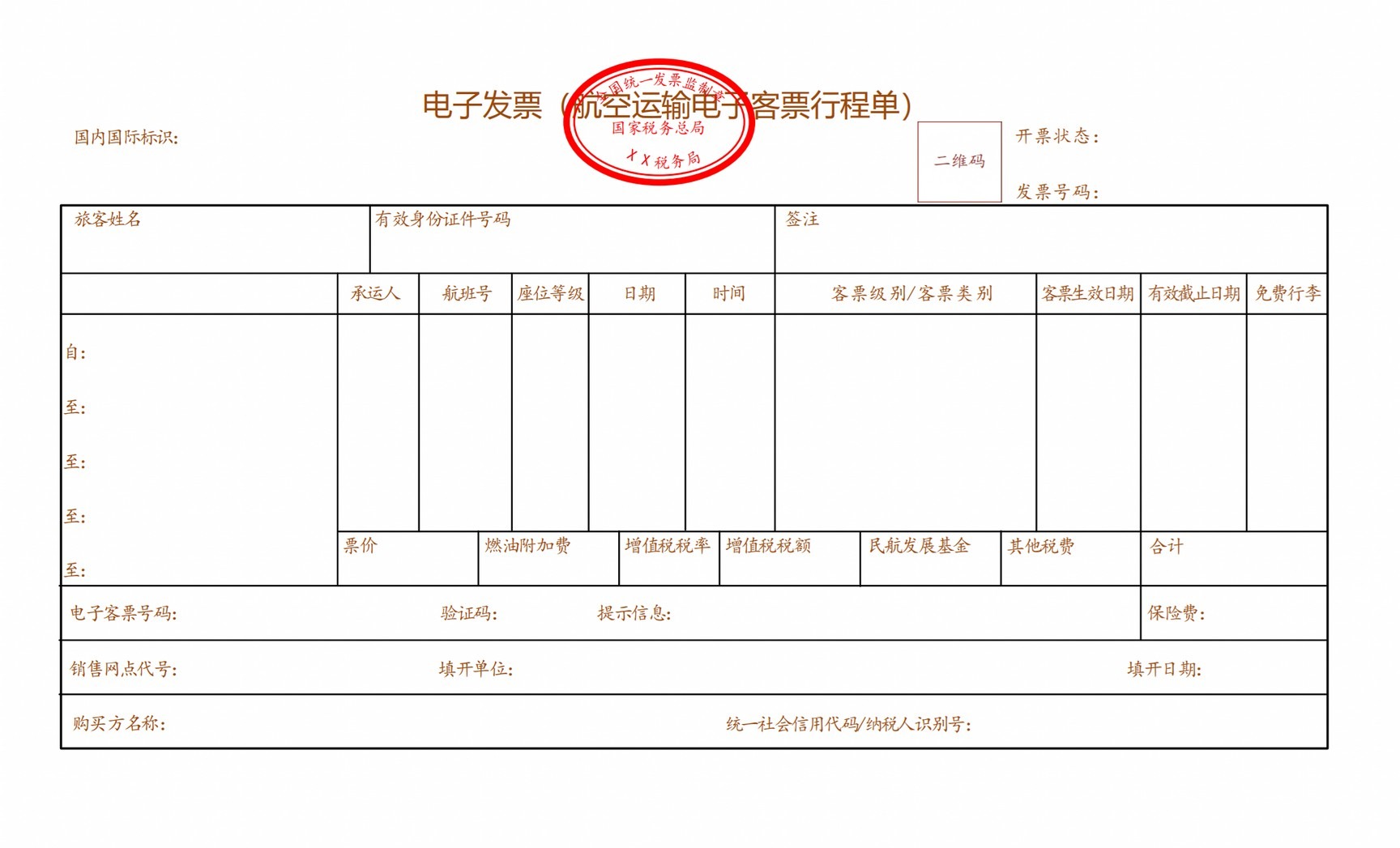
In the inspection trip, the agent’s booking email may say “e-ticket itinerary” and list a ticket number. Open the separately issued document and check its title, 20-digit invoice number, issue date, issuing entity, route, purchaser and total. Ask the agent which channel to use if the booking receipt is all you received. If a return or connecting flight is part of the same ticket, check whether all the segments are complete before asking for the electronic itinerary invoice. Keep the booking details available for finance to compare flight dates and any rebooking charges.
If a booking agent sold a domestic ticket together with a separate service for arranging the trip, compare the invoice lines with the receipt before assigning the whole payment to the airfare. Ask the agent to identify which document covers each charge if that is unclear. For a cancelled or partly used ticket, keep the issuer’s response on which amount and service it can document. A booking confirmation can still reflect the original route or price after a change.
If the original purchaser information is wrong on either mode’s electronic invoice, contact the railway issuer, airline or eligible sales agent about correction. Mention whether finance has already recorded the document or confirmed its use in the tax system. Both 2024 announcements set out red-letter procedures for correcting purchaser information and distinguish situations in which the purchaser has already confirmed use or accounting. Keep the original and any correction or replacement together. Do not change the purchaser text in the downloaded file.
The file finance reviews
Use one expense line per charge or adjustment. For the rail leg, attach the issued rail invoice, the 12306 order and the company-card evidence, and mark that the charge was paid directly. For the air leg, attach the issued itinerary invoice, the agent’s booking and the engineer’s payment evidence. Note the amount claimed back, the currency in which it was paid, and any refund already received. A bank line can record an exchange rate, service fee or grouped charge. Leave an explanation for any difference from the invoice total rather than editing the invoice.
For example, suppose the engineer’s statement shows an original CNY 980 charge, a CNY 120 refund and a CNY 40 service fee on a separate line. Ask for the itinerary invoice and the adjustment and fee records that explain those entries. The net outlay is CNY 900 in this example. Whether all CNY 900 belongs on the reimbursement request depends on which amounts the company reimburses and what evidence it needs. Check for an earlier advance or reimbursement before approving a payment to the engineer.
Check the transport invoice itself before approving the file. The national VAT invoice verification instructions call for the 20-digit invoice number and issue date for both documents, together with the fare for the railway electronic ticket or the total for the air itinerary invoice. Copy the specified amount from the relevant invoice. Compare the returned record with that document, then separately reconcile the expense against the booking, payment and any adjustments. See the Chinese fapiao and receipt guide if a booking provider has supplied only a payment receipt.
Record the business purpose, who approved the trip and who should receive reimbursement. Keep the electronic originals where finance can reopen them. If you need evidence of a change or cancellation, attach the relevant transaction record and show how the amount was reconciled. The reimbursement decision follows the company’s process. Any VAT treatment depends on the purchasing entity, the qualifying document and the applicable rules. The completed trip file should explain what was invoiced, what was actually paid and what, if anything, remains to be reimbursed.