
China CCC Certification Catalog Lookup
Use China’s compulsory certification catalog, product specifications and later notices to check whether a model falls within CCC scope.
Start with the Chinese legal name or USCC. Confirm the matching company before opening its profile.
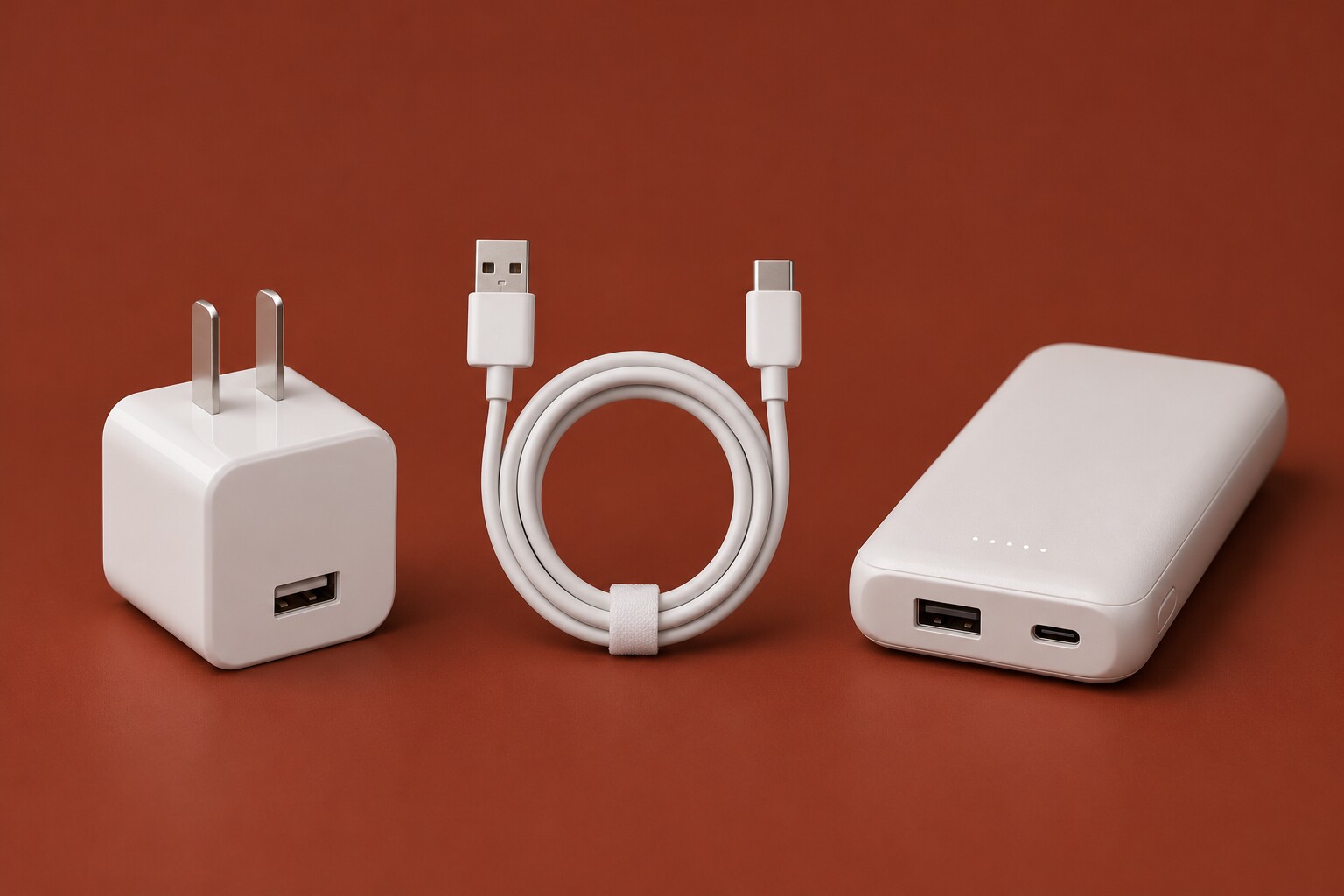
To check whether a model falls within China’s compulsory product certification system, start with the product description and scope in the official CCC catalog. Then read any later notice that affects that product or the date when it will be sold, imported or used in China. Treat the supplier’s brochure, quotation and photos as inputs for the lookup. The official documents tell you which product attributes matter.
A catalog entry gives you a category and a way to decide whether the model fits it. The relevant implementation rule tells you which conformity evidence to request. Once those two pieces are clear, you can check a supplier’s document against the actual model, production site and order.
The specification to look up
Ask for the manufacturer’s full model designation and suffix, the technical data sheet and the form in which the goods will enter the market. Include the intended use and the item the buyer will actually receive. A description such as “power supply” could refer to a portable unit with an internal battery, an adapter that plugs into the mains, or a part installed inside another product. The catalog may ask different questions for each.
Capture the main function, operating conditions and the characteristics a rule might use to draw a boundary. For an electrical item this could include input and output, rated voltage, power, and whether a battery pack or adapter is built in or supplied separately. For a camping power station it can include mass and battery capacity. Mark which entries came from the model’s data sheet. If a supplier gives a single sheet for several variants, ask which specifications belong to the model and bundle on the purchase order.
Record where the goods will be sold or used. A Chinese supplier may offer versions for mainland customers and overseas markets under the same family name. For a China market check, identify the version intended for that market. If the goods will be used elsewhere, ask the buyer at destination about that market’s requirements and keep their answers separate in the order file.
The official lookup
Open the CNCA compulsory certification section. The tabs labeled 目录描述与界定, 通知公告 and 实施规则 lead to the product scope, notices and implementation rules. Use the market regulator’s catalog and scope table as a starting point. The original announcement helps you identify the attachments and date. The scope table provides the detailed descriptions. Market regulator’s catalog and scope announcement.
- Find the candidate entry. Search the Chinese product term or category code. Read the notes for the group as well as the matching row. If the sales name does not appear, look for the category defined by the product’s function and design.
- Match the conditions. Read the category description, the applicable product scope and any inclusions, exclusions or qualifications. Compare each condition to the same model’s specifications.
- Read later notices. Search for the category code and the Chinese category name in the official announcement section. Record which notice changes the scope, effective date, conformity route or transition arrangements.
- Find the implementation rule. Follow the rule entry for that category. Check which version applies on the relevant dates and what evidence it calls for. Keep the original references alongside the supplier’s response.
Use the Chinese wording where a translation is broad or ambiguous. For example, the scope table distinguishes the product category and code, the description of the category, and the description or examples of included products. The notes may supply exceptions that do not appear in the row label. Exact wording also helps when you ask a designated certification body about a borderline model. The CNCA implementation rule index is a route to the product rules and their updates.
A customs tariff code can help a broker narrow the search, but it serves a different system from the CCC product category code. The published reference mapping from the market regulator and Customs expressly points readers back to the relevant compulsory-certification announcements for the actual scope. A matching customs code is a lead. Read the applicable scope text before drawing a conclusion about the product. Regulators’ commodity-code mapping notice.
A portable power station
Consider an illustrative purchase of a portable camping power station for sale in mainland China. The supplier describes it as a battery-powered outdoor accessory. Its model sheet says it weighs 12 kg, uses an integrated rechargeable lithium-ion battery pack, and provides AC output. The documented total rated capacity of the included batteries is 5,000 mAh. Those facts help the buyer assess the technical description in the official scope. The shopping category on the supplier’s website is much less specific.
The 2023 product announcement identifies portable power supplies under code 0914 and lists power banks, portable energy storage supplies and camping power supplies among the examples. The scope and standards attachment to CNCA Announcement No. 7 of 2026 gives more detailed boundaries for that category, including a mass of no more than 18 kg and a total rated battery capacity greater than 600 mAh. It also identifies a separate category, 0916, for lithium-ion batteries and battery packs used in mobile power supplies. The dated announcement tells you how the old and new implementation rules apply during the transition. Product inclusion announcement and category descriptions and CNCA 2026 rule update and scope attachment.
In this example, 0914 is the starting category for the complete unit. Confirm the model-specific technical details and which rule version applies to the order. If the supplier only sends a document for the internal pack, identify the product and category that document covers. Ask separately for the appropriate evidence for the assembled power station. If you plan to buy the pack as a separate spare, give that purchase its own scope check.
A separate charger
Suppose the supplier offers a charger in the box and another model as a separately priced replacement. Ask for each charger’s label, input and output ratings, and supported equipment. The product descriptions used by China’s regulator can depend on which equipment the charger serves. The 2023 inclusion announcement, for example, identifies mains-connected power adapters and chargers for telecommunications terminal equipment under the relevant power-supply category. A generic description such as “wall charger” leaves the intended equipment open. Determine what is actually included and whether the relevant rule evaluates the accessory separately or as part of the equipment.
A supplier may also send a battery record under the portable-electronics category, code 0915. Check the battery’s intended application in the source document. The current power-supply rule update separates portable-electronics batteries from those used in mobile power supplies. If the supplier offers a common battery across different products, ask which applications the evidence covers. Keep the complete unit, the charger and any spare battery on separate lines in your review until their roles are clear.
A good question is specific enough to answer from a data sheet and the current rule: “Will the order include this charger model in the box, and is the same model sold as a separate spare? Please identify the host equipment and the certification rule that covers the supplied configuration.” An answer that gives you a model and scope clause is more useful than a general assurance about the product family.
The rule on the relevant date
A newer announcement can affect a shipment in several ways. It can add or remove goods, change the assessment method, introduce a standard, or give manufacturers time to convert existing certificates. The publication date tells you when the notice appeared. The dates in its operative sections tell you when its requirements apply.
For the power station example, the 2026 notice allows certification bodies to work under the older or newer implementation rule, according to the applicant’s preference, through March 31, 2027. The newer rule applies to certification activities from April 1, 2027. Previously certified portable power supplies and their lithium-ion batteries or packs must complete the specified certificate conversion before that date under the notice. The notice describes a separate transition for lithium-ion batteries and packs for portable electronic products. Confirm which category and which implementation rule the supplier is relying on, especially when order and delivery dates straddle the change.
Removal is another reason to read the recent announcements. A November 2026 market regulator announcement ended compulsory certification management for the listed mining explosion-proof electrical products from publication, with cancellation of their previously issued CCC certificates. The attachment identifies the mining products covered by the change. Read the actual list if a supplier uses a broad description such as “explosion-proof motor.” November 2026 mining equipment notice.
For a purchase scheduled across a transition, match dates to the exact activity a notice describes. A new rule can govern certification applications from one date while a conversion provision governs existing records on another. Ask for the supplier’s intended production and delivery dates and which evidence will be available by then. If an older certificate is presented, find out whether the notice permits it during the relevant period and whether the model has already been converted. Record that answer before comparing it with the order file.
Evidence for the order
Use the lookup result to make a specific request. If the category applies, ask the supplier which conformity route the current rule requires. Some categories have a self-declaration route. Check that the declaration or certificate covers the identified model and the relevant version, site and equipment configuration. Then follow the appropriate record check. Check a supplier’s CCC certificate.
If the supplier claims the product falls outside the catalog, ask for the category it considered, the boundary condition and the model specification that supports the conclusion. If it claims a case-specific exemption for an in-scope product, identify the qualifying use and the official proof required for that case. For example, Chinese rules distinguish some limited uses of imported in-scope products under a formal exemption process. Keep an exemption decision with the transaction it covers. Official CCC exemption arrangements.
When the model is borderline, send the certification body the category code under consideration, the model’s data sheet and the exact clause that needs interpretation. Explain whether you are buying the complete product, its parts or both, and specify the intended use. A written answer tied to these details is easier for the importer, purchasing team and supplier to apply to the same order.
| Record | Keep with the order |
|---|---|
| Model and configuration | Exact designation, included parts, intended use and dated model sheet. |
| Scope finding | Product category and code, the operative scope clause, and any technical fact still missing. |
| Applicable date | The notice and rule version, the activity date and any transition that affects the evidence. |
| Supplier response | The applicable certificate, declaration, exemption or further written scope clarification. |
Retain the link to the published rule and the date of your review. If the supplier changes the included pack or the buyer switches to a different model, repeat the relevant scope comparison with those new facts. A focused catalog check gives both sides a document request they can answer for the goods being bought.