
Check a Chinese Seller on Amazon
Identify the Mainland Chinese business behind an Amazon offer, distinguish it from the product brand and fulfilment provider, and match the available company information.
Start with the Chinese legal name or USCC. Confirm the matching company before opening its profile.
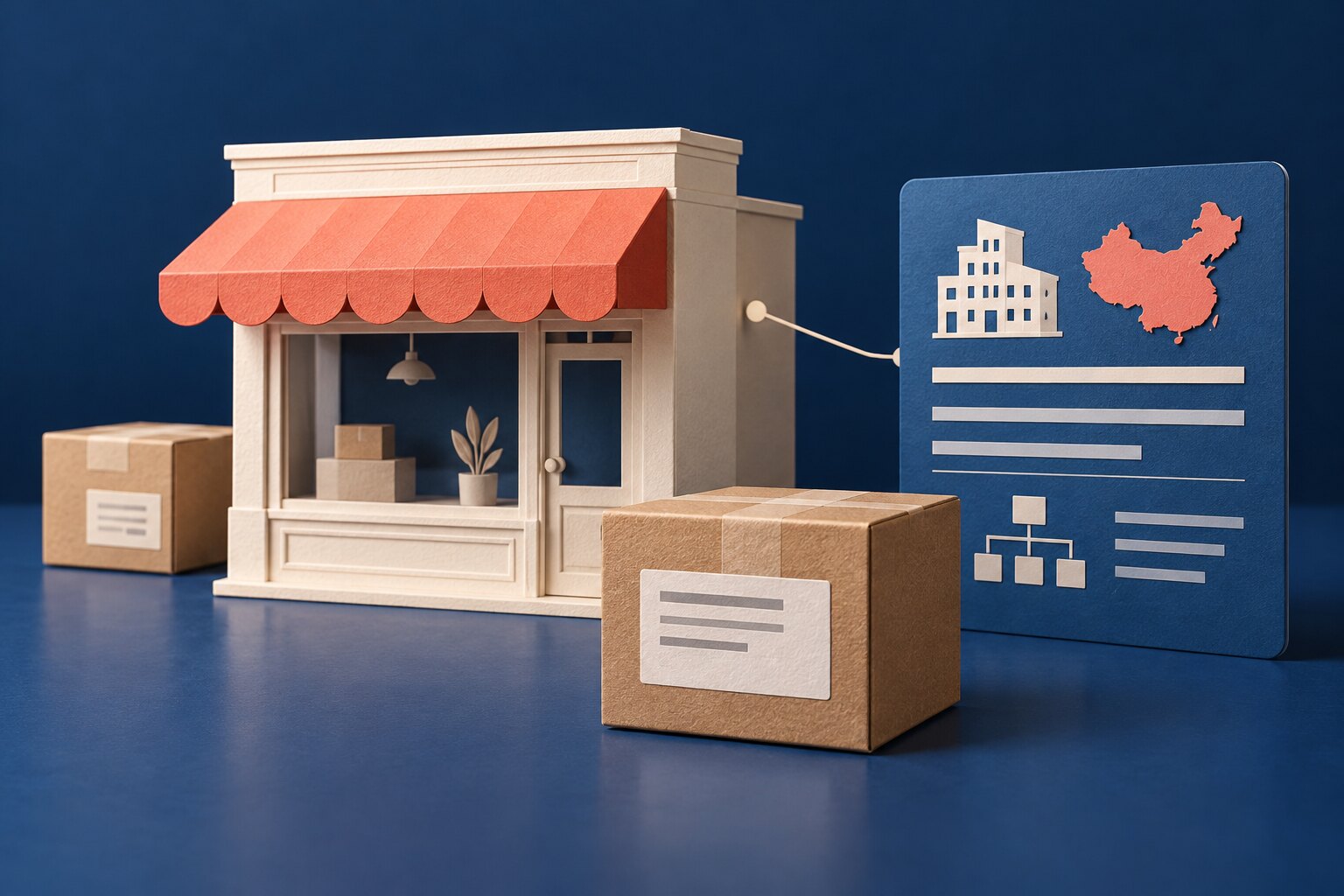
The product arrives in an Amazon shipping box. The retail packaging carries one brand, the offer names another seller, and the business information points to a company in China. Those names may describe different roles. Before searching for the business, identify which one you actually want to check.
This guide is for buyers investigating the Mainland Chinese company behind an Amazon marketplace offer. It is not an invoice-appeal guide for Amazon sellers. The aim is to connect the offer to an identifiable business and understand what that connection tells you, without mistaking a warehouse address or a brand name for the seller's registered identity.
Start with the offer you selected
A product page is not necessarily a permanent record of the same seller. Record the offer and seller shown when you are making the purchasing decision, or use your order record if you have already bought. Save the seller-profile link and a dated copy of the relevant business information. That gives a later lookup a clear starting point.
Keep the product identifier, seller display name and business name in separate fields. A product identifier describes a listing, while a seller profile identifies the account offering the goods. The legal business disclosed through that profile is the candidate for a company check. Combining all three into one “supplier name” makes the evidence harder to follow.
Amazon's seller-information guidance distinguishes a display name from legal-entity and business-address information. The exact fields and access route can vary by Amazon marketplace and seller type. Follow the current seller-profile or business-information link rather than assuming every country uses an identical screen.
When another seller offers the same product, open that seller's information separately. A positive experience with the product or a familiar brand does not establish the identity of every business offering it. If you switch offers before checkout, make sure the company information you saved still relates to the seller you chose.
Four names with different jobs
| Information you see | Role it may identify | Use in a company check |
|---|---|---|
| Seller display name | The storefront or account presented to buyers | Trace the offer and conversation |
| Disclosed business name | The legal entity associated with the seller profile | Starting point for registry matching |
| Product brand | The name used to market the goods | Separate brand and authorization enquiry |
| Fulfilment or return address | A warehouse, logistics provider or return location | Delivery or return instructions, not automatic proof of seller identity |
A parcel shipped from a local warehouse can be sold by an overseas business. Equally, a product made in China can be sold by a company registered elsewhere. Neither the country of manufacture nor the shipping origin settles the legal seller's location. Use the business information attached to the account.
The same distinction applies to returns. A convenient domestic return address may be provided for logistics. Do not search that address and assume that the warehouse operator is the merchant responsible for the offer. Preserve the seller and return instructions separately, especially if you are investigating a problem after delivery.
If the seller says it is the brand owner, manufacturer or authorized distributor, treat that as an additional claim. A registry match establishes the named entity, not every commercial relationship it describes. Brand authorization, product compliance and manufacturing responsibility need their own relevant evidence.
Read the disclosed identity carefully
Start with the complete business name and registered country. If the disclosure identifies a Mainland Chinese company, retain the original Chinese text where available. English transliterations often vary in spacing and word order, and a marketing name may not be a literal translation. Do not silently replace the disclosed name with a company that merely sounds similar.
Amazon's seller-registration guide describes collecting business-location, business-type and registration information. Information collected during registration is not necessarily all displayed publicly. You should not expect a public profile to expose every identity document, bank detail or registration field Amazon requested from the seller.
If a Unified Social Credit Code is shown, copy it accurately. This identifier is useful for distinguishing Mainland entities with similar names. Check the actual character sequence rather than relying on a screenshot you cannot read. If only a partial identifier is visible, record that limitation instead of filling the missing characters by inference.
For an English-only name, a focused message can help: ask for the registered Chinese company name and USCC corresponding to the business shown on the seller profile. Use the marketplace's established communication route. You do not need a director's personal identity document to begin an ordinary company-registration lookup.
A seller may be registered outside Mainland China or may have a different legal form. Do not force it into a Mainland company search simply because the goods are Chinese or the salesperson speaks Chinese. First establish the disclosed jurisdiction and entity type; this article's registry-matching steps apply to the Mainland business actually identified.
Match the record, then interpret it
Search the exact Chinese name or USCC and compare the resulting name, code, status and registered address with the disclosure. The objective is a specific match, not the first plausible result. If the code matches but the name differs, look for an evidenced name change or ask for clarification rather than deciding immediately that either record is false.
An address discrepancy also needs context. One document may show a registered address, another an operating office and another a fulfilment location. Keep the address labels attached. A difference is a question to resolve; it is not automatically a finding of fraud, and it should not be dismissed merely because logistics arrangements can differ.
China's market-entity registration rules cover fields including the entity's name, type, address and business scope, as well as changes and deregistration. Those records can anchor a company check. They do not certify that a particular Amazon account is controlled by that business or that each listed product is genuine.
Record the source and date of your result. A screenshot supplied by the seller may be useful for locating the identifier, but it is different from a current independent lookup. Our company-registration matching guide uses Alibaba examples; the basic Chinese-name and code comparison is also useful once you have identified an Amazon seller's Mainland entity.
A short worked example
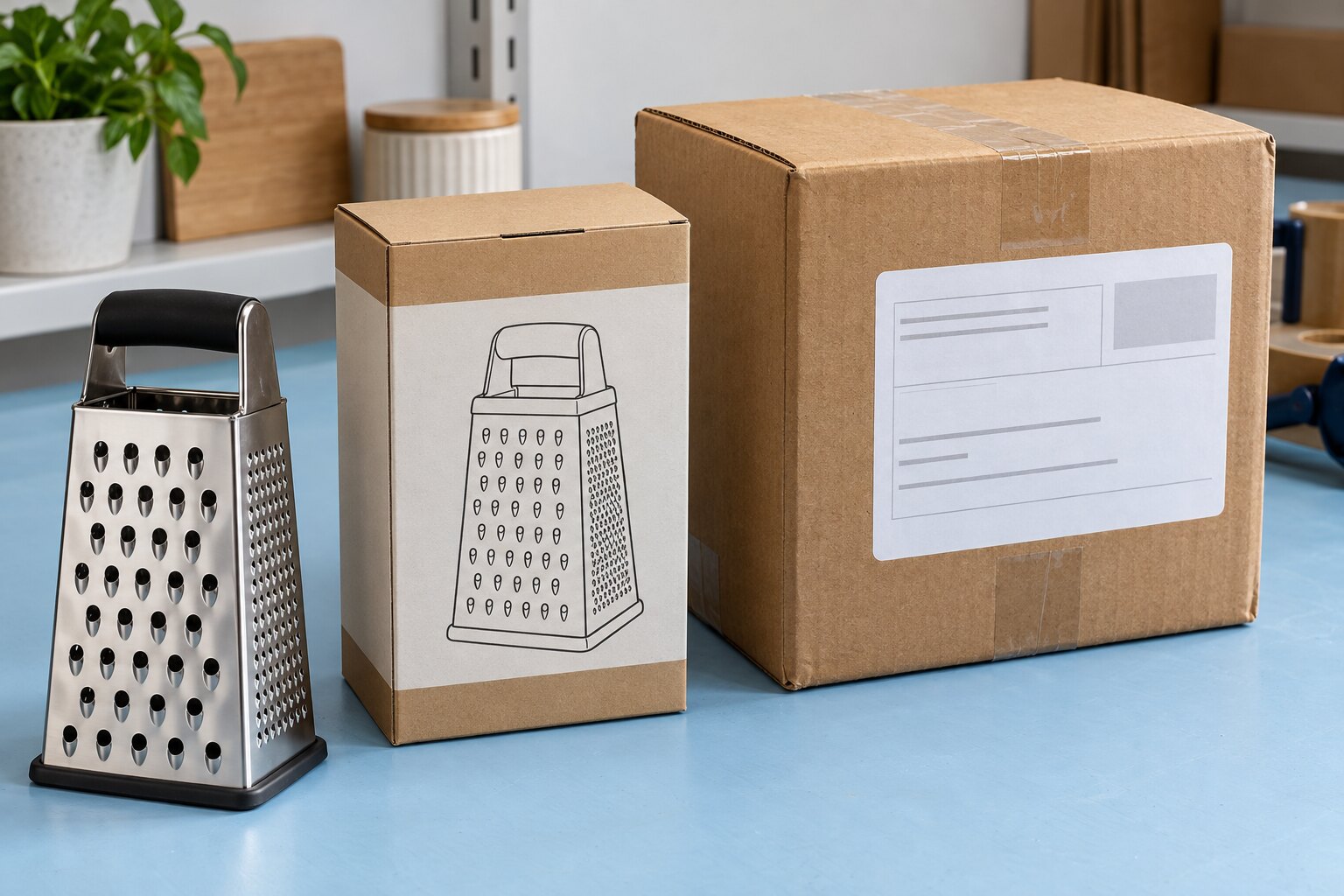
Imagine buying a kitchen grater from a storefront called Cedar Kitchen. This name is fictional. The retail box says Cedar, the shipping label identifies a fulfilment warehouse, and the seller's business-information page names a Mainland company. You should search the disclosed company rather than the invented storefront or the warehouse operator.
Suppose the Chinese company name and code match a current registry record. Your conclusion can be precise: the disclosed company has been matched to that record as of the lookup date. You have not yet established that Cedar is its trademark, that it manufactured the grater or that the item satisfies every applicable product requirement.
Now suppose a later message asks you to handle a refund through an unrelated contact outside the marketplace. The earlier company match does not validate that new instruction. Keep the order, messages and seller profile together and use the support and resolution options applicable to the purchase. Identity evidence cannot replace the transaction's own process.
If the profile instead supplies an English name that cannot be matched confidently, leave the company identity unresolved. Request the Chinese name and code through the seller channel. An honest “not yet matched” is more useful than attaching the nearest-looking registry record and giving yourself false certainty.
Use disclosure without overreading it
US rules provide one reason buyers may encounter business information on online marketplaces. The FTC's INFORM Consumers Act guidance explains collection, verification and disclosure duties for covered high-volume third-party sellers, including conditions and exceptions. It is not a rule that every seller worldwide must display identical information.
Disclosure helps a buyer identify a merchant; it does not make the marketplace a guarantor of every future transaction. A registered, identifiable company can still supply an unsuitable product, make a fulfilment mistake or disagree about a return. Use company information alongside product evidence and the current purchase terms.
The FTC's marketplace buying guidance advises checking the seller, item, return terms and available help, and retaining written answers. That is a useful complement to registration work. A company lookup answers an identity question; reviews, specifications and the order record address different parts of the buying decision.
Keep the enquiry proportionate. For a routine retail purchase, identifying the seller and understanding the marketplace's remedies may be enough for your immediate decision. A recurring business purchase, private-label discussion or high-value transaction may justify more work on authority, product requirements and the supply chain. More records are useful only when they answer a concrete question.
Keep a usable seller record
- Save the seller profile associated with the chosen offer or completed order.
- Separate the display name, legal business, brand and logistics information.
- Retain the Chinese name and complete USCC when available.
- Match the Mainland company and record the lookup date.
- Keep product, authorization and refund questions attached to their own evidence.
A compact record should let someone else follow the connection from the Amazon offer to the disclosed business and then to the registry result. Add any unresolved discrepancy in plain language. Avoid a single green “verified” label that hides which part was checked and which part remains a seller claim.
When you have the Mainland business's Chinese name or USCC, use ChinaValidate company search. If the details are provided on a license image, business-license verification can help read and compare supported fields. Keep the original seller disclosure alongside the result so the match remains connected to the offer you investigated.