
Alibaba RFQ Supplier Checks
Turn incoming Alibaba RFQ replies into a usable supplier file. Control the brief, identify the responding businesses and resolve changes before requesting samples.
Start with the Chinese legal name or USCC. Confirm the matching company before opening its profile.
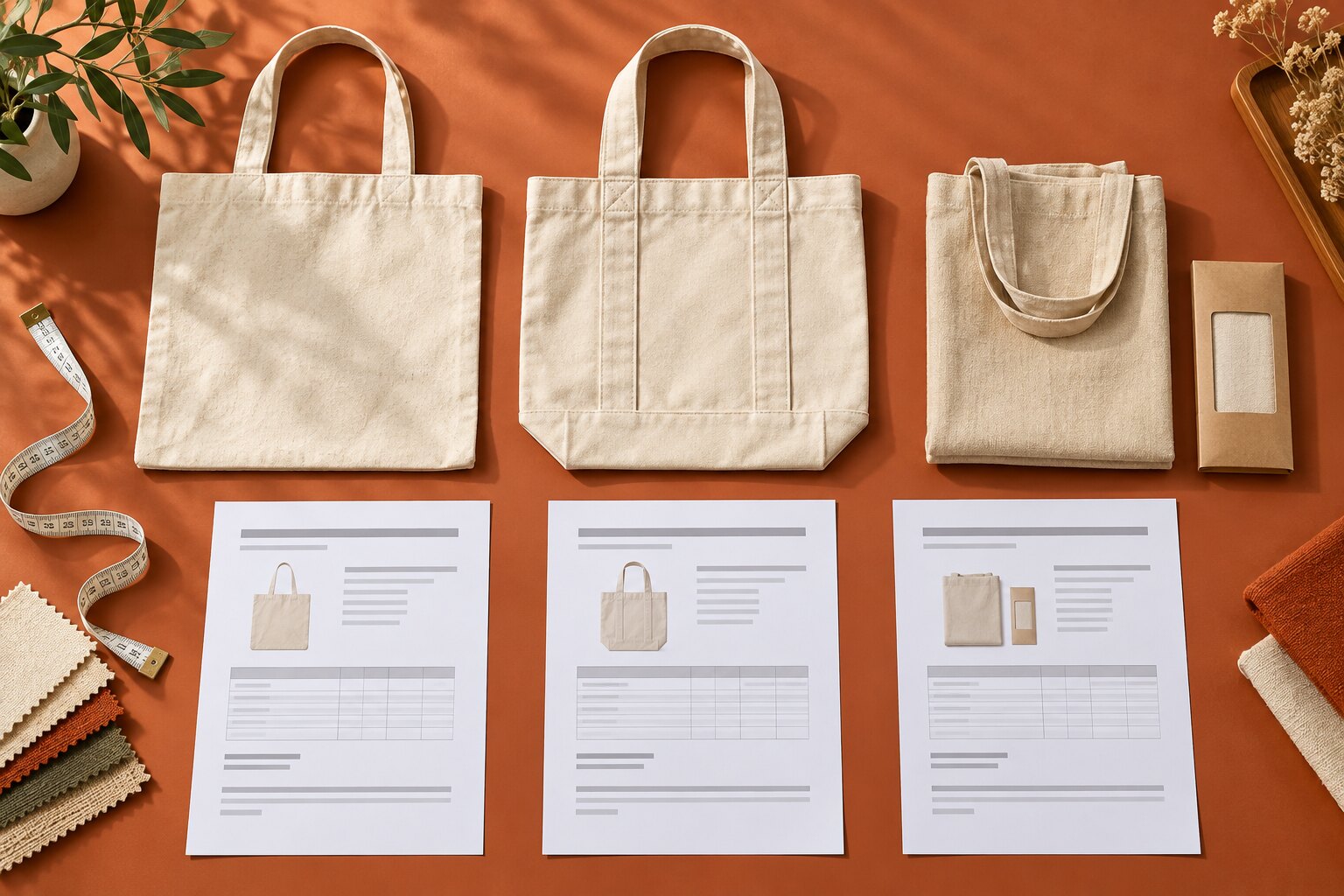
You post a request for canvas tote bags on Alibaba.com. By the next time you check your messages, several sellers have replied. Some attach a quotation, some send catalogues, and one asks to continue through a different contact. There is plenty to read, but you do not yet have a clear list of businesses responding to the same request.
An RFQ—request for quotation—helps introduce a buying requirement to potential suppliers. The useful next step is to organize the responses before treating them as offers you can act on. For Mainland Chinese suppliers, that means connecting the reply to a company, identifying the version being quoted and deciding what information each candidate needs next.
Before the replies arrive
Alibaba.com's RFQ service lets buyers publish sourcing requirements and suppliers find relevant requests to quote. It is a contact and quotation mechanism. Receiving a reply does not establish that the supplier has accepted a final order, owns the pictured factory or can meet every requirement you have in mind.
Give the initial request a clear reference and date. For the fictional tote-bag purchase in this article, the buyer uses a short specification sheet rather than relying on a product photograph. The sheet identifies the fabric, finished dimensions, handle construction, printing, quantity and individual packing required. The example is a purchasing exercise, not an actual platform order.
State which details are fixed and which you want the supplier to propose. “Suggest a suitable fabric” invites alternatives; naming a particular material and weight asks for a quote against that requirement. Mixing those instructions makes later replies difficult to interpret. If you welcome an alternative, ask the seller to identify it separately from the requested product.
Share enough information for an informed first response, while separating material intended for public sourcing from confidential designs or customer information. An initial product brief may not need a complete customer list, personal identification documents or unreleased artwork. Decide what needs a narrower exchange with an identified supplier. This is a practical disclosure choice, not a guarantee that any uploaded document will remain private.
Give each reply a home
Start one entry per response, with the conversation link, storefront URL, contact name, received date and quoted version. Keep the attachment where it can be traced to that entry. A file named “best price” is not enough to identify which seller sent it after several downloads accumulate in the same folder.
Do not turn the first incoming message into an approved vendor record. Use a simple working status: introductory reply, usable quotation, clarification needed or ready for a sample discussion. These labels describe progress in this enquiry. They do not claim that the business has passed a complete risk assessment.
Where a reply arrives through an unexpected channel, return to the existing platform conversation to confirm the connection. Someone repeating your product request in an email has not, by that fact alone, shown that they represent the profile you were discussing. Keep the commercial conversation attached to an identifiable account and business.
A colleague should be able to open the file and answer three questions without rereading your entire inbox: which request was sent, which business replied, and which response is the latest. This small amount of organization matters most when a buyer receives many similar messages or several salespeople use almost identical English trading names.
Identify the business responding
Ask shortlisted respondents for the Chinese legal name and Unified Social Credit Code of the Mainland business proposing to sell. Retain the Chinese text exactly. An English storefront name can help you recognize the conversation, but it is not a reliable substitute for the registered identifier when you are checking company records.
Link the reply, storefront and proposed selling entity. If a salesperson supplies a factory's license while the quotation comes from another company, record both and ask their roles. That arrangement may have a legitimate explanation, such as a trading company using a separate manufacturer. The explanation still needs to identify who is making the offer and who would accept the order.
China's market-entity registration rules distinguish establishment, changes and deregistration and identify registered fields such as name and address. A current record helps anchor the business identity. It does not independently establish that a sales contact is authorized, that a particular production line exists or that the quote is commercially suitable.
When two respondents provide the same company code, keep their separate offers but mark the common entity. You may be hearing from two sales teams rather than two independent supply options. Conversely, a shared brand or office address does not prove that different codes represent the same company. Our Alibaba company-registration guide covers the actual lookup.
Separate answers from substitutions
Now read the replies against the request. A supplier may have offered a useful alternative without clearly labeling it. Another may have pasted a standard catalogue price. Before comparing those replies, identify whether they answer your brief, propose a change or merely invite further discussion.
| Incoming response | What it currently tells you | Focused follow-up |
|---|---|---|
| A quotation references your current specification | The seller has identified the version being priced | Confirm any exclusions and unfilled requirements |
| A similar bag with different handles | An alternative construction is being offered | Ask for a separate quote against the original handles |
| A catalogue and a starting price | A possible product range, not a complete offer | Request the exact item and order conditions |
| A promise to “match everything” without an attachment | An expression of interest | Request confirmation of the named specification and deviations |
The tote handle is a useful example. A product photograph may show roughly the right shape while hiding the attachment method. A price based on a simple seam is not automatically a price for reinforced stitching. The issue is not whether one construction is always better; it is whether the offer answers the construction you requested.
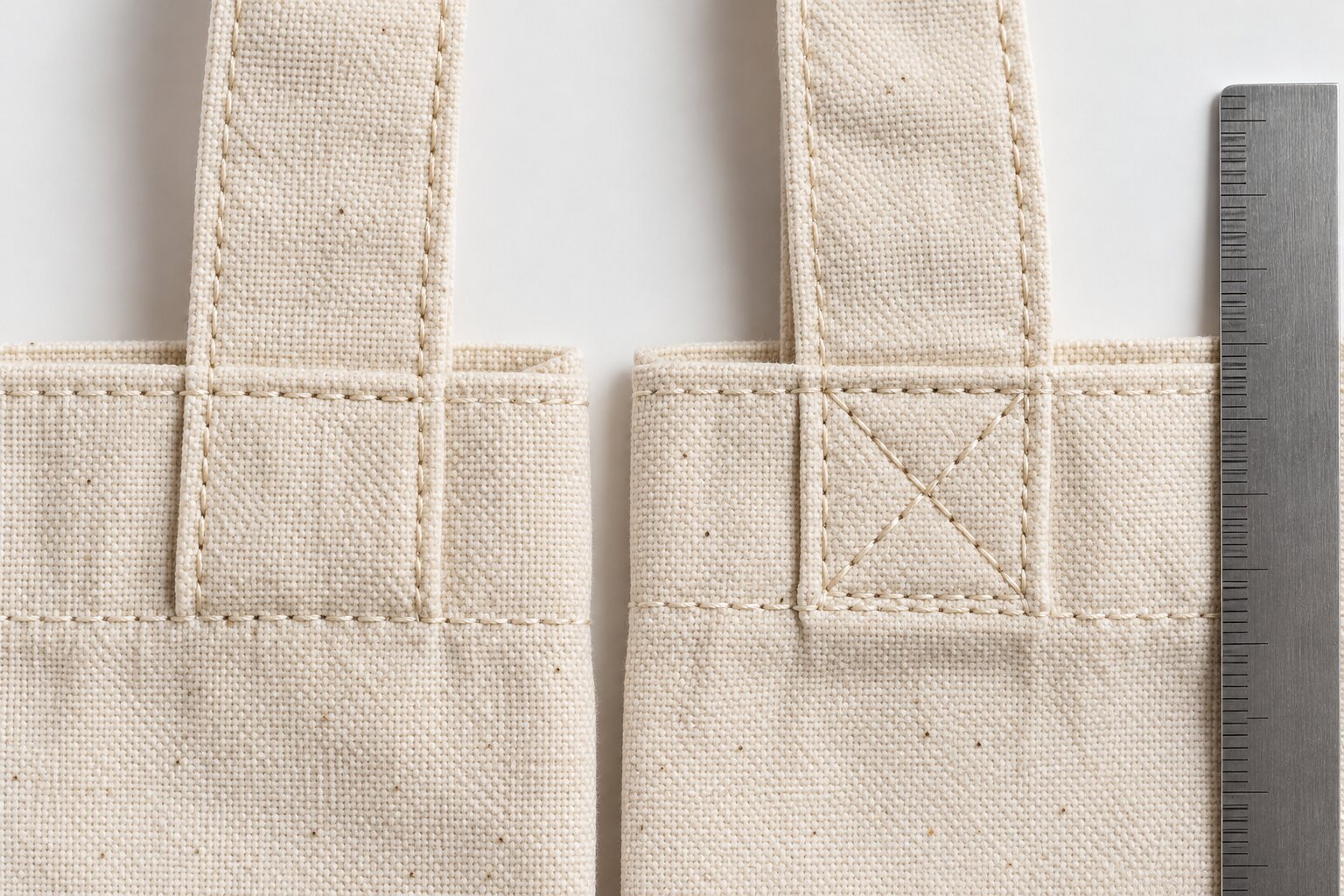
Ask suppliers to identify deviations in their own response. That helps distinguish a deliberate alternative from an accidental omission. If the original requirement is unnecessary for your intended use, you can change it—but do so in the brief so every continuing candidate knows which version now applies.
Keep amendments visible
Suppose you decide to remove individual sleeves after the first round of quotes. Send a revised brief with a new reference or revision label, rather than mentioning the change only in one conversation. Ask each continuing supplier to state which version its revised quotation covers. The later price then has a defined basis.
Keep the earlier brief and quote as superseded records, separate from the current working version. Deleting them can make a later message impossible to understand. Leaving both versions in circulation without a clear status creates the opposite problem: a colleague may approve the old packing arrangement while you believe it has already changed.
Changes to quantity, printing, materials and delivery requirements can affect different parts of the offer. Ask what changes and what stays the same. A lower price after removing a feature is not a like-for-like discount. A faster schedule after accepting stock material is not the same proposal as custom production.
Alibaba's purchase-order guidance emphasizes identifying products, quantities and relevant order terms. Apply that clarity early, while the enquiry is still flexible. The purpose is to carry an intelligible offer into the eventual order, not to assume that an RFQ response is itself the final contractual document.
Move to samples deliberately
Choose sample requests according to what you need to learn. A stock sample might show stitching quality or fabric feel, while a customized sample might demonstrate the agreed artwork and packing. Name which role it serves. Receiving a well-made stock bag does not confirm that your revised logo or handle design has been produced.
Before paying for a sample, confirm the supplier, sample description, price, dispatch arrangement and expected differences from the proposed bulk item. Keep the sample reference in the same enquiry file. When it arrives, record observations against the version it was meant to represent, rather than against a brief that changed after dispatch.
For characteristics that need testing or measurement, appearance alone is insufficient. QIMA's product quality-control overview is a useful reminder that product inspection has its own scope. Decide which checks are relevant to your item and destination; a company match and a good-looking photograph answer different questions.
Ask about unresolved production arrangements before treating a sample as confirmation of a factory claim. A trader can arrange a suitable sample, and a manufacturer can outsource a particular operation. Record the proposed work and responsible businesses without forcing every respondent into a simplistic “real factory” or “bad middleman” category.
Close the enquiry cleanly
When a response is ready for commercial comparison, move it to a shortlist with its current quote, company identity, specification and open points. Our supplier-comparison guide covers evaluating those prepared offers. An organized RFQ file supplies that comparison; it should not become a second, inconsistent version of it.
Tell the selected supplier which offer and attachments you want carried into the order. Confirm any remaining changes through the appropriate transaction record. If you plan to use a platform protection programme, read the current conditions for the actual order and payment route. Neither receiving an RFQ response nor saving an impressive profile activates every possible protection.
- Keep the brief and its latest revision identifiable.
- Attach each response to a storefront and named business.
- Mark alternatives and unanswered requirements explicitly.
- Request samples for a defined purpose.
- Carry the agreed version into the final order.
If a Mainland supplier's identity is still open, search its Chinese company name or USCC before advancing the enquiry. A license image can also be checked with business-license verification. These checks help organize who you are dealing with; the RFQ file then shows what that business has actually proposed.