
Checking a Copy of a Chinese Business License
Check a scanned or stamped Chinese business licence copy against the current company record and decide when to ask for official evidence.
Start with the Chinese legal name or USCC. Confirm the matching company before opening its profile.
A supplier sends a black-and-white copy of a Chinese business licence. A red company stamp has been added in the corner. Your onboarding team wants a document it can keep on file. It also needs to know whether the company on that page is the one taking the order.
Begin with the Chinese company name and its Unified Social Credit Code. Use those fields to compare the copy with the current company record. Treat any stamp as another item to read. It can identify who endorsed or supplied the copy. The current registration needs its own check, even on a copy that looks official.
Read the file you received
Open the full page. Look for the document title 营业执照, the whole code, the Chinese name and the issuing authority. Save the complete image or PDF the supplier gave you so you can go back to it. Messenger previews sometimes soften characters or cut off parts of a wide licence. Ask for the original attachment if you can only read part of the page.
A supplier can photocopy either a paper original or the official duplicate marked 副本. The word on the document describes the underlying official version. The file you were sent may still be a scan of that version. This matters when a recipient asks for a copy of the official duplicate rather than a copy of any licence. Compare what it actually asks the supplier to provide.
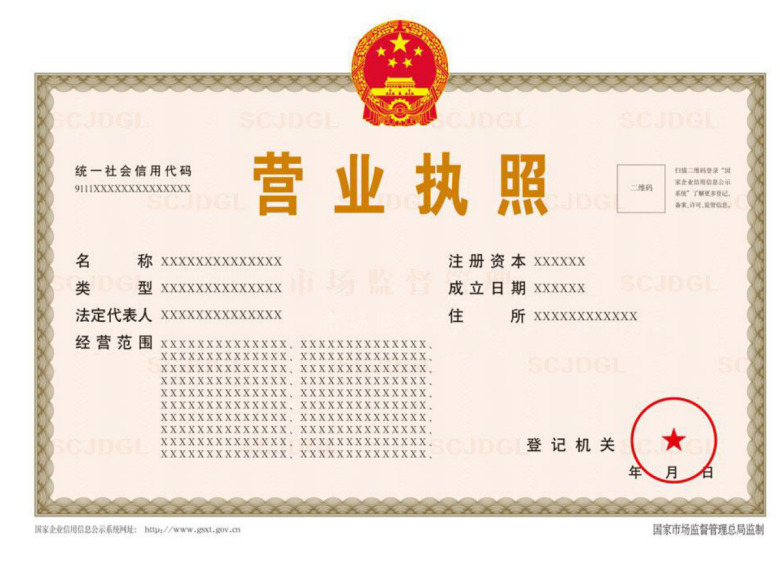
Read the issuer shown on the licence separately from any marking added by the supplier. The national licence printing standard includes a registration authority seal on the licence layout. A company can add its own stamp when providing a copy. Those are different markings, made for different purposes. If the company seal overlaps the code or the Chinese legal name, ask for a clearer copy before typing those details anywhere. SAMR business licence format notice
The company stamp
When a company stamp is readable, compare its name to the full legal name printed on the licence. The English signature in the email can be useful context, but it will often be shorter or spelled differently. Look at the Chinese text on the actual stamp. If the names match, you can record that observation. Whether that copy satisfies the recipient’s document requirement is a separate decision.
If the stamp and licence name differ, ask who supplied and endorsed the copy. A head office may send the licence of a local branch. A trading company may supply a factory’s licence as evidence of its manufacturing arrangement. A company may also have changed its name since the source licence was issued. Find out which entity your company is onboarding before asking for a different stamp. Changing the stamp alone cannot resolve a mismatch between the licence and the contract.
In a hypothetical case, a buyer's supplier contact sends a factory’s licence with the trading company’s stamp. The buyer can identify both registered entities, then ask for the trading company’s licence for the seller file and keep the factory licence in the production evidence. If the trading company is the seller, the approved supplier record should identify that company. The factory details can appear on a separate line in the purchase file.
The public record match
Search for the complete Unified Social Credit Code from the copy. When you type it out, preserve letters and digits and compare the result with the source. The code helps distinguish companies with similar names or related names in the same group. The public result should identify the same Chinese legal name, unless there is a documented name change linking the older copy to the current record.
Compare the fields your review depends on. A registered address, the legal representative and a current registration status can change. If the company name and code match but the copy has an older address, record a possible version difference and look for the dated address change. If the code points to another company, confirm the seller before relying on the copy. These outcomes call for different follow-ups.
ChinaValidate's business licence verification tool can extract information from a suitable uploaded copy and compare it with company data. Use the file that you actually received and check the extracted name and code for legibility before interpreting the comparison. A match provides context about the recorded company information. Keep the original document available if the reviewer needs to inspect a mark or a detail your lookup does not address. Check a Chinese business licence
Common copy problems
A partial or blurred page
Ask for the full page and a clear identifier. Specify which text you could not read. A vendor may resend the same preview unless they know to attach the source file. If a copy includes a watermark added for a specific recipient or purpose, check that the recipient is yours and that the essential fields remain visible. Where a third party explicitly requires an unobscured copy, give that instruction to the supplier.
An older licence
Ask whether the older copy relates to an earlier order or was sent by mistake. Keep it when it helps explain an old contract name or address. For a new purchase, ask for the current version and compare it against the current record. Note the actual licence date, the date you received the scan and the date of your lookup separately.
A different company
Trace how each company relates to the order. The entity that issued a licence, the company whose name is on the stamp and the buyer’s contracted seller should be identified separately. On the licence the issuer is the registration authority. In the vendor file, the seller is the company named on the transaction documents. If the supplier explains that an affiliate or branch is involved, record what it does and ask for the document that belongs to that role.
A different licence layout
A copy can be genuine even when its layout differs from an example you found online. SAMR changed the items shown on several types of business licence in 2022. For instance, certain licence formats no longer display a business or operating term. Company type can change which labels appear. Use an official example to locate fields, then check the actual company in the register. A field that is absent from your copy may appear in the broader record. SAMR changes to licence particulars
A side-by-side check is useful when a supplier sends two copies. Set them in order by the dates shown on the documents. Compare the Chinese name, code, address and type. If only the scan quality and added stamp differ, choose the copy your recipient can read. If a registered field changed, record which version is current and confirm it with dated evidence. Keep the earlier copy if another transaction used that version. Overwriting it makes it harder to explain why an older purchase order shows different details.
A request for official evidence
Check what the bank, marketplace or procurement portal accepts. Requirements vary by recipient and use. Some ask for a stamped copy, and some ask for a verifiable electronic licence or another form of certification. If the third party calls it a certified copy, confirm who needs to certify it. An upload field may use the same English label for documents with different verification requirements.
The electronic licence
Where a verifiable credential matters, ask the company to present its official electronic business licence through the permitted route. China’s rules establish the electronic business licence as an official electronic certificate. A screenshot of it is convenient for reading the name and code, while the presentation and verification features are available through the official system. Ask how the recipient wants to receive it before requesting another screenshot. Electronic business licence rules
If the copy includes a QR code, retain the full page alongside any scan result. Some codes help direct you to company information. Compare the result with the human-readable name and code before relying on it. If the image cannot be scanned, a manual lookup by the complete code can still answer the identity question. A readable lookup and an official credential check can both be useful in the same review.
A decision you can record
Write down the source of the copy, whether the supplier’s stamp was readable, the company you matched and the date of the lookup. Then record your decision for this use. One copy may be sufficient for your internal first check and still need follow-up for a bank submission. Keep those decisions separate so they do not become a general approval of every document the company supplies later.
If something is missing, ask for it directly. For example: “Please send a full copy of the current business licence for the company signing this order, with the Chinese legal name and Unified Social Credit Code clearly visible. The stamp on the file you sent shows a different company. Could you explain which company supplied the copy and which company is the seller?” A precise request gives the supplier an opportunity to resolve the actual gap.