
Find Chinese Manufacturers by Product
Turn a product name or drawing into search terms, use the Canton Fair catalogue to find candidates, and confirm who would make and sell your order.
Start with the Chinese legal name or USCC. Confirm the matching company before opening its profile.
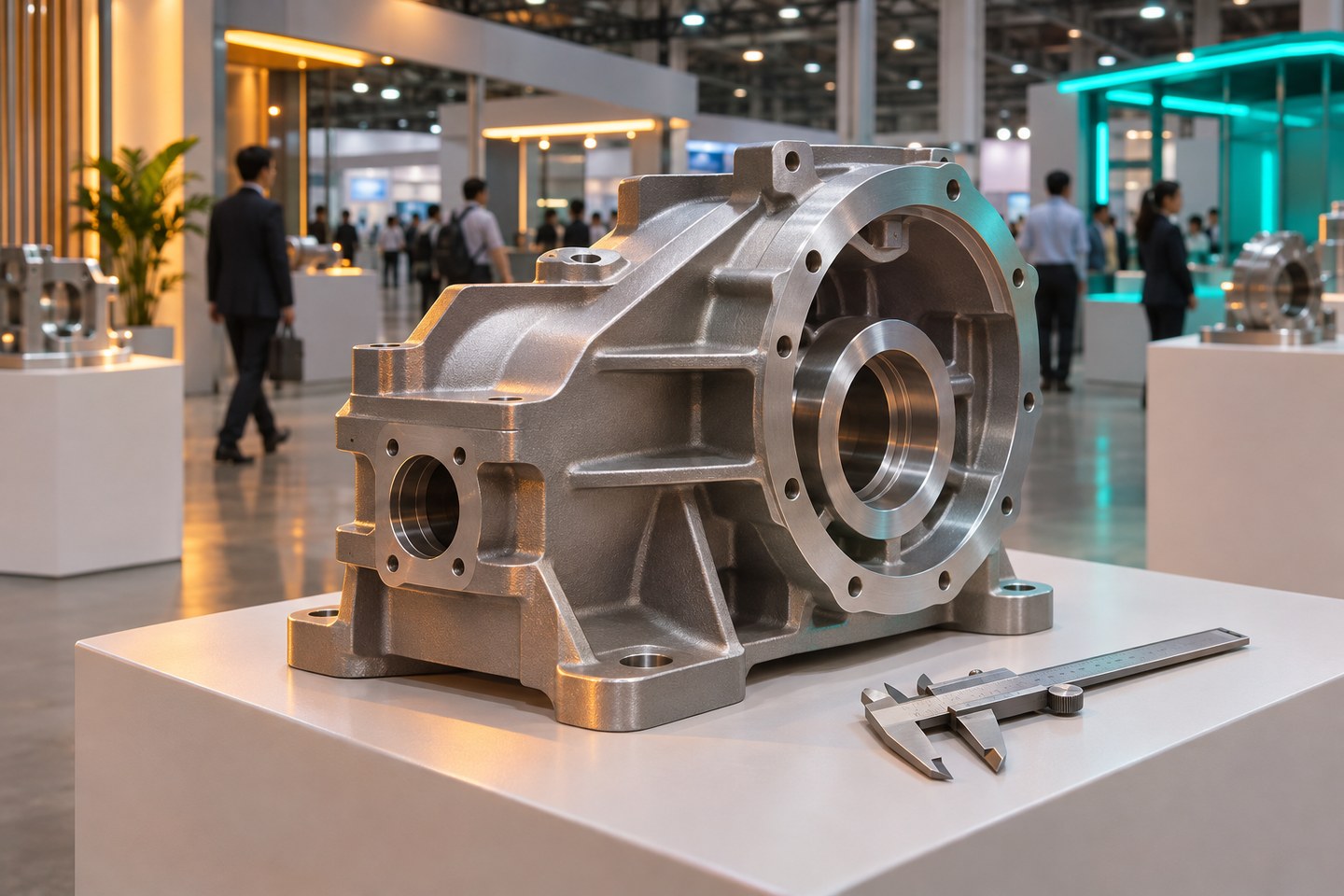
If you have a product name or a component drawing but no supplier name, start by identifying what you need made and which manufacturing steps matter. Search for the product family and for a distinguishing material, feature or process. Use product categories to find related terms and companies, then ask each promising candidate whether it makes the item, makes a similar item to order, or only sells it. Request the registered Chinese names of the proposed maker and seller before putting a company on the shortlist.
Search terms from the specification
Take the product name, material, important dimensions and intended use from the current drawing or purchase description. Separate requirements that would change which companies you contact from details you can confirm later. A description such as “stainless cable clip” lets you find the product family. “Stamped stainless steel cable clip” can help you find businesses that name the expected operation in a catalogue. If the drawing only defines the finished geometry and material, test process words as search clues and ask suppliers what method they propose.
For a custom part, you can start with a generic description and a non-sensitive detail such as the material. Save the exact drawing and revision for a controlled request to shortlisted companies. A photo of the finished assembly can help someone understand the application, but the part you intend to buy may have a different trade name from the assembly. In that case, write both names in your notes and try the component name on its own. Record the part of the description that must match every response, such as the mounting pattern or the interface with a mating component.
Prepare a short set of queries in English and Chinese. Search one main product term at a time. Add a material or process when the results are too broad. If the first query misses useful companies, remove the least important qualifier or use another common name for the part. A term for a component can also lead to finished kits and retail accessories. Check which unit is actually offered before deciding the search is useful.
| Search approach | Example terms | What to look for |
|---|---|---|
| Product family | cable clip · 线缆固定夹 | Listings for the same type of part, plus terms sellers use for it. |
| Material and product | stainless steel cable clip · 不锈钢线缆固定夹 | Items made from a relevant material. Ask about the exact grade separately. |
| Process and material | stainless steel stamping parts · 不锈钢冲压件 | Fabricators that may make the part to a drawing even without an identical catalogue item. |
Keep the useful terms next to the result that taught you the wording. When a seller describes a similar clip as a clamp or a mounting clip, check the photos and description before adding that synonym to the query list. A term that broadens one search too far may be useful when combined with the material or application. If you need both a finished catalogue item and a made-to-drawing alternative, keep those two requirements visible in your enquiry so replies can be compared on the same basis.
Change the query if it keeps finding the wrong kind of business. For a clip bought as a loose component, catalogue pages selling complete cable kits can still teach you the name of the part, but compare separate component listings before contacting suppliers. If the part has a unique shape and no familiar name, try words from a related assembly and a likely production process. Keep a broad search to learn the vocabulary and a narrower search to check for plausible makers. Record which result prompted each change so you can reproduce a useful query later.
Product entries in trade-fair catalogues
The Canton Fair official site is one place to look for product listings and the exhibitors associated with them. Its search guide describes product, exhibitor and booth searches, as well as a category view for finding exhibits. Look for the product entry point for the relevant edition. When the design is common, try the product name or material and compare the descriptions. When a term gives little back, browse the closest category to learn what the catalogue calls similar goods, then search those names. Keep the category, result URL or reference, and edition if shown.
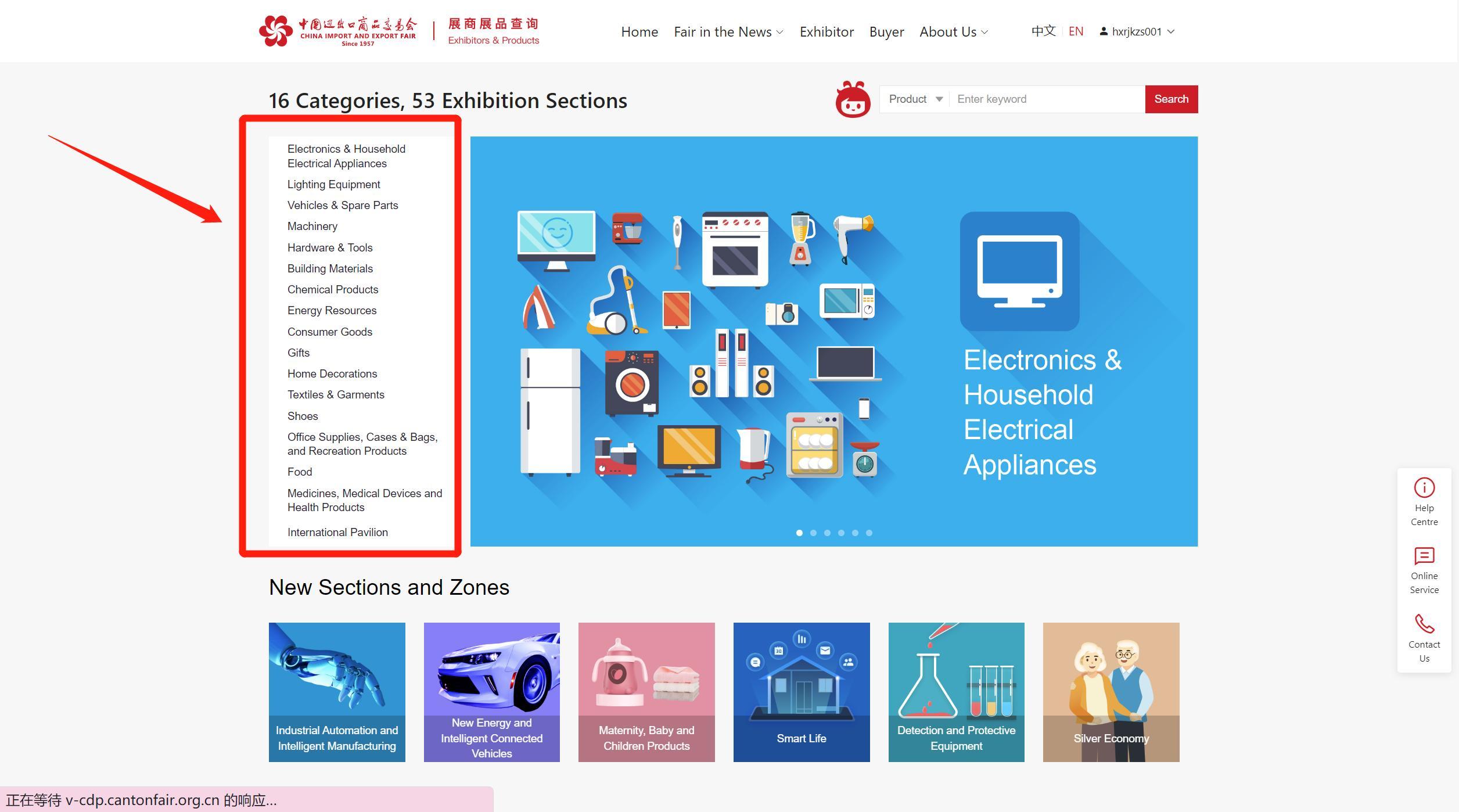
Open a promising product entry and follow its exhibitor reference if available. Keep the actual product listing with the exhibitor name, because one exhibitor can show several families of products. Note why you kept the entry. A catalogue may give you a part of a similar size or a company that supplies the same process to an adjacent market. The listing provides a lead. Ask the exhibiting company who makes that item, whether it can supply your specification and who would sign the purchase agreement.
Use the same questions for a supplier directory or a trade association list. If the directory names a brand, agent or exporter, keep that description and ask who manufactures the specific item. If several listings reuse a photo, keep the listings and ask each contact for the product reference and maker. The shared photo by itself gives no reliable answer about which companies are connected. If the catalogue lead falls outside mainland China, record that scope and continue your mainland search using the actual Chinese registered names of the relevant candidates.
A comparison built from supplier replies
Send a brief enquiry using the same product description, sample requirement and intended order quantity for each candidate. Ask for an existing item reference if a catalogue product meets the requirement. For a custom product, give the drawing revision number at the point when you share the drawing and ask the supplier to say which details it has reviewed. Ask what it can supply as quoted, what would need a change, and what it would have to confirm before making a sample. Keep the different answers instead of recording all respondents as manufacturers of the same part.
We are sourcing a stamped stainless steel cable clip. Please confirm whether you make a suitable catalogue item or would make it to our drawing. Tell us which company will make the clip, where it will be produced, which steps you subcontract and which company will sign the order. Send the catalogue reference or confirm the drawing revision your quotation covers, and tell us if the required material or dimensions would change.
Put each answer beside the listing that led to it. A catalogue item that needs no tooling and a part that will require a new die may both be suitable, but they are different proposals. Keep the exact item number, any material or dimensional deviations, the proposed process and the reply date. When one company responds through several contacts or differently translated names, preserve the separate replies until you have enough information to identify the company behind them. One company can offer several useful options without becoming several independent candidates.
Use quantities to make replies comparable. A contact may confirm it can send a few samples from stock while its quote applies to a different minimum production quantity. Ask which quantity is already available, which would need a production run and whether it can quote both. If you want suppliers to suggest another material or finish, ask them to state it as an alternative and keep the original requirement in the enquiry. A short written reply tied to the drawing is more useful for a shortlist than a general statement that the company handles custom orders.
A cable clip with two sourcing routes
Suppose a buyer has a drawing for a stainless cable clip with a specified hole pattern and deburred edges. A search by the finished part name returns a supplier with a standard clip. Its product drawing shows a different hole spacing. The supplier offers to send the catalogue item for a sample. The buyer keeps it as a possible substitute and sends the dimensional difference to the engineering team for a decision. The catalogue result usefully identifies a product, even though the first response does not yet satisfy the drawing.
A search by the proposed stamping process returns a metal parts exhibitor without a matching ready-made clip. The company confirms it can quote to the drawing and identifies a factory that would stamp the parts and a second site for edge finishing. It asks the buyer to confirm the quantity and material grade before pricing tooling. This is a candidate for custom production. The buyer records the roles, the unspecified details and who would issue the quote, then compares the proposal only with other offers for the same drawing and scope.
Both paths can uncover a useful candidate. Where a ready-made item is close enough, get the actual product specification and written approval for any variance before ordering a production lot. Where the supplier proposes new tooling, record which production steps and sites the quote assumes, and what will be confirmed at the sample stage. If a contact supplies only a generic brochure or an unrelated sample, ask for a reply tied to the part. Retain that lead in the search file without marking the requirement as met.
The companies behind the shortlist
Ask the proposed seller for a current business licence, with the company name under 名称 and the Unified Social Credit Code under 统一社会信用代码. Ask for the maker’s registered Chinese name, code and actual production address when a different company makes the product. Use a China company search to check the names or codes and compare the results with the written offer. If the seller is an exporter or trader and another entity manufactures, preserve both records and ask who will be responsible for the product, sample approval and any change to the agreed factory.
At this stage, a company match confirms the identity behind a response. It tells you who to check next for the product and production site. A catalogue photograph, an exact registered name and a clear quotation do not establish how the company will manufacture the required quantity. For shortlisted candidates, use a manufacturer capability check to review the facility, the proposed production process and the evidence for your required volumes and specification.
Keep the shortlist tied to the requirement that started the search. For each candidate, save the product or process term, the listing, the written answer, the confirmed maker and seller names, and the basis of any quote or sample offered. Keep a lead with insufficient evidence as open, and record the specific reply you need. For the clip example, it might be the exact hole spacing of a stock part, or the proposed stamping site for a custom part. A colleague should be able to pick up the file and see what is ready for a price comparison, a sample request or a manufacturing check.