
Find a Chinese Factory on a Map
Use a Chinese factory’s site address to find it on Baidu Maps. Confirm the building, operator and correct gate before a visit, inspection or pickup.
Start with the Chinese legal name or USCC. Confirm the matching company before opening its profile.
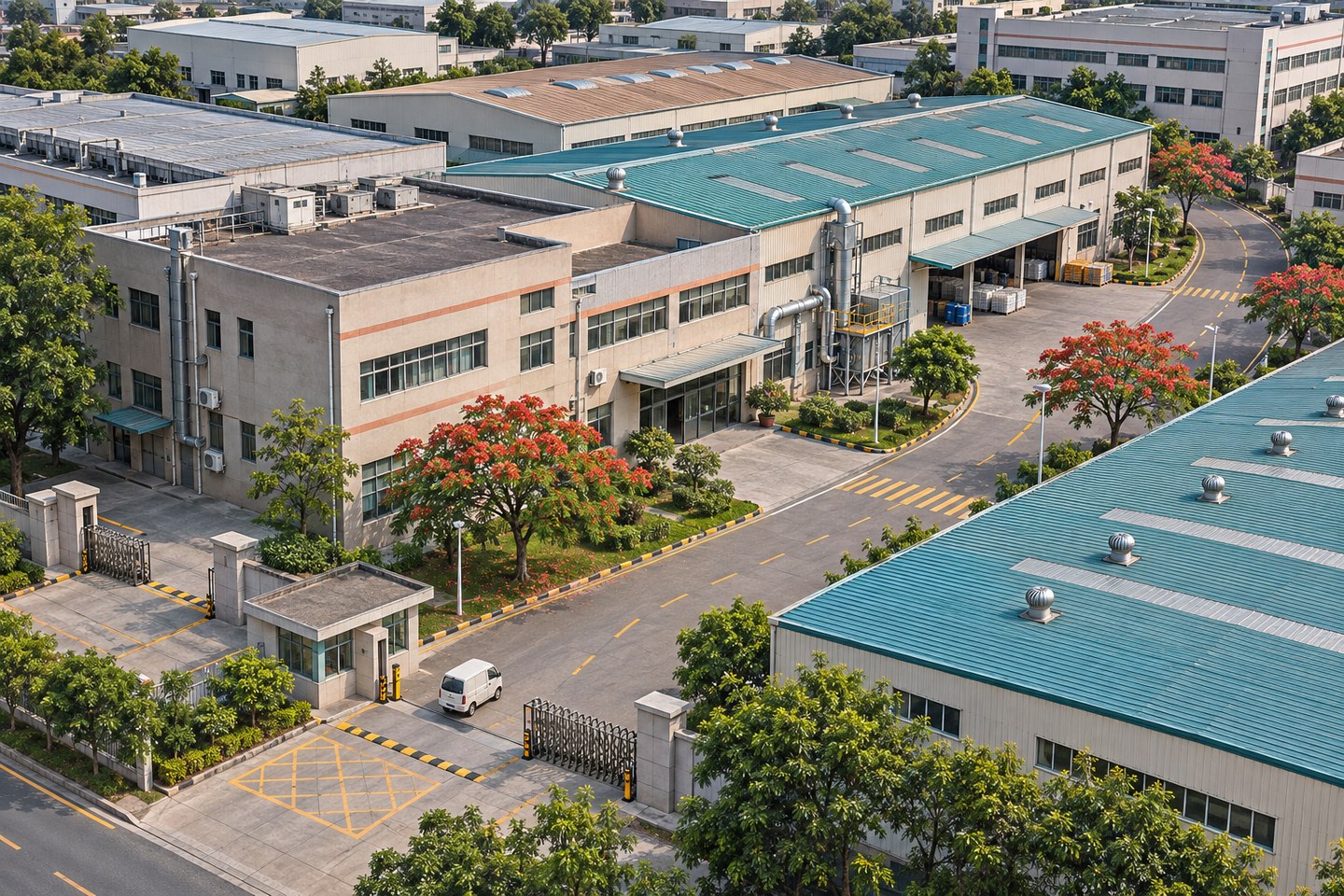
To find a Chinese factory on Baidu Maps, ask for the full Chinese address of the site you will visit and a pin for the entrance you should use. Search for the factory’s Chinese name in the right city, then compare the result with the address and pin. In an industrial park, the map can take you to a management office or the main entrance while your appointment is in a numbered building reached from another gate.
Start with the reason you are going. The factory visit, sample collection and truck pickup for one order can have different destinations. Get the name of the company that operates the site and identify the place where your particular activity will happen. Then check the map against those details. That gives you a destination that a visitor, inspector or driver can use.
The address for this visit
Ask which Chinese company will host the visit, show the production line or hand over the goods. Use its full registered Chinese name and Unified Social Credit Code (USCC) in a China company search. Compare the result with the company named in the supplier’s documents. When a trading company arranges the appointment, keep its name as the seller or organizer and the site operator’s name as a separate entry. Ask for both if you have only a brand name in the appointment message.
Copy the address your contact gives you for the activity. Ask for the city, district, street and number, plus any park, building, floor and unit. For a factory site, the Chinese name of the industrial park (园区) or the factory compound (厂区) may be how a driver recognizes the place. If the contact gives a short name for the park, get the spelling used on the sign. Save the Chinese address next to any English rendering. The English version can omit a building number or give a different translation of the same park.
Keep the registered address on its own line. Article 8 of China’s market entity registration regulation includes domicile or principal place of business among the general registration particulars. The registration helps establish the company and its recorded address. A visit instruction should identify the premises and entrance for the event itself. When the addresses differ, ask whether you are going to the company’s own factory, a branch, a contract manufacturer or a warehouse. If the supplier says registration recently changed, ask for the applicable dated change record. China’s market entity registration regulation · Guide to checking a Chinese company’s registered address
Factory and park results on Baidu Maps
Open Baidu Maps and start with the Chinese factory name plus the city or district. Compare the result’s name, address and displayed position with your site address. If the search returns several similar names, select the ones in the right district and check the road and building details. Use the Chinese name your contact actually gave you. If a supplier says the site appears under an old name or a park tenant name, ask the contact to point out that result and explain the connection.
Search for the street address separately. Baidu’s place search documentation distinguishes street-address information for structured queries from named points of interest (POIs). A place result can carry its own name, address and position. An address result can help you find the street number even if the company has no listing there. A park POI may give you a good area to start from, while a tenant or an entrance may have a separate result. A result for the road or park alone leaves the building and gate to confirm. Baidu Maps place search documentation
If the company name fails, try the Chinese park name with its district, then the road and street number. Within the park, compare the building number or letter with the supplier’s directions. Save the name of the result you chose and note whether it marks a company, park, building or entrance. A pin can still be useful for finding a place whose tenant name does not appear. Ask the contact to mark the specific building and usable entrance on the same map if you cannot place them from the available results.
Open a shared map link in the provider it came from and compare the place name and the approach. If the sender gives you only coordinates, ask which map and coordinate system they used. Baidu’s developer documentation distinguishes its BD-09 coordinates from GPS coordinates in WGS84 and explains conversion for its own API. If two maps put the same numbers in different places, first ask for a shareable pin and Chinese street address before deciding there are two sites. For a driver, the approach road and gate name are often more useful than a bare coordinate pair. Baidu Maps coordinate system documentation
The entrance and handover point
Check where the route actually ends. A passenger entrance may be at reception on the main road. A truck can be sent to a separate gate on a side road, then to a loading bay used by several tenants. Ask for the gate wording as displayed, the road it opens onto and the building or bay after entry. For a person on foot, ask whether security expects visitors at a particular desk. For a pickup, confirm the collection point for your order reference, the appointment window, and who can release the goods or samples.
Compare an available street-level or aerial image with the written directions if it helps identify the approach. Read the image date if it is displayed and record the date you viewed it separately. A row of buildings, an access road or an older sign can help orient you. A photo may predate the present tenant or a change of gate. If the image has no date, use it as a visual reference and ask the host for current directions. A POI marked open gives you a map status for that listing. Confirm the actual appointment and access with the host.
If you receive a photo of a gate or building sign, ask when and where it was taken and compare the wording with the directions. A sign at a shared gate may show the park name and several tenants. A sign on the building makes the last part of the route easier, especially if the Chinese characters differ from the map label. If the guard checks a visitor or vehicle booking, have the host confirm the name under which it is booked. Put the booking name and the sign text in the arrival information.
Send a request your contact can answer in one message. Adjust the last sentence for a visit, inspection or collection. Keep the reply with the order and share the arrival details with the person making the trip.
Please confirm where to go for [visit, inspection or pickup] on [date] for order [reference]. Send the site operator’s full registered Chinese name and the complete Chinese site address, including the park and building or unit. Please share a Baidu Maps pin for the entrance we should actually use and tell us the gate name, the road it is on and who will meet us. If a vehicle needs to register or use a separate entrance, please confirm the procedure and the collection or meeting point inside.
A sample inspection and pickup
Suppose a trading supplier asks a buyer to send an inspector for a pump housing sample. A driver will collect the approved sample later the same day. The seller’s license gives an office address, while the appointment names a factory in an industrial park. Searching for the factory’s Chinese name in the city brings up the park and an older listing with a similar name. The buyer saves the two results, verifies the seller and factory operator under their separate Chinese names and codes, and asks the factory to confirm the building for the inspection.
The factory sends a complete site address for Building 3. It provides an east gate pin for the inspector and a south gate pin for the driver. The east gate is for visitors and the south gate leads to a shared loading area. The buyer gives the inspector the building number and the site operator’s name. The driver gets the south gate directions, the pickup reference and the bay to use after checking in. Both have the same site address and different arrival instructions. If the factory says the sample will be sent to a forwarder instead, the buyer asks for a separate pickup address and confirmation that the sample bearing that reference will be there.
At the site, the inspector checks which company is hosting and notes the building, date and batch or order reference. For a sample inspection, the report can connect the inspected sample to that appointment and location. If the order requires approval of the production site, the inspection brief should also ask who operates the line, which steps happen there and which records connect the intended order to that site. The map helped the inspector arrive. The observations and production documents answer the questions about the factory and the order.
Details to confirm before dispatch
Contact the supplier again when there are two plausible parks, the pin ends at a different building, or a visitor and a driver have been given the same pin without access instructions. State the exact discrepancy and ask for the current address and entrance for the event. For example, tell the supplier the map link ends at the park office while the written address specifies Building 3. Ask which road and gate the visitor should use and where to meet inside. A correction to the directions can be enough to resolve a routing issue.
Use a qualified inspector or auditor when your decision depends on who runs the site, which production steps happen there or whether it can make the quantity required. Give them the names and addresses you have, the purpose of the visit and the product or order in question. Ask them to identify the company they met, the premises they entered and the evidence they were able to inspect. If the supplier offers a substitute site, confirm what it will do for the order and have the person responsible for supplier approval review the change before relying on a prior visit or report.
If the address is still ambiguous close to the appointment, ask the host for a meeting point it can describe from the nearest public road. For a collection, have the dispatch team confirm the inside loading point and whether the same vehicle can use the indicated gate. If they cannot confirm the building or the pickup point, keep that item open with the driver or inspector before they set off.
Leave one dated arrival note with the purchase file. Include the registered company and address, the confirmed site operator and activity address, the map provider and link, and the building and gate where people should go. Add the person or team who confirmed the arrangements and when. For a pickup, include the order or sample reference and the handover point. If the premises or operator changes before the appointment, check which instructions need updating. Keep a visit report or proof of collection with the note when the activity is complete.