
Chinese Company Distributor Verification
Confirm the mainland seller, check its distribution authorization with the brand and establish who will handle warranty claims for your order.
Start with the Chinese legal name or USCC. Confirm the matching company before opening its profile.
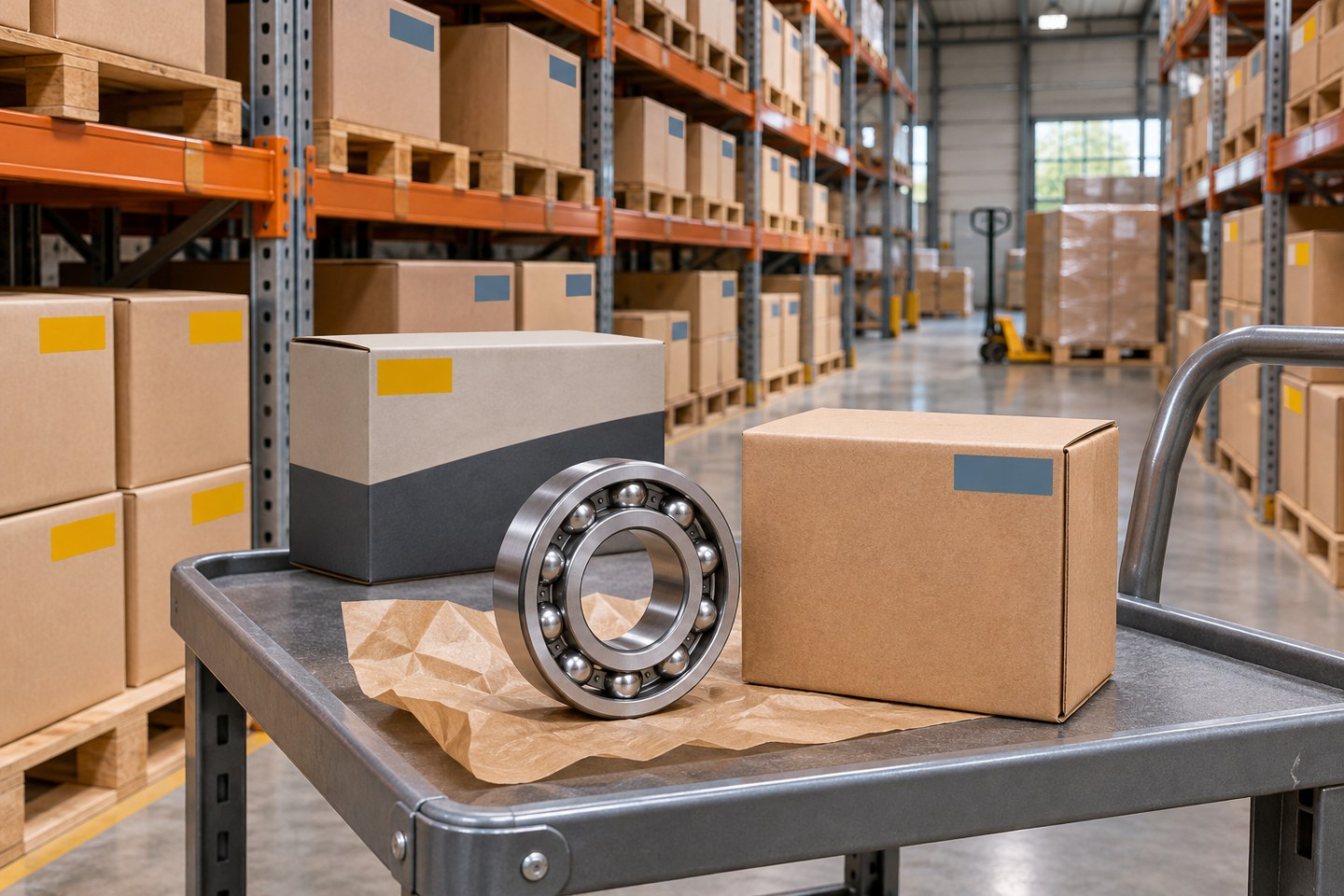
If a Chinese supplier says it is an authorized distributor, get the full Chinese name of the company that will sell to you and the exact product code on the quote. Contact the brand through its own website or published distributor service and ask whether the authorization covers that company, product and intended market. Ask separately who will handle warranty and returns. A brand’s answer about a distribution relationship and a seller’s promise to support your order are different pieces of evidence.
Use the order as your starting point. Are you buying parts for a machine in China, shipping stock to an overseas site, or buying for resale? Give the brand the intended delivery and use or resale location where they differ. A valid appointment for sales through one channel or in one market may leave your proposed order or service location outside the scope described. Confirm the scope that matters to your purchase before you book the stock or commit a deposit.
The company that will make the sale
Ask for a written quote naming the seller, its current business license, and the full Chinese name and Unified Social Credit Code (USCC). Check the name and code through a China company search and compare the result with the draft order. The Interim Regulation on Enterprise Information Disclosure provides for market regulation departments to publish the registration and filing information they generate in the National Enterprise Credit Information Publicity System. Use the registration evidence to establish the identity of the mainland entity. Distribution status is a commercial relationship to verify with the brand or the channel that appointed the company. Interim Regulation on Enterprise Information Disclosure
A shop name, sales team or group website may refer to several entities. If the brand directory lists the group’s main company and the quote gives a subsidiary or local branch, ask which entity will accept the order and why its name differs. Request the full names of both parties and written confirmation of the sales arrangement before relying on the directory entry. A reference to the distributor’s own opening hours, address or sales staff can help find the right office. The name of the legal seller is the field to carry into the contract.
Ask the seller to identify any separate invoice issuer, exporter or payment recipient. Keep the roles on separate lines. If a different company says it will take the order or collect payment, compare that plan with the original quote and obtain the applicable written explanation and payment approval. A distributor can remain involved in the supply chain without becoming your contracting party. Your agreement should say which company owes you the goods and the agreed support.
The brand’s confirmation
Open the official brand website independently of the link in the quote or sales chat. Look for the distributor finder, regional office or sales contact. Use the directory to locate a possible match and note the date, geography, displayed name and any category or service label. A name that appears on the official site is a useful reference for asking the question. An empty or incomplete result is a reason to use the published brand contact and give it the full name, location and claimed status.
For example, SKF’s China authorized partner finder lets visitors search by province or partner name. SKF’s own distributor guidelines describe its authorized industrial distributors as a channel serving industrial end users with SKF products. The description and the finder give you an official route for checking a claim about an industrial supplier. Ask SKF whether the specific mainland seller and product line are covered for the order you propose. A listed partner’s status leaves the scope of any particular part number, transaction and service terms to be confirmed. SKF China authorized partner finder · SKF distributor guidelines
Ask the seller for a current letter, certificate or extract showing the relevant scope and the authorizing entity. A logo or trade show badge gives you a claim to check. A document can be old, relate to another entity or apply to a different product line. If the distributor says it cannot send the full agreement, ask for the applicable part or written confirmation from the brand without asking for confidential pricing or unrelated terms. Use contact details from the brand itself to follow up, rather than relying on the email address printed on the sales letter.
We are considering a purchase of [product and part number] from [full Chinese registered seller name, code and location] under quote [reference]. The goods will be delivered to [place] for [use or resale, with location]. Please confirm whether this company is currently authorized for this product and sale, and whether that scope covers the intended market and order date. Please also tell us which entity can handle a warranty claim for the stated destination and what documents that entity would require.
Save the reply with its sender, date and reference. If the answer confirms only a trading name or a city, ask the brand to confirm the company on the order or identify the named entity through a reliable matching detail. If the seller provides an authorization showing another date or scope, send the specific discrepancy to the brand contact. For orders involving manufacture or use of the brand’s marks, the guide to a supplier’s brand authorization covers the separate permissions that can matter.
The scope in the order file
- Entity and channel. Match the registered seller to the holder named in the appointment or to the reseller arrangement the brand confirms. Confirm whether the channel covers the kind of sale you are making, such as a direct sale to an industrial user or resale through your own business.
- Product. Compare the quoted part number, product family and any version or regional variant with the scope that the brand confirmed. If the order includes an accessory or separately priced service, ask whether it falls under the same arrangement.
- Territory and dates. Record where the seller is appointed to sell and which location the brand treats as relevant to this order. Confirm the effective period and the expected order date. Ask how a pending renewal affects this order when it will be placed or delivered near the end of the appointment.
- Warranty and returns. Identify the party offering the warranty, what the terms cover, the evidence required to open a claim, the return or service location, and who bears the transport cost. Get the applicable terms in writing before approving a price that assumes access to that service.
When the seller buys from an authorized distributor or says it is a sub-distributor, ask for the name and role of the upstream company and the basis for the seller’s claim. A receipt or supply confirmation can connect a shipment to the upstream channel. It describes a supply route. Ask the brand whether the relationship includes the claimed right to sell under authorized status, including the named seller, products and market. If the upstream company can appoint others, ask for relevant documentation of that permission and its scope. Keep any confirmation limited to the names and roles it actually covers.
An independent or parallel seller may instead offer stock sourced through another channel and give its own warranty terms. If that is a permissible option under your purchasing requirements, ask for the sourcing documents you need, the product identifiers you will check at receiving and the written returns terms from the party that will honor them. Check separately with the brand whether its service is available for that stock in the intended market. A public directory result cannot decide the legality, authenticity or after-sales eligibility of a specific parallel sale. If your order requires manufacturer-backed service, obtain confirmation for the actual units or sourcing route before relying on it.
When the brand and seller offer different remedies, compare them against the cost of using each one. A seller might agree to return a faulty unit to its own warehouse in China while the buyer needs local replacement stock or an on-site visit. Specify which service matters and ask who arranges it and within what time. If the agreement covers replacement only, record that scope and price the order on that basis.
A parts order with a service requirement
Suppose an equipment buyer receives a quote from a mainland trading company for a branded bearing assembly. The seller sends a photo of an authorization certificate that names another Chinese company in the same city. The buyer needs warranty support for a machine installed abroad. The brand confirms through its published contact that the company on the certificate is appointed for the relevant industrial product line in mainland China. Its reply does not address the trading company on the quote or service in the destination market.
The buyer checks the registration of the trading company, then asks for the seller’s relationship to the distributor and the documents connecting the quoted units to the distributor’s supply. The buyer gives the brand the intended final location and asks whether the warranty applies there and which service team would accept a claim. The seller provides its own return terms. The buyer asks for a return address, the starting date for the warranty term and a list of the invoice and product records required. This allows the buyer to compare the offer as written with the maintenance team’s stated requirement.
If the brand confirms service for the intended order and the evidence ties the units to that channel, record the response and incorporate the applicable terms in the order file. If the seller’s own warranty is the only one confirmed, describe it that way and let the responsible reviewer decide whether it meets the requirement. If authorized-channel purchase is mandatory, invite a quote from the distributor that the brand confirms for the product and destination. A different purchase route still needs to identify the legal seller and the service terms it is offering.
The evidence carried into the purchase
Write the verified registered seller name, product reference, quantity and intended market into the purchase file. Attach the brand reply, relevant scope document and the warranty terms accepted for that purchase. Use the same product identifiers on the purchase order and the documents you will check at receiving. If your process calls for serial, lot or packaging verification, agree what the seller will supply and how you will handle discrepancies at delivery. For an order covering several models, identify which ones each confirmation covers.
Check any substitution against that evidence. A new trading entity, a different warehouse channel, a change in product version or a new destination can change what the brand has confirmed. Recheck the affected line rather than reusing an authorization or warranty statement that refers to a different order. If service matters over time, retain your invoice, order reference and the product label or serial records the service provider says it needs. A dated file that names the seller and the party handling a claim makes the next step clear if the goods later require support.