
Company Addresses on Chinese Invoices
Check company addresses on Chinese invoices by comparing the correct buyer, seller, delivery or project address with the record that applies.
Start with the Chinese legal name or USCC. Confirm the matching company before opening its profile.
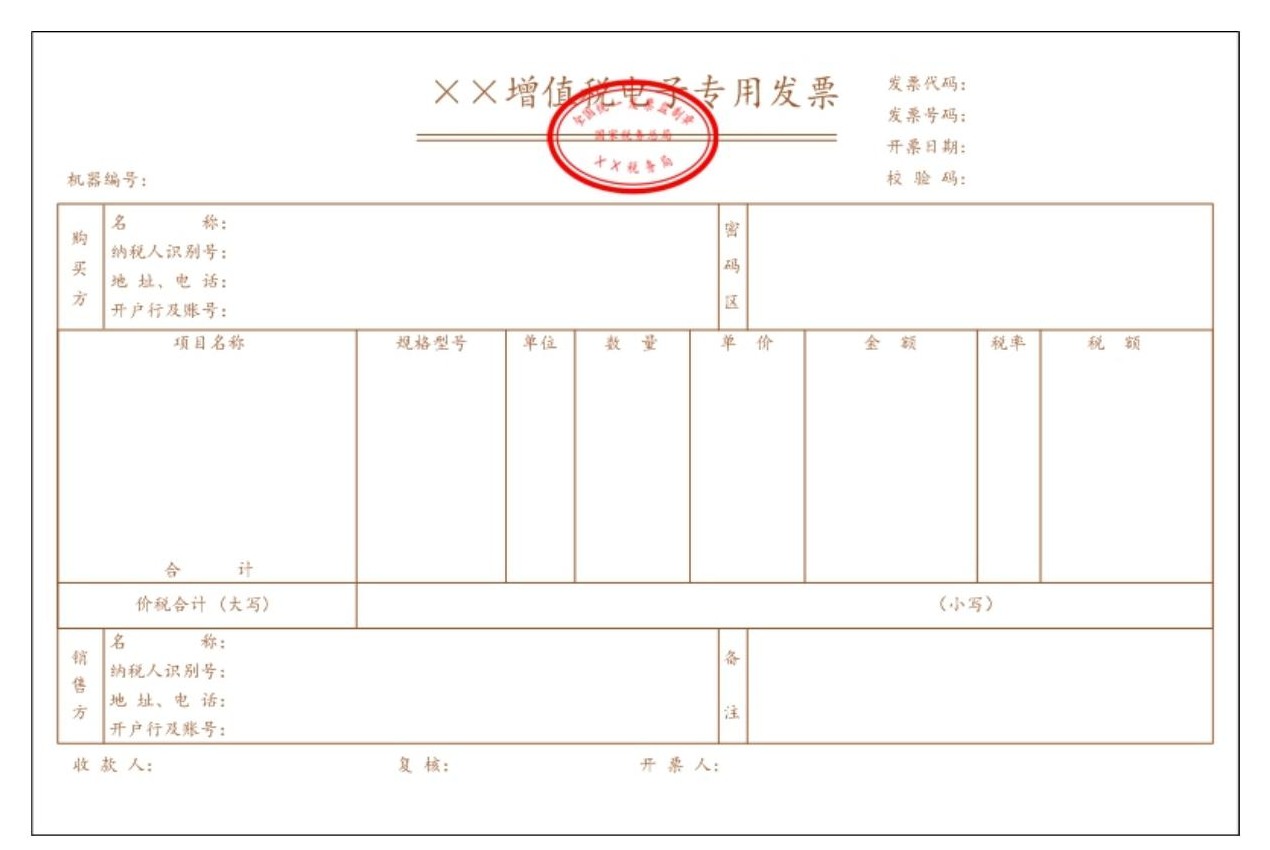
When a Chinese supplier sends an invoice with a different address from the one on its business licence, check what the invoice field describes before asking for a replacement. The older 地址、电话 field means “address and telephone.” An address elsewhere on the invoice might identify the construction site or premises covered by the transaction. A standard fully digital VAT invoice can be complete with no address in either party’s information block.
Start with the seller’s Chinese legal name and taxpayer identification number. Then trace any address to the record that serves the same purpose. This is especially useful when the supplier recently moved, the goods ship from a warehouse, or finance is reviewing an old fapiao alongside a current licence.
Identify the invoice format
A PDF filename does not identify the invoice format. An older electronic special VAT invoice could also arrive as a file and include an address-and-telephone row in both the buyer and seller blocks. The tax authority’s older electronic special VAT invoice specimen shows those rows beside the other party details. When you check such an invoice, keep the buyer’s row and the seller’s row separate. A buyer address mismatch calls for checking your own invoicing information before questioning the supplier’s location.
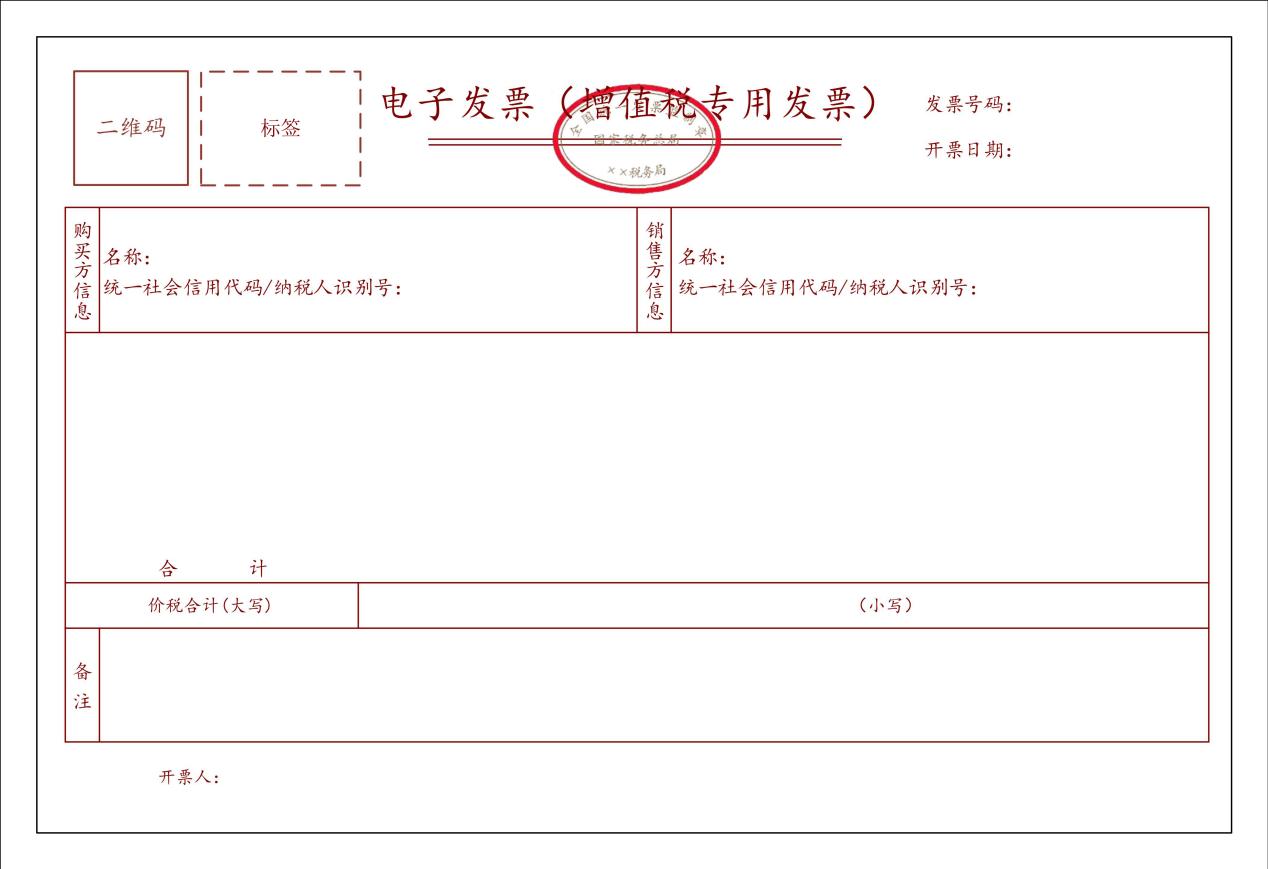
The standard fully digital layout uses a shorter party block. Under the State Taxation Administration’s nationwide rollout notice, the fully digital format uses a 20-digit invoice number, and the standard ordinary and special VAT invoice specimens show the name and taxpayer identification number for each party. An address may still appear in a field tied to a particular business activity. Its position and label tell you what evidence to compare it with.
| Invoice in hand | What to check first |
|---|---|
| Standard fully digital VAT invoice | Read the short buyer and seller blocks. Use their names and taxpayer IDs for the party check. |
| Older special VAT invoice with address and telephone rows | Use the row for the relevant party and ask which invoicing address applied on the issue date. |
| Older ordinary VAT invoice | Check the layout and the information required for that invoice. The buyer’s address-and-telephone row was optional in some legacy ordinary-invoice situations. |
| Invoice with a site or property field | Read the label and compare the location with the transaction documents. |
For an older invoice a supplier sends again, use the date printed on the invoice rather than the date of the email. A copy forwarded today can still have the format and party information in use when it was issued. For a blank field that actually exists on the form, consider the invoice type and the rule that applied at issuance. Shanghai Tax’s guidance for legacy ordinary invoices explains one case in which the buyer’s address and telephone could be left blank.
Give each address a job
Look at the Chinese field label before comparing any translated address line. English versions may rearrange the province, city and district or leave out a building number. Compare the available Chinese text to the right source, then check the parts that affect the decision. A building or room number can matter for a delivery or site visit even when the building is in the expected district.
- Registered company address
- The address listed as 住所 on a company’s registration record. Use a current record for the address registered today and dated registration evidence for the address at an earlier point. Compare the Chinese legal name and the Unified Social Credit Code where shown so the address belongs to the intended entity.
- Invoicing address
- The address used in a legacy invoice’s party information. Start with the address-and-telephone row and ask the relevant party for its invoicing details at the time. The buyer and seller can each have a separate row with its own details. A company’s current website contact page is weak evidence of what was on file then.
- Delivery or returns address
- The location agreed for the goods. Use your purchase order, delivery instructions or return authorization to check which warehouse or receiving point was expected. A freight forwarder’s address can be perfectly ordinary if the order specifies that forwarder.
- Service or property address
- The site covered by a service, the project being billed or the property in a lease. Match this location to the contract, project order, acceptance record or property schedule. A company can invoice for a project in a different district from its office.
When an address search gives you several companies at the same building, go back to the seller’s Chinese legal name and identification number. The address can help locate a record or distinguish two branches after you identify them. It is too weak on its own to show which company supplied the goods.
Take a shipment your supplier has directed to a third-party consolidation warehouse. The purchase order identifies the seller, the forwarding instructions identify the warehouse, and the invoice identifies who issued it. If your buyer details on a legacy fapiao include that warehouse in the address-and-telephone row, ask how it came to be used in the invoicing details. If the same warehouse appears only on the packing list as the receiving point, confirm it with the freight team. Put the invoice issue date, the order number and the delivery instruction together so you can see which address belongs to which record.
A supplier move on an older invoice
Suppose your team receives an older electronic special VAT invoice again during a vendor review. The seller block shows an office in one district. The supplier’s current business licence shows an office in another district, and both records carry the same company name and identification number. The address difference warrants a date check. It does not tell you when the registered move happened or whether the invoice used the right address at issuance.
Write down the issue date, the seller’s Chinese name, its identifier and the address as printed. Ask the supplier’s finance team which invoicing address was in use on that date. If the answer is a move, ask for a dated change record or another suitable record linking the previous and current addresses to the same company. The company registration rules on moving a registered address cover filing a change when a market entity moves. The current record alone may only tell you where it is registered now.
Read the dates together. An invoice issued before the move is approached differently from one issued well after the move using a former address. In the second case, ask the seller to explain when its invoicing information was updated and have finance decide how to handle the document. Keep the move record with the invoice if the discrepancy is material to your review. Do not assume that a new address makes earlier paperwork obsolete or that a company can use its previous details indefinitely.
If the names or identification numbers differ, investigate the party before working through the addresses. A sales rep may have sent the licence for a parent, affiliate or another factory in the group. Ask which legal entity supplied the goods, which entity invoiced them, and what document explains the difference. An address match cannot establish that the companies are interchangeable.
If the supplier can only give you a new licence and an undated letter saying it moved, ask what record can establish the effective date. A dated filing or registry change entry can help, where available. Also check whether the seller account on your purchase order was ever switched to a different company. The registration trail answers where the company was recorded. Your transaction records tell you with which company you placed the order. If either piece is missing and the discrepancy affects approval, give finance a description of the gap instead of recording a match.
An address for the service
Consider an installation order billed by a contractor whose registered office is outside the project district. If the transaction is invoiced on the fully digital construction-services form, look for 建筑服务发生地 (where the construction service took place) and 建筑项目名称 (construction project name). Shanghai Tax’s construction-invoice guidance explains that the details entered in these dedicated fields can satisfy the location and project requirement without repeating them in the remarks.
For that order, find the site and project name in the project schedule or the acceptance paperwork. Compare them with the dedicated invoice fields. Check the contractor’s identity separately in the seller block. A site in a different district from the registered office can make sense. A site in the wrong district for the contracted project deserves a call to the contractor about exactly what the invoice covers.
A similar distinction helps with leased premises. If a unit number or street address is shown with the billed property, check it against the property schedule and the relevant billing period. A landlord’s mailing address is unlikely to resolve a dispute over which unit was rented. For an old invoice, read labeled fields and remarks in the context of that invoice’s own format. Keep the lease or the relevant purchase-order schedule as support for the location you decide the invoice refers to.
Decide what needs correcting
For a standard fully digital invoice with no address in the buyer or seller block, complete your identity and transaction checks using the fields available. If your vendor file also needs a current registered address, obtain it from a company address lookup and keep it as a separate record. A warehouse visit or site inspection requires contact and access details from the responsible team.
If a printed address differs from the record serving the same purpose, send the supplier a precise request. Identify the invoice number and issue date, quote the field label and specify the source you’re comparing. For instance, when the field is in the seller block of an older invoice:
Please confirm the seller address used when this invoice was issued. It differs from the address on the current business licence. If the company moved, please send the effective date and a dated record linking both addresses to the same company.
For a wrong project location, name the contract or schedule, the expected location and the field that needs review. For the buyer’s address, check with your own finance team which invoicing details it supplied and whether anything needs to be corrected. When the invoice data itself is wrong, ask the issuer to follow the applicable correction procedure. Keep the original and the issuer’s response in the invoice file so reviewers can follow what changed.
When the discrepancy comes from two English renderings of the same street, ask the supplier for the full Chinese address and compare that with the source document. A missing room or unit number is a different issue. For a delivery, confirm the complete receiving instructions before dispatch. For a company file, keep the address exactly as it appears in the dated registration record. There is little value in requesting an invoice correction to make two English versions look alike.
Finish with two records when both checks matter to your workflow. A Chinese invoice verification result helps you review the invoice as issued. A mainland company search gives you a separate way to check the legal entity and its registered details. If the location determines where goods should go, which premises were billed, or where work was accepted, keep the transaction evidence for that specific location with the invoice.