
Chinese Export Declaration Verification
Verify a mainland China export declaration by confirming its latest Single Window status and matching the declaring parties and goods to the shipment.
Start with the Chinese legal name or USCC. Confirm the matching company before opening its profile.

Ask the Chinese exporter or its authorized customs broker for the export declaration retrieved from China’s Single Window, together with the latest status for the same declaration number. Then match the declared mainland exporter and goods lines to the shipment you’re reviewing. An emailed PDF is a useful starting point. You need the account-side record or an independently confirmed copy when the decision depends on whether Customs accepted, released or later amended the declaration.
The Chinese heading on a standard export goods declaration is 中华人民共和国海关出口货物报关单. It belongs to the export side of the transaction in mainland China. If a customer, bank or compliance team asked for proof of shipment, confirm what it requires. A customs declaration, a carrier’s transport record and the destination import entry cover different events. You may need more than one even when the declaration is genuine.
A declaration retrieved from the account
China E-Port’s guide directs users to the goods declaration module of the China International Trade Single Window. After signing in, the user can look up declarations in the comprehensive query area and use the unified number or declaration number for a basic query. Its more detailed query includes filters such as enterprise role, import or export direction and declaration status. The guide also explains how the user can print the resulting declaration from the system. These are account-side steps. Ask the declarant or a party with the relevant access to retrieve the exact shipment record. China E-Port guide to declaration query and printing.
For your request, send the purchase order, the commercial invoice reference, and a shipment or carrier reference. If you already received a declaration number, quote it and ask the representative to confirm its field name and the latest status. A freight forwarder’s booking reference or an internal entry number can identify the shipment in a different system. If the sender gives several numbers, have it label which is the Single Window unified number and which is the customs declaration number before concluding that two records are inconsistent.
For a one-off document review, ask for the declaration printout and a status record showing the number and date. If the issue is a specific discrepancy, ask for the relevant goods line and header fields with enough surrounding context to link them to that number. A company can agree to share those fields without distributing an entire export-history screen or unrelated commercial information. Avoid collecting login credentials. Arrange a call with the known exporter or authorized broker if you need a live view and the parties permit one.
Read the header and goods lines together
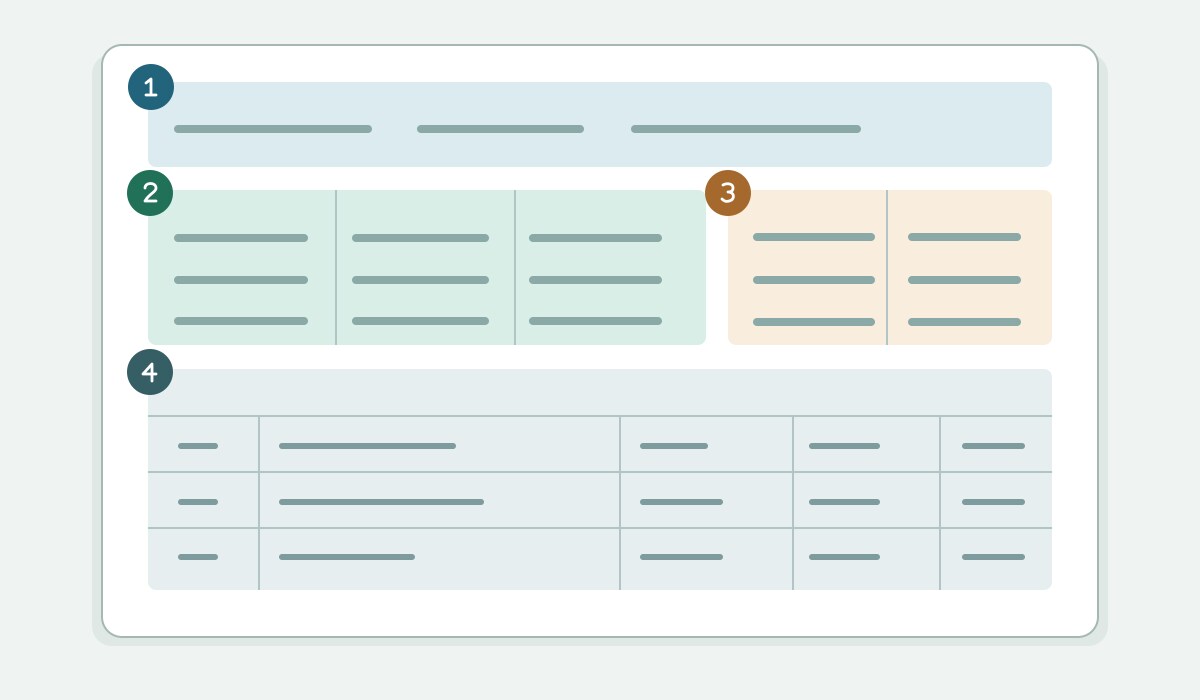
Start at the header. Note the customs declaration number, relevant dates, the mainland consignor and the firm responsible for declaring the goods, as shown. Record the contract or transport references where they help establish which shipment the declaration covers. A later query timestamp belongs to your evidence of when the record was checked. It should be recorded separately from the dates shown in the declaration.
Read the role labels in Chinese if you are working from a translated copy. 境内发货人 identifies the domestic consignor. 生产销售单位 identifies the domestic production or sales entity reported for the export goods. 申报单位 identifies the declaring entity. The three fields can legitimately carry different names. A manufacturer may supply goods for a trading company, which in turn authorizes a customs broker to submit the declaration. Obtain the explanation and supporting documents for those roles if you expected one company to handle all of them. China Customs declaration completion announcement.
Then use the lines, not just the total in the header. Compare the goods description and specification, commodity codes, quantities and applicable units against the commercial invoice and packing list. Some lines report more than one unit of measure. What a manufacturer sells by carton might be reported in pieces or by weight for a particular field. Ask for the conversion or packing breakdown from the logistics team. For a classification difference between the Chinese declaration and the destination entry, give both entries and the item specification to the broker before attempting to infer a simple transcription error.
Check all pages of the provided printout if the shipment has several product lines. A cover page or screenshot may show the header while the precise item you need is on a later page. For equipment sent in kits, match a goods line to the applicable packing references before deciding that a missing marketing model number means the goods were omitted. Where consolidated or specialized customs procedures are involved, have the broker explain which records connect the particular shipment to the declaration. China Customs goods declaration service guide.
Submission, acceptance and release
Ask for an exact stage instead of treating every copy of the same declaration as equivalent. A supplier may send a pre-entry worksheet to confirm spelling or goods data before submission. The broker may later send the declaration accepted by Customs. If your team is checking whether the goods were cleared for release, ask for the current result or an event record and confirm that it carries the same number. China Customs distinguishes electronic submission from acceptance and specifies that if data is returned and resubmitted, the declaration date follows acceptance of the resubmitted data. China Customs rules on import and export declarations.
Release and actual movement belong in separate columns of a shipment review. Even when a declaration was released, plans can change. China’s rules provide a procedure for eligible amendments or cancellations after acceptance, including specified cases where the goods are fully or partly pulled from the shipment or the means of transport changes after release. Compare the declaration status and version with the latest carrier or loading evidence. If the two disagree, ask the declarant to reconcile the difference through the appropriate customs procedure. A PDF edited in an office cannot substitute for an amendment in the official record.
If the carrier reports that the goods were loaded, keep the carrier’s evidence alongside the declaration. If the buyer also needs preferential origin for the destination claim, verify the applicable proof of origin separately. The comparison of Chinese origin certificates and export declarations explains the different jobs of those documents. For a bank or customer dispute, confirm the precise evidence they accept before relying on a single screenshot.
Three common review outcomes
Same shipment, different business roles. The supplier on your order and the consignor on the declaration can be different companies. If the supplier explains that it sells through an export agent, ask for the legal names and the role of each party in the order. Use the invoice, agency evidence, or contract and logistics records available to your team to establish how the goods moved between them. Confirm the relationship through a contact you already know when another party appears unexpectedly. Identifying a genuine company in the registry still leaves its involvement in this particular shipment to be shown.
Same number, different document versions. Two suppliers or teams may be looking at copies produced at different points in the process. Ask the declarant to identify which version the account currently shows, what changed and when it changed. If a reference changed following cancellation or resubmission, ask for the link between the old and new records. Keep the superseded copy with its proper label if it explains a shipping instruction or another document. For the current decision, use the accepted version and the corresponding export evidence.
Different number, same order. One order may be split across transport bookings, or a broker may need to explain a consolidated shipment. Match by goods lines and transport references before assuming that an unfamiliar number is an error. The broker can often identify which declaration covers each loading event using the booking, invoice and packing list. A reviewer can then state exactly which part of the order is covered and which needs evidence. If an expected line remains unaccounted for, request that line and its shipment reference, rather than requesting the same PDF again.
A changed shipment example
Suppose a Chinese trading company sells a batch of parts produced by another mainland company. The seller invoices the order, then a broker enters the selected goods and shipment information. Before the ship sails, some cartons are moved to a later booking. The vendor forwards the original declaration printout, while the latest packing list shows fewer cartons on the first vessel. The discrepancy could have an ordinary logistics explanation, but the printout alone cannot tell you what was filed after the change.
- Identify the parties. Match the legal names and company codes available for the consignor, production or sales entity and declarant. Confirm the broker was authorized to handle the entry for this seller or exporter.
- Confirm the current entry. Ask the authorized broker for the latest account-side copy and state of the declaration. Request an explanation of any changed reference, updated line or amendment, with the status and date of the underlying record.
- Match the shipped goods. Compare the affected lines, quantities and units with the updated packing list and carrier record. Mark the cartons planned for the later shipment separately and request the records for that shipment when available.
Record the result at the level of the shipment. For example, an internal note can say that the latest declaration has been matched to the first consignment and that evidence for the remaining cartons is still pending. This is more useful than marking the whole purchase order cleared based on a document prepared before the split.
A clear evidence request
Please send the current China export declaration for [shipment reference], retrieved from the Single Window, and confirm the declaration number and latest customs status. We need to match the domestic consignor, production or sales entity and declarant with our shipment file. Please identify the goods lines for [items] and provide the revised record if anything changed after the initial filing.
When a name is unclear, check the registered mainland company using its Chinese legal name or Unified Social Credit Code. The China company search can help identify the entity behind a field. For another check, the Chinese customs registration guide covers the company’s customs registration. Company identity and customs registration are helpful background. A shipment-specific claim still needs the declaration and supporting shipment records.
Close the review by saving the declaration reference, current version, status and date, the identity of the party who retrieved it, and the transport and invoice references you matched. If a material link is unresolved, say exactly what the buyer still needs. A note identifying one missing goods line or latest release result can be acted on quickly by the exporter. A message that the documents “do not look right” leaves the broker to guess which part of the shipment file to investigate.