
China Company Patent Search
Search CNIPA by a Chinese company name or patent number. Compare the applicant, grant record and latest recorded patent holder before relying on a supplier’s claim.
Start with the Chinese legal name or USCC. Confirm the matching company before opening its profile.
To check a Chinese supplier’s patent claim, use the company’s full registered Chinese name or the patent number it provided to find the record at the China National Intellectual Property Administration (CNIPA). Open the individual document and check the role and date beside each name. An applicant at publication, a holder named in the grant and a holder in a later register entry can be different. If the order depends on a licence or a promise of exclusivity, ask for the rights evidence applicable to the product and the deal.
Start by writing down the supplier’s exact claim. “We filed this application,” “we hold this patent” and “our factory can make the patented component for you” call for different documents. Record the model, part or design the supplier associates with the number. This lets you check the patent and the company without treating a portfolio count or a logo in a brochure as evidence for the particular order.
The company name to search
Get the mainland company’s exact Chinese name and Unified Social Credit Code (USCC) from its business license or current registration. Use China company search to compare the company’s registration with the seller in the quotation or order. Record the name exactly and keep the code in the company file. Use the name for the CNIPA applicant or patentee query. If the contact says the patent belongs to a factory, a parent company or a research partner, obtain that entity’s own name. A supplier’s English trading name can help identify it in the purchasing file, while the registered Chinese name is the better search input.
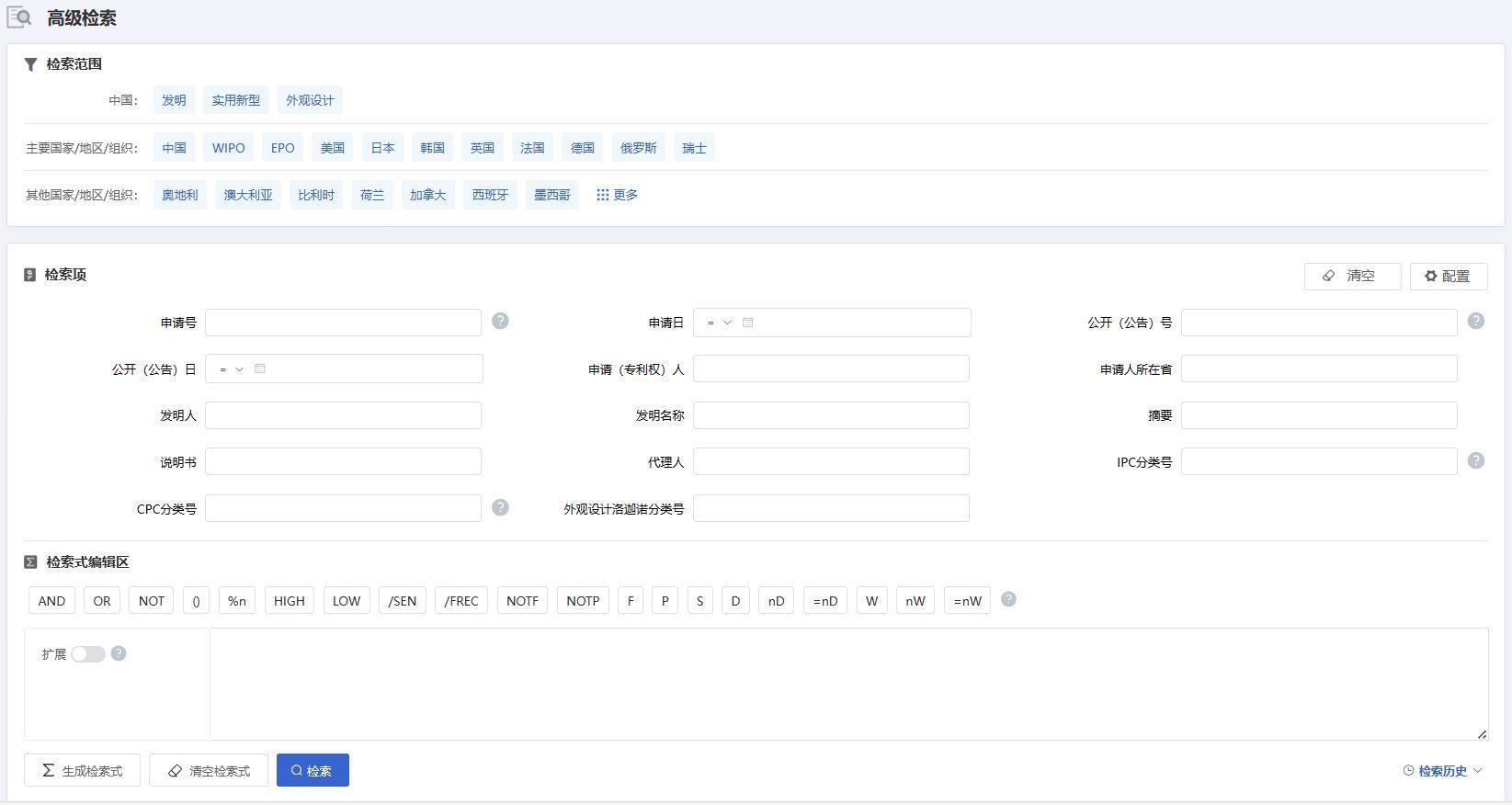
Start at the CNIPA public services portal and use the Patent Search and Analysis System’s advanced search. CNIPA’s search guidance identifies the field 申请(专利权)人 for an applicant or patent holder. For a China search, check the search scope and include the relevant invention, utility model or design categories. Enter the full Chinese name before adding date or title filters. If the results are broad, use the claimed product or approximate filing period to narrow them. Record the filters so you can reproduce the result.
Search a former name separately if the company provides dated evidence of a rename. Keep the earlier and current names together with the registration evidence connecting them. Search a group member separately under its own name. A change of spelling, a name change under the same USCC and a transfer to a separate registered company are different events. The company record can clarify the names. The patent documents and register show which name was recorded for the application or right.
The number on the document
If the supplier gives you a number, copy it as printed and record its label. Keep the prefix, any punctuation and the ending in your notes. The same invention application can appear as an application number and in separate publication and grant documents with their own identifiers. Enter an application number under 申请号 or a document number under 公开(公告)号 as appropriate. Use CNIPA’s guide for permitted input formats. If a shortened number gives several results, ask for the full number and its source document before choosing one.
Open the individual result and compare its title, application number, document kind, date and company names. Keep those values together with the saved document. If the supplier sent a certificate from another jurisdiction or an international application reference, ask for the corresponding Chinese filing or grant number when the claim concerns China. A family tab can give you related filings to investigate. Check each jurisdiction’s own records for a claim there.
When a quotation lists several numbers for one product, ask the seller for a short mapping from each number to the part, feature or design revision it is citing. For example, a patent for a locking mechanism and a design patent for an enclosure may refer to different parts of the same assembly. Save the supplier’s mapping alongside the records you find. If a number in a catalogue belongs to an earlier model, ask which document the supplier is relying on for the model in the current order. This gives the reviewer a specific product and document to compare.
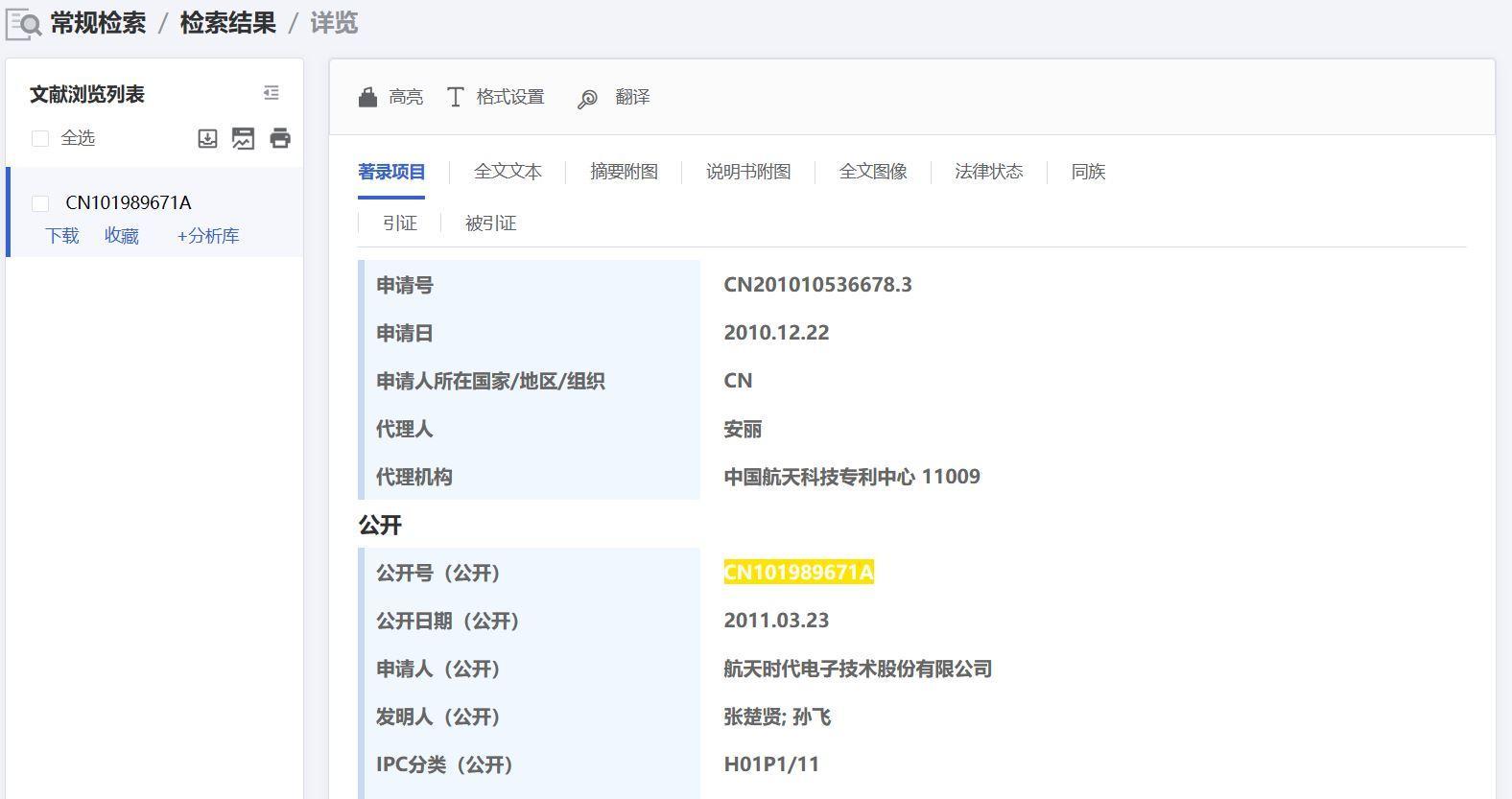
CN101989671A in the publication section. The 申请人(公开) line records the applicant at publication. The image illustrates how to read an earlier record. CNIPA patent document number search guide, PDF page 38Publication, grant and subsequent status
Read the publication and grant entries by date. Article 34 of the PRC Patent Law provides for publication of qualifying invention applications following preliminary examination, generally 18 months after filing, with earlier publication possible on request. Articles 39 and 40 address grant and announcement for inventions, utility models and designs. Under those provisions, the patent right begins on the date of the grant announcement. Record which event you actually found. Where the search shows only a published application, ask for the grant announcement or latest application status if the supplier claims a granted patent. PRC Patent Law
| Record | Detail to save | Follow-up when it matters |
|---|---|---|
| Application publication | Application number, publication number and date, and the applicant named at that event. | Check for a separate grant announcement or a later change affecting the application. |
| Grant announcement or certificate | Grant announcement number and date, and the named patentee at grant. | Check for later changes to the holder or legal status. |
| Legal status and patent register | The reported event, date, entity and underlying record. Include the date of your check or the issue date of a register copy. | Obtain the appropriate CNIPA record where a present right or a recent change is material to the order. |
Review the legal-status information after locating the right document. Read the date and kind of each entry. A transfer, change of name, termination or restoration can matter even if a certificate remains in the supplier’s file. CNIPA cautions that public search and gazette information may lag changes. Its guidance explains that post-grant status changes are recorded in the patent register. If you need evidence of the current recorded holder or status of a granted patent, request a recent copy of the register through the applicable CNIPA service or ask the supplier or right holder for one. Compare its issue date with the date of your decision. CNIPA on searching Chinese patent legal status · CNIPA guidance on copies of the patent register
Record a missing result with the name or number you used, categories, filters and date. Check the full number, Chinese characters, former name and whether the filing is already public. A search by name can miss an application still awaiting publication or a document recorded under another party. If the supplier claims an unpublished filing, ask for the available filing evidence and mark the scope of what you could verify. If you have only a similar title or a similar company name, keep it as a candidate until you can match the number and the parties.
Transfers and permission for the order
Article 10 of the PRC Patent Law requires a written contract and registration for a transfer of an application right or a patent right. The transfer takes effect on registration. If the supplier shows a signed assignment, ask for the corresponding registration and date. If the holder’s name differs across documents, check whether that reflects a registered name change or a transfer to another party. Get a dated company change record to explain a rename and the patent transfer record for a reported assignment.
For a licence, ask the seller to identify the licensor, licensee and patent number in the actual agreement. Check which models or activities it covers, the territory and term, and whether it allows the factory or another party to do the work proposed. Under Article 12, a licensee cannot permit parties outside those provided for in the agreement to exploit the patent. If there are co-owners, Article 14 gives priority to their agreement and sets default rules in its absence, including individual practice or ordinary licensing and a general requirement of consent for other exercises of the shared right. Have counsel assess the particular agreement and scope before relying on exclusivity, a sublicense or permission for another factory.
An old certificate in a tooling order
Suppose a buyer is about to order tooling for a locking mechanism from a mainland trading company. Its quote says the group owns the patent. The seller sends a publication page, a certificate in its factory affiliate’s name and a letter permitting the seller to distribute one product model. The buyer checks that the application identifier on the publication corresponds to the grant and records the factory’s legal name separately from the trader’s. The documents support the factory’s recorded role at grant. The buyer requests a recent register copy because the seller mentions an assignment completed after the certificate was issued.
Assume the register copy names a different group company after the transfer. The buyer records the registration date and asks which company can authorize the new tooling order. The old distribution letter covers an existing model. The buyer asks for the agreement or holder’s written confirmation that addresses the new model, the proposed factory’s manufacturing role, and the proposed markets. Procurement can then pass the specific rights question and the proposed order to its reviewer. The documents are more precise than an assertion about who in the group owns the technology.
For a technical claim, attach the supplier’s product description and the patent document being cited. A title or an abstract can help locate a document. If coverage is material, the reviewer needs the relevant claims or, for a design, the drawings or photographs and other supporting material. Article 64 sets out how the scope of protection is determined for China’s patent categories. A buyer’s search for one patent can substantiate a specific representation about that record. A review of third-party rights in the intended market is a separate task.
The patent record for the purchase file
Save the exact claim, seller, factory or other entity named, the identifier and document type, the relevant event dates and the evidence for the holder at the time you checked. For a claimed licence, add the parties and the specific product, activity and market that require confirmation. A short note such as “grant found, registered holder confirmed from the dated register, permission for the proposed factory requested” tells the approver what the evidence covers. Preserve the CNIPA document and relevant supplier evidence with the purchase file so the next reviewer can tell which decision depended on which record.