
Chinese Certificates of Origin and Import Declarations
Compare a Chinese origin certificate with an import declaration, using product lines and HS codes to explain differences before customs entry.
Start with the Chinese legal name or USCC. Confirm the matching company before opening its profile.

A Chinese exporter sends a certificate of origin for your shipment. Your broker drafts the import declaration and notices that its item code looks different. Start by comparing one product at a time. A certificate may show a six-digit Harmonized System (HS) code while the import declaration adds domestic digits. A difference within the first six digits deserves a different check.
Use the exact goods, agreement, tariff version and intended destination. This keeps a formatting issue from being mistaken for the wrong classification and a classification issue from being waved through as a formatting difference. The aim is to give the broker a set of documents it can reconcile before it relies on the origin proof.
Start with the shipment line
Open the origin proof and the draft import entry beside the final commercial invoice and packing records. Pick one invoice line that you can identify by description, model and quantity. Find it on the origin proof and ask the broker how it mapped that line on the import entry. A certificate may group goods differently from an invoice or an entry. Matching the first row of every document can fail when each uses a different order or level of detail.
Record the exporter and manufacturer as shown, if the form has those fields. The supplier you pay may be a trading company, and the export certificate may identify a different party with an export or production role. Document the relationship where the difference matters. Make the shipment comparison before you interpret the code. The right code on an unrelated invoice does not solve an origin-document mismatch.
Capture the origin proof type, its number, the commercial invoice reference, the country of import and the agreement if one is being used. Have the broker identify which line or declarations are supported by that proof. When a certificate includes several products, keep a line-level map rather than attaching a single note to all of them.
The shared digits
The World Customs Organization describes the HS as an internationally standardized nomenclature with six-digit subheadings. A country or customs union can add more digits for its domestic tariff lines. Your supplier might send a longer Chinese export code and your importer might use a differently extended destination code. Keep the exact codes in your notes and ask the broker whether the first six digits refer to the same HS edition and the same product. World Customs Organization HS guidance
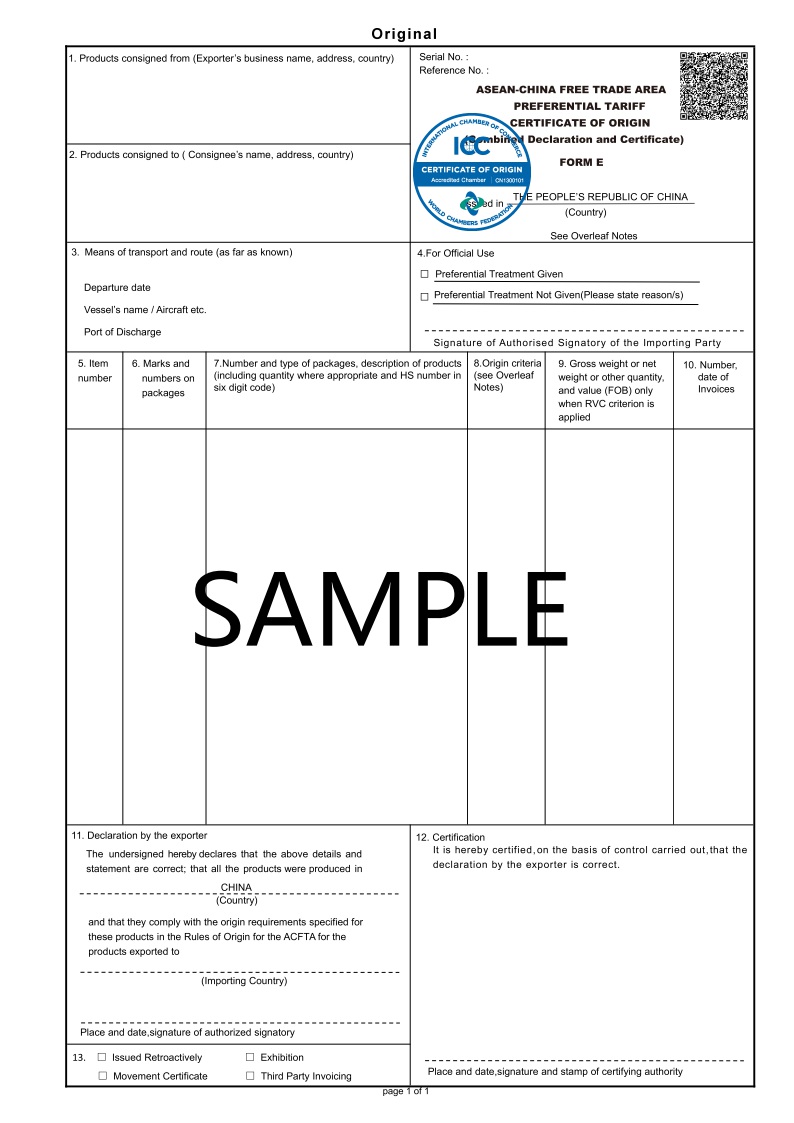
The way the code is written depends on the proof. Some forms put it beside the description, and some display it in a separate column. Read the completion instructions for the actual agreement and form. For example, RCEP guidance identifies the HS code as part of the information used in the certificate. The agreement rules also determine what proof the importer can use. Wuhan trade authority’s RCEP form guidance · China Customs RCEP origin measures
Three patterns to distinguish
Only the domestic suffix differs
If the six-digit part agrees, the remaining digits may simply belong to different national tariff schedules. Ask the broker to confirm the specific destination line and whether the certificate is completed at the level required by the agreement. Save the six-digit comparison and each full national code, along with where it came from. The matching prefix helps explain the difference. The product description and origin rule still need to support the claim.
The six-digit subheading differs
Ask both sides which product specification they used. A supplier may have treated a part as a finished product, used the spec for a different model, or reused data from the previous shipment. The importer may have more specific evidence or a classification decision that needs to be reconciled with the certificate. Share the product description and technical features that affect classification, and ask the broker to identify the difference. Do not select a code simply because it matches the certificate.
The HS edition differs
An importing tariff schedule and a trade agreement’s product-specific rules can refer to different HS editions. A new edition can split a subheading or move goods to another number. When the product identity agrees but the code changed between editions, ask the broker to confirm the mapping for the exact goods and the rule that applies. Save both editions and codes with the explanation. Ask the exporter whether the proof needs a formal change, using the procedure for that issuer and agreement.
One shipment with two products
Consider an illustrative shipment of a finished metal fitting and a spare mounting bracket. The invoice has a separate line for each. The exporter sends one certificate that names both, and the broker drafts two import lines. The finished fitting appears under the same six-digit subheading on both records, with additional digits on the import entry. The spare has a genuinely different six-digit code.
Handle the two lines separately. For the fitting, ask the broker to confirm the destination extension and whether the certificate is already in the required format. For the bracket, identify the model and function and confirm whether the code is based on the same technical facts and HS edition. The supplier’s sales team can provide the commercial invoice and packing breakdown. A classification explanation may need the product specification, drawing or information from the manufacturer.
If the classification disagreement affects the origin criterion or the available tariff preference, leave the affected line pending until the broker confirms the treatment. One explainable difference on the fitting does not resolve the bracket. If both can be supported, note the evidence separately for each. That makes it easier to answer a later question about which goods actually received the claimed treatment.
Evidence behind the code
When the broker asks why the exporter used a different code, send it enough of the specification to identify the goods. A photograph can help distinguish a finished item from a bag of parts. A drawing or data sheet can explain what the part does and what it is made of. Use the version for the purchased model. A brochure covering several grades may support marketing claims while leaving the classification question unanswered.
Check the commercial description against what was actually shipped. Sometimes an order includes spare parts, accessories, or samples packed together with the main product. The invoice might use one familiar trade name even though several lines are needed for the customs treatment. If the exporter groups the items under one certificate line, ask the broker what the agreement permits and whether the proof describes the goods well enough for those import lines.
Use a short reconciliation note per line. Keep the actual values from both documents as they appear. Then write the reason for the difference and who confirmed it. A useful line could read: “Bracket accessory, invoice item B. Certificate describes a spare part. Entry draft treated the item as a finished fitting. Waiting for the broker to review the drawing and confirm the classification before the preference claim.” A later reviewer can then see the reason for holding that particular line.
Quantity and document periods
When a proof and import declaration have different quantities, check whether the goods were split between declarations or if a portion has not yet arrived. Compare quantities in the same unit and keep the dates and entry references. Confirm with the broker whether the proof can support multiple entries under the applicable rules, including whatever procedure is needed to account for the quantity already used. A shared purchase order number is not a reason to reuse an origin certificate for unrelated shipments.
Original and amended versions
The code field may have changed because the exporter already requested an amendment. Ask whether the copy you received is the current version and get the issuer’s reference for the change. Check whether the file marked draft was ever issued. Keeping an unissued draft, an original and a later formal replacement under distinct names helps avoid using the wrong version on the import entry.
Two practical entry decisions
If the broker says there is no planned preference claim on the line, ask whether the certificate is still needed for another customs requirement or a commercial request. Keep the reason on file. If a preference is intended and the classification or origin rule remains disputed, have the broker explain which options are available in that destination. Confirm what the supplier needs to correct, the deadline for doing so, and how the buyer should record the decision. The precise difference controls the next action.
The document correction
Once the error is understood, identify which record needs to change. If it is a transcription error in the draft import entry, the broker can explain the appropriate handling for the destination. If the issued origin proof needs correction, ask the exporter to contact the issuing body and follow the applicable agreement and amendment rules. China Customs’ export certificate rules describe formal correction routes and preserve special rules in applicable agreements. An edited attachment from the supplier is not evidence that the issuer changed the official record. China Customs rules on correcting origin certificates
Ask who will send the accepted replacement or corrected version and what will happen to the earlier certificate. Keep enough of both to explain the sequence. Compare the corrected details with the final invoice and the broker’s entry, including any number or date used to reference the proof. If the shipment has already reached customs, ask the broker about the applicable process before assuming the original entry can be amended in the same way as a draft.
The destination authority and the relevant rules govern the outcome. Your supplier can supply evidence about the goods and their origin. It may not be responsible for deciding the importing classification or confirming whether preferential duty was granted. Tell the supplier what part of the file it needs to complete and record what remains with the broker or importer.
The accepted entry record
When your broker closes the issue, request a copy or an approved extract that shows the classification used on the actual entry and the proof reference it used for the relevant line. A draft may have been corrected several times. The final entry can differ from the first comparison you saved. Keep the decision with the final proof version and the product information you gave the broker.
On a repeat order, the earlier decision is a starting point. Ask whether the model, materials, supplier’s manufacturing process, origin arrangement, destination tariff or tariff edition changed. A different attachment with the same name may cover an updated product. Record what you carried forward and what you checked again. That allows the importer to preserve a useful classification history without treating an old shipment as instructions for every future entry.
A broker handover
For each affected line, send the product description, model, quantity and the two codes exactly as shown. Include the HS edition if known, the certificate and invoice references, and the agreement being used. Identify where the difference starts. Ask whether it is a destination extension, an edition mapping or a classification difference, and whether formal correction is needed before claiming preference.
If the issue is a party name rather than a code, verify the company against the role it performs for that shipment. An exporter can differ from the manufacturer. Save the relevant company record but continue the document check with the broker. A useful close-out note tells the next reviewer which lines match, which issuer version was used and which import-entry decision was made. Check the company on a shipment document