
China CCC Certificate Status and What It Means
Check the live status of a China CCC certificate and gather the dates, factory records and batch evidence needed before releasing an order.
Start with the Chinese legal name or USCC. Confirm the matching company before opening its profile.
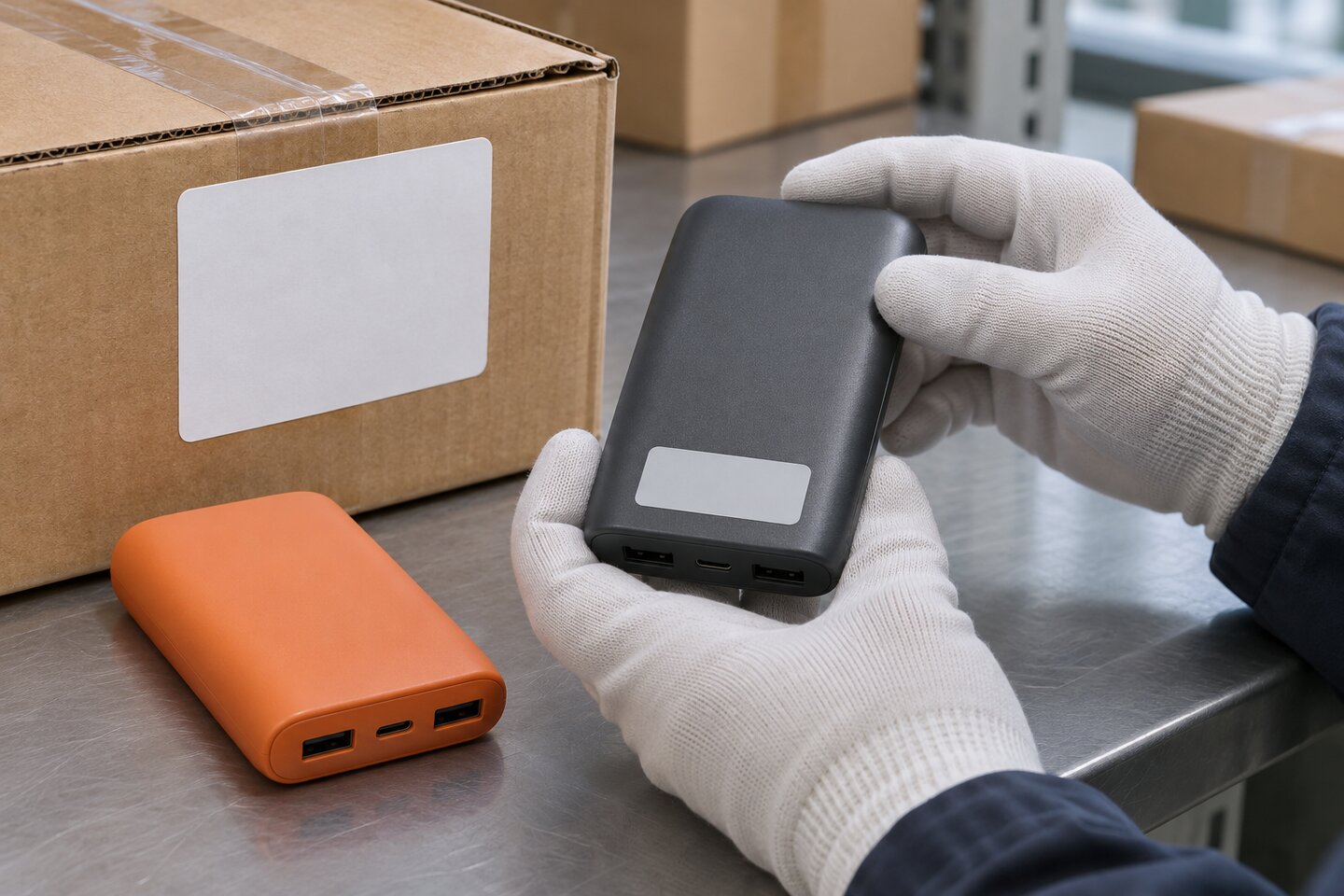
A supplier sends a China Compulsory Certification (CCC) certificate with an expiry date next year. The issuing body's lookup shows the certificate is suspended. For a shipment that requires CCC, work from the current status and the issuer's decision for the relevant model and factory. Keep the shipment on hold while you establish what that decision covers.
CCC is China's compulsory product certification scheme for products in its catalogue. The certificate can change status during its printed validity period. The status tells you whether the certificate can support the transaction at the relevant time. The model annex, factory details and batch records connect that certificate to the goods in front of you. CCC administration provisions.
The live certificate status
Copy the certificate number and the name of the certification body from the supplier's document. Start with the issuer's official lookup and use the national certification information service to cross-check basic certificate details. The issuer is the contact for a dated status decision, scope or discrepancy. Save what each channel shows, including when you checked and the full status label in Chinese if it is available. CNCA online services · SAMR notice on certificate information and validity checks.
Keep the certificate's expiry date, the date of the status decision and your lookup timestamp in separate fields. A current lookup may give you the present status without showing the full history. For a shipment that spans a change, ask the issuer to confirm the applicable dates in writing. When the registry and the issuer's website disagree, save both results and send them to the issuer with the certificate number.
| Status | What to establish | Evidence for the order |
|---|---|---|
| Valid (有效) | The current certificate covers the ordered configuration and production site. | Current certificate and annex matched to the product label and factory. |
| Suspended (暂停) | The certificate is invalid during the suspension. Identify the start date and affected products. | Issuer's suspension notice and its instructions for the batch. |
| Restored after suspension (恢复) | The issuer has restored the certificate after applicable requirements were met. | Dated confirmation of restoration and the scope it covers. |
| Cancelled (注销) | The certificate has ended. Confirm the cancellation date and the position of any goods already released or imported. | Cancellation notice, dated shipment records, and any separate restrictions. |
| Withdrawn (撤销) | The original certificate cannot be restored. Confirm the affected scope and any action for existing stock. | Withdrawal notice and, for future orders, any applicable new valid certificate. |
| Expired (过期) | The printed validity period has elapsed. Check whether an extension or replacement exists and when it took effect. | Current issuer record and documented coverage at the relevant date. |
Suspension, cancellation and withdrawal
Suspension is a period of invalidity. Covered products cannot be released from the factory or imported during that period under the implementation rules. The reason can range from a certification change that has yet to be handled to a surveillance finding that requires corrective work. For goods already released or imported, the certification body assesses potential safety risks in light of the reason. Ask for that assessment or the applicable instructions when your stock is already downstream. Implementation rules, section 5.
Restoration is a decision by the certification body. The supplier may apply during suspension and may have to show that corrective actions meet the body's requirements. A factory's repair report can be part of that process. For your order, get the actual restoration decision and confirm the date, model, factory and batch it covers. If a batch moved during the suspension, ask the body to address that batch and its movement dates explicitly. Implementation rules, section 6.
Cancellation can follow expiry without an extension application, discontinued production or a request by the applicant. The rules stop new factory release or import of covered products from cancellation. Section 4 also addresses products already released or imported and allows continued sale or business use in the circumstances it describes. When assessing existing stock, document the release or import date and check whether a separate recall, product-specific restriction or other instruction applies. A warehouse label showing the manufacturing date leaves the date of factory release unanswered. Implementation rules, section 4.
Withdrawal can follow serious nonconformity or a suspension that was never resolved. Section 7 sets out restrictions for covered products from the date of withdrawal and requires the certification body to assess possible hazards. Article 29 of the administration provisions calls for the certification body to identify the categories and scope of products that fail to meet certification requirements when a certificate is cancelled, suspended or withdrawn. Use that scope to identify affected stock and take any required action. Implementation rules, section 7 · Administration provisions, Article 29.
Expiry calls for a date check even when the supplier says the renewal is underway. Ask whether the issuer extended the current certificate or issued a replacement. Keep the exact version of the annex that goes with the current record. An application receipt only establishes that an application was filed. If the issuer confirms a gap between the old certificate and the replacement, ask about goods that were released or imported during that gap before using the new certificate to close the order.
The shipment evidence
Identify where the goods are now. An order awaiting factory release, goods in transit and stock already imported present different questions. Record the next planned movement and the date each completed event actually happened. A planned dispatch date in a purchase order gives the schedule. Signed warehouse dispatch records, carrier documents and import records provide evidence of specific events.
- Get the full product identifier. Record the model and any suffix, rated specifications and revision on the physical product or packaging. Take a readable image from the actual batch. Compare the exact identifier with the certificate annex and the purchase order.
- Match the production site. Save the factory name and address from the annex and production records. Identify which entity is the certificate holder, manufacturer and production enterprise. Ask for a packing list or batch record that connects the actual factory and lot to the goods.
- Put decisions and movements on one timeline. Record suspension, restoration, cancellation or withdrawal dates as given by the issuer. Place the actual factory release or import dates beside them. Mark missing evidence so the team can ask one precise follow-up question.
If the supplier proposes a certificate with a new number, confirm the number independently, then compare its scope and effective date with the order. A new document may cover current production from a different factory or a revised configuration. Ask the certification body to clarify whether the replacement applies to the goods on hand. An order split between two models may need two separate decisions even when both cartons show the same brand.
When two factories appear in a supplier's documents, work from the production record for the specific lot. A trading company can supply goods from several sites. Match the address on the applicable annex to the site that made the goods and ask the supplier to explain any mismatch. A letter naming the trading company gives you a contact for resolving the discrepancy. The issuer's records establish which site is covered.
Write the decision against the action you are about to take. A purchasing team deciding whether to place a repeat order can ask for the valid certificate and approved site before agreeing to production. A warehouse that already has the goods should identify affected lots and route the issuer's instructions to the inventory owner. If the importer has already made a declaration, keep the documents for that specific import with the compliance file so the team can establish when it occurred and which lot it covered.
The power bank recall example
In September 2025, China's State Administration for Market Regulation discussed a series of power bank recalls and widespread suspensions and withdrawals of CCC certificates for power bank and lithium battery businesses. The briefing reported those actions across multiple companies and products. A buyer checking a particular unit would still need the relevant recall notice and the identifier on the unit. SAMR briefing on industrial product safety.
Use a recall notice to match the model and any lot, serial number or production date range it specifies. Use the certificate lookup and issuer decision to identify certification coverage and status. The two checks may produce different answers for the same order. If a recall is confirmed for part of an order, identify and segregate the affected stock and follow the notice. Keep the certificate issue open separately if the issuer has yet to establish coverage for the remaining goods.
In an illustrative receiving scenario, a shipment contains cartons from two production lots. The supplier gives one certificate number and reports that a suspension has been lifted. The buyer needs the issuer's restoration date and the production and movement records for each lot. If only the later lot can be connected to the confirmed scope, review that lot separately and keep the other one on hold until the issuer addresses it. Treat the batch boundaries on a recall notice as a separate check.
A request for the missing evidence
Send one request tied to the order and the status you saw. Include the lookup date, certificate number and model so the supplier can route it to its certification contact.
We found a status change for the CCC certificate supplied for this order. Please send the issuing body's dated notice, the current certificate and model annex, and the lot and production-site records for these goods. Please confirm which models and lots the decision covers and provide the actual factory release or import dates where applicable. If you are relying on restoration or a replacement certificate, please provide the issuer's confirmation and the date coverage took effect.
If the issue concerns products you have already received, add the delivery reference and any serial range to the message. Ask for the name of the issuer contact and a copy of the instructions that apply to the affected stock. A question about a future order can be narrower. For example, ask whether production at a named site after the restoration date is covered for the exact model on the new purchase order.
Put the reply next to the source documents, with one decision per model or batch. Record the unresolved item in plain terms. For example, the issuer has confirmed restoration but has yet to confirm the earlier batch, or the supplier has provided a new certificate whose factory address differs from the production record. Recheck status before the next shipment when your decision depends on current validity.
When the factory or certificate holder name needs clarification, use business licence verification to compare the registered company details. Keep those findings beside the issuer's certificate evidence. For orders spanning several markets, check the certification requirements for each destination separately. CCC and CE requirements by market.